

Top stories
Finance
Top stories
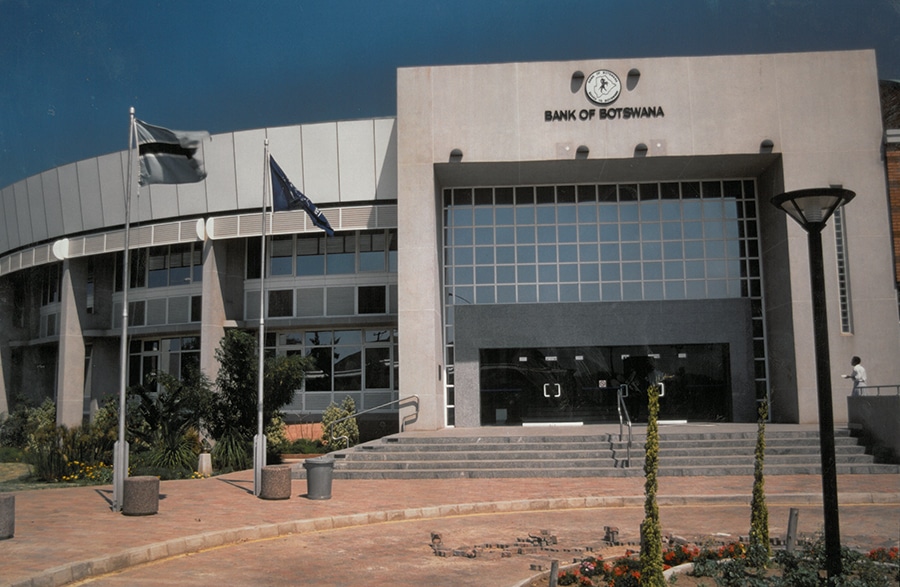
The 160-basis-point increase from 1.9% in August marks a shift in the Bank of Botswana’s monetary stance after more than two years of steady easing.
The directive comes at a time when investor sentiment in Ghana’s equities market is slowly improving after years of economic uncertainty.

Data from Kenya’s Capital Markets Authority (CMA) shows that foreign participation in total equity turnover fell to 28.01% in September 2025, down from 31.28% in August. The last time foreign participation was this low was in August 2010, when it stood at 21.8%.
Nigeria’s subnationals are learning to earn, not just receive. They’re digitising taxes, reforming budgets, and using infrastructure policy to build fiscal resilience beyond Federal allocations.

A practical guide for fintech founders, product leads, and payments operators navigating payment switches in Nigeria

Zimbabwe’s exclusion stems from years of economic shocks, hyperinflation, and currency instability that have eroded the balance sheets of local banks and diminished investor confidence.
Dangote Cement Plc has seen its market capitalisation exceed the ₦11 trillion mark after its share price rose 2.42% to ₦665.0 ($0.46) on Friday, making it the second most valuable company on the NGX after BUA Foods, which is valued at ₦12.5trn ($8.58bn).
Over the past decade, at least ten global banking giants — from Barclays to HSBC — have quit Africa, marking one of the most sweeping foreign retreats from the continent’s financial sector in modern history.
Access Holdings Plc, Nigeria’s biggest banking group by assets, will pay $109.6m (₦179.1bn) to complete the acquisition of National Bank of Kenya (NBK) from KCB Group Plc, according to its latest financial report.

Access Holdings reported a 23.3% decline in after tax profit to ₦215.9bn ($139.1m) in the first half of 2025, from ₦281.3bn ($187.2m) a year earlier, according to its half-year financial statement released on Friday.
Nigeria, South Africa, Mozambique and Burkina Faso have exited the FATF grey list, marking a breakthrough for Africa’s financial credibility and a reset in the continent’s risk premium.
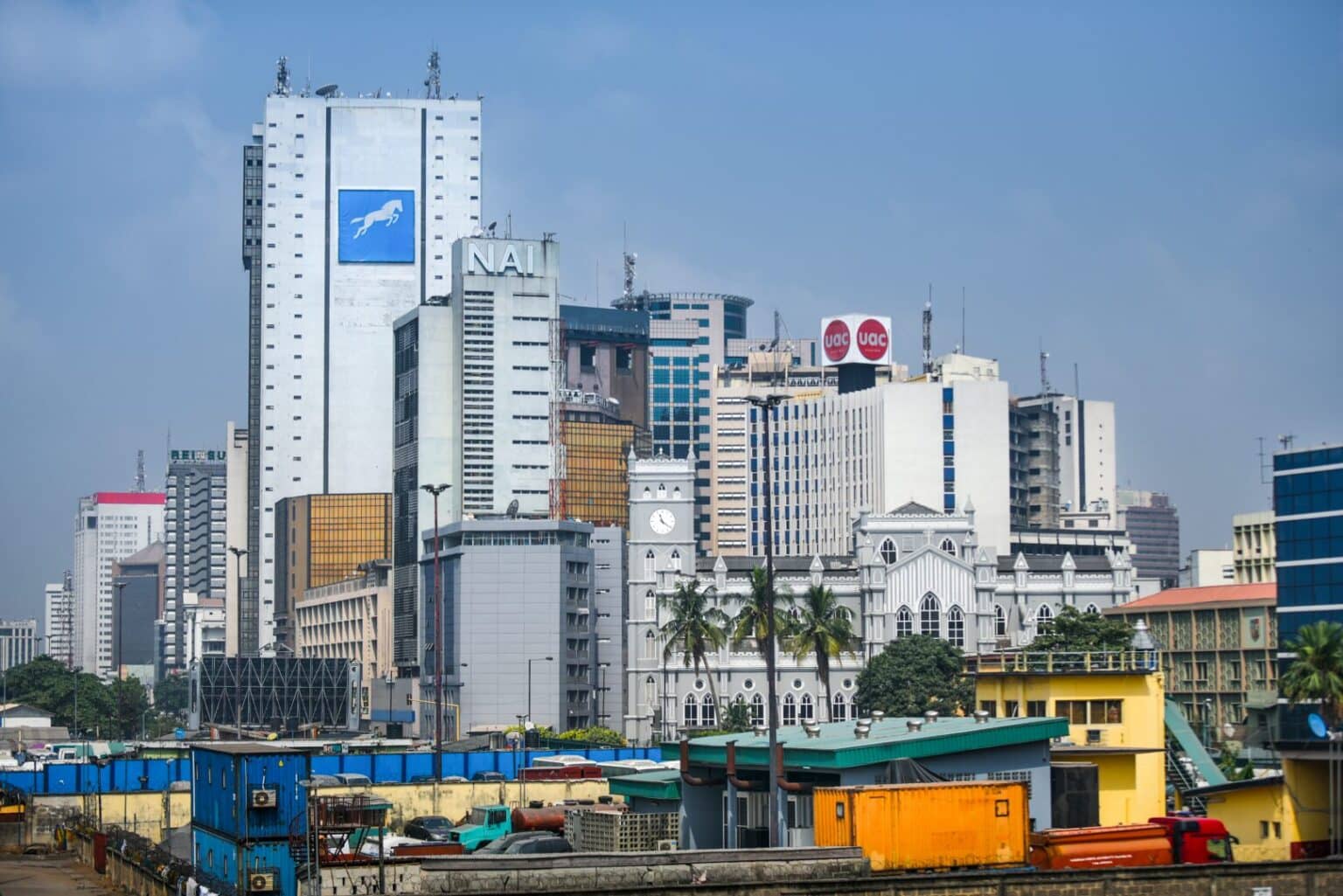
Of the $382.3bn disbursed across the economy, oil took 35.7% — more than the combined allocations to five key non-oil sectors, according to data from the central bank
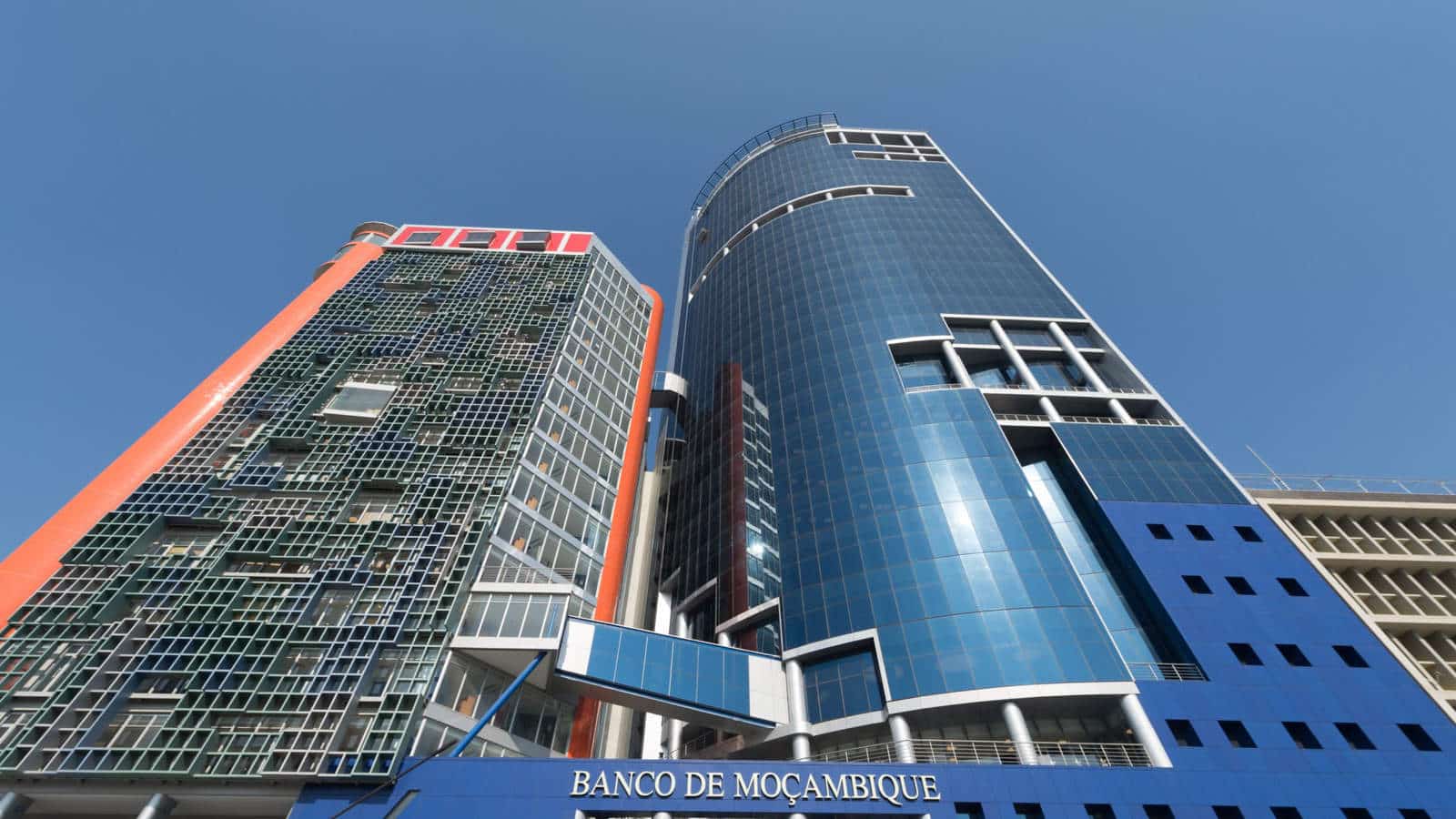
Figures from the Bank of Mozambique show reserves rose by 1.25% month-on-month from $3.99bn in July, covering more than three months of estimated import needs for goods and services.
Eyob Tekalign, the new governor of the National Bank of Ethiopia (NBE), said in an interview with Bloomberg on Wednesday that the public should expect a turnaround.
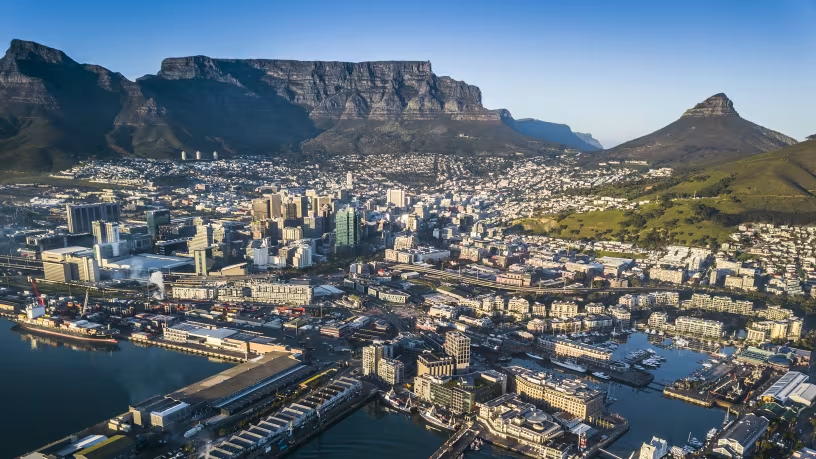
South Africa’s fintech market is projected to reach R337.7bn ($19.5bn) over the next five years, posing a growing threat to the country’s established banks, according to TransUnion’s latest South Africa Research Report.
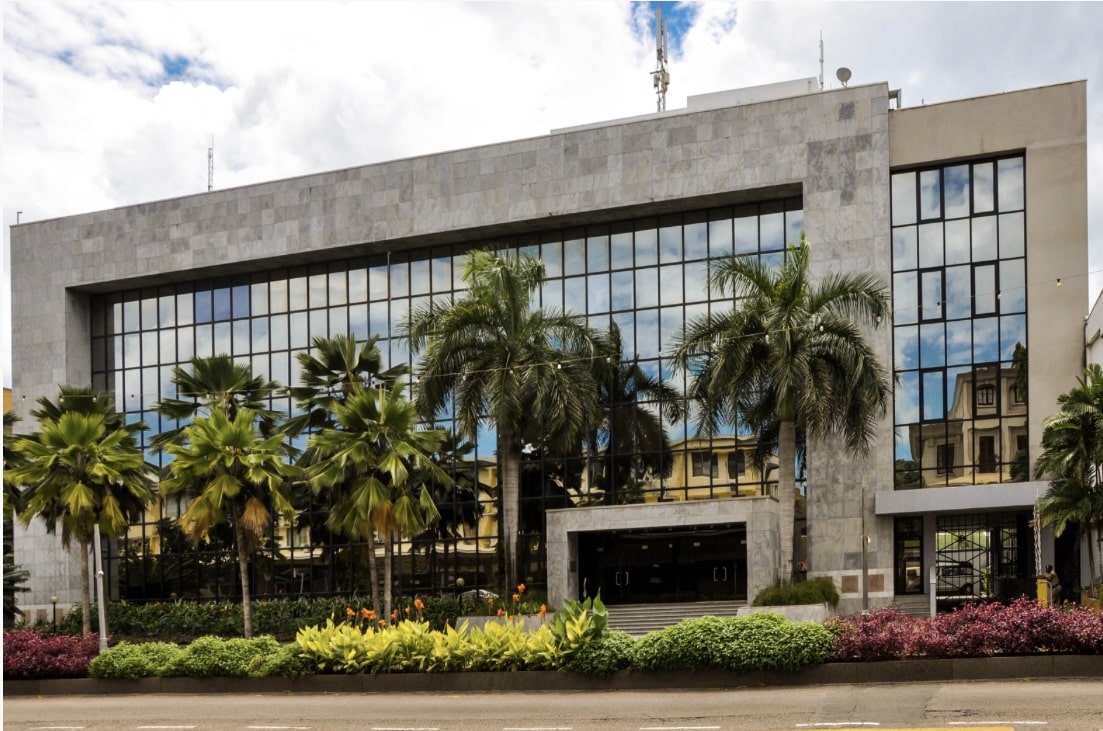
The central banks also moved to ease monetary transmission and spur credit growth by lowering the Minimum Reserve Requirement on rupee-denominated deposits from 13% to 10%, effective October 8.
Across the continent, currency weakness has continued to shape inflation dynamics, import costs, and investor sentiment. For instance, a weaker naira increases import bills and inflationary pressures while signaling economic fragility and lower investor confidence.

The National Pension Commission (PenCom) in September announced that the new regulation applies to Nigerians living and working abroad, as well as employees of foreign companies and international organisations in Nigeria not covered by the Pension Reform Act (PRA) of 2014.
The move comes four months after Ethiopia officially opened its banking industry to foreign investors for the first time in nearly five decades, signaling a cautious but strategic liberalisation of the sector.
The average cost of preparing a pot of jollof rice for a Ghanaian family of five rose in September 2025, despite the country being among Africa’s five strongest currencies that month, according to a new jollof Index.
