

Top stories
Finance
Top stories
While the IMF acknowledges that currency swaps can ease short-term fiscal pressure, it warned that such arrangements can expose countries to new forms of volatility.
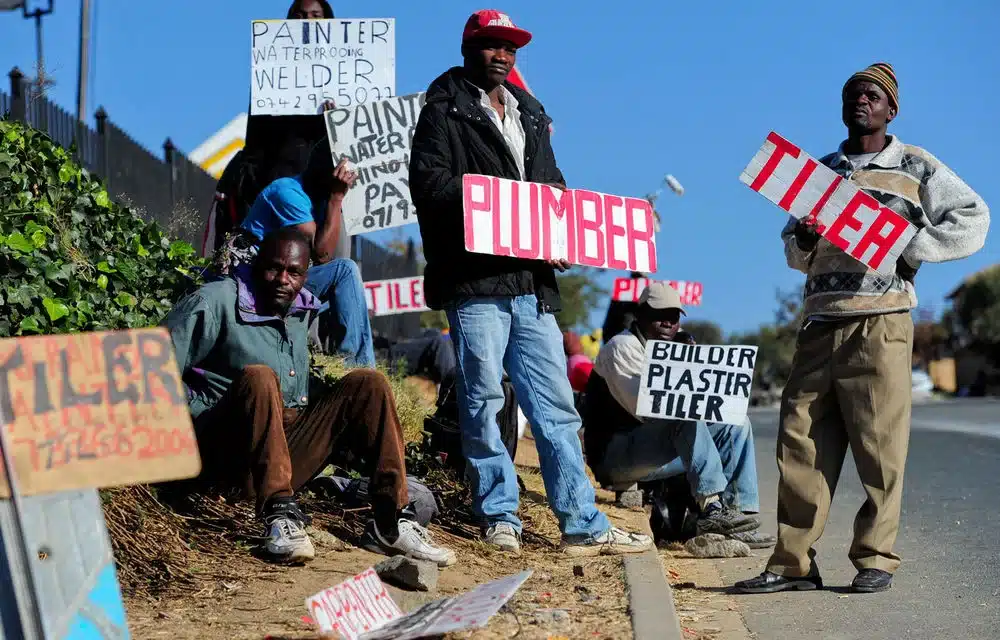
The decline marks a rare relief in South Africa’s prolonged unemployment crisis, which has persisted above 30% since the COVID-19 pandemic in 2020.
The decision comes three days after S&P Global Ratings upgraded the country’s sovereign rating outlook to “positive” from “stable,” citing stronger growth prospects and rising per capita income.
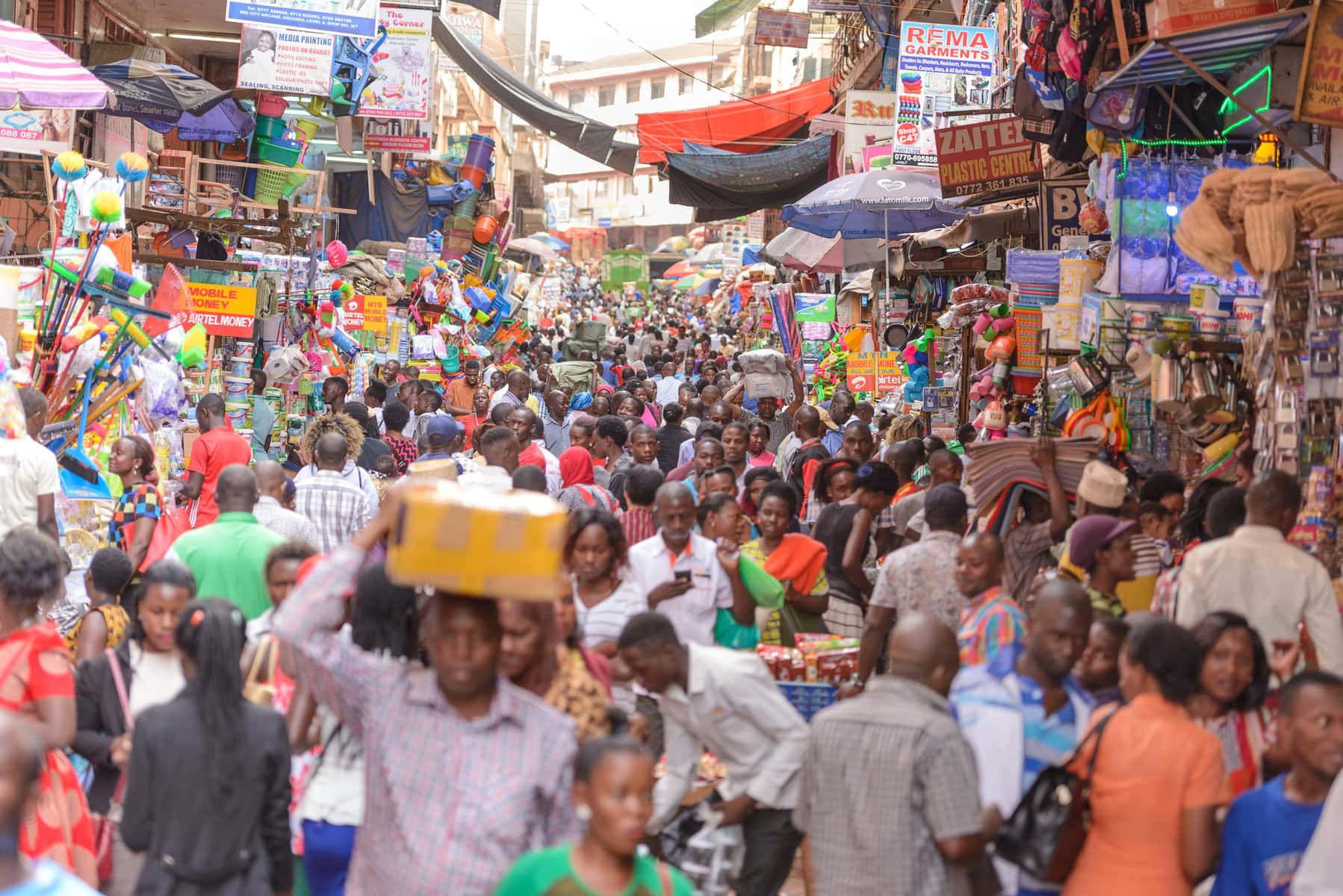
The upgrade reflects Uganda’s stronger growth momentum relative to peers and expectations that major oil developments will begin to come onstream by late 2026.
Business activity across major African economies showed mixed performance in October, with Nigeria recording the strongest expansion while South Africa and Egypt slipped deeper into contraction, according to S&P Global Purchasing Managers’ Index (PMI) data.
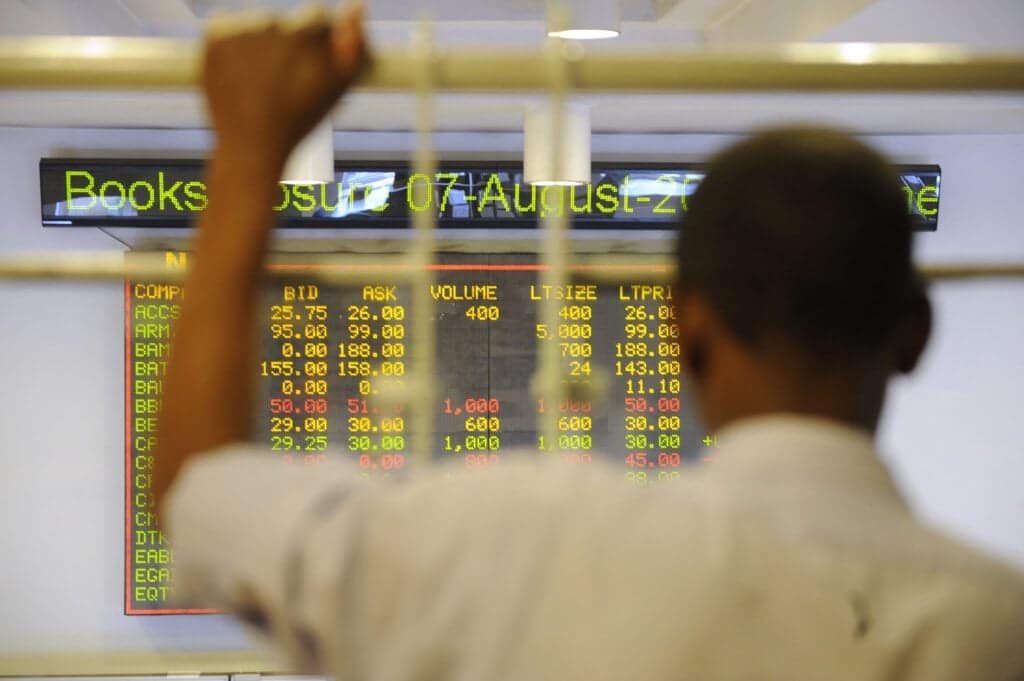
African stock markets regained momentum in the third quarter of 2025, with Nigeria, Kenya, and Morocco among the strongest performers.

Kenya’s private sector activity rose to a six-month high in October 2025, driven by new product launches and increased use of discounts and promotional pricing as firms sought to stimulate demand in a gradually recovering economy.

The survey, which reflects the views of 130 CEOs across Southern, East, and West Africa, shows that 26% intend to allocate more than 20% of their annual budgets to AI adoption. This is nearly double the global average of 14%.
Nigeria’s latest Eurobond issuance could keep the country’s external debt-to-total debt ratio slightly above the Debt Management Office (DMO) threshold of 45% by year-end, according to analysts at CSL Research.

This marks an increase of 192% from the same period in 2024, driven primarily by a narrower loss in its Ethiopian operations and sustained growth in mobile money and data services.

Optasia has become Africa’s first publicly listed fintech, debuting on the Johannesburg Stock Exchange in 2025 and marking a new phase for homegrown digital finance.

Revolut has named ex-Mastercard executive Yacine Faqir as CEO for Morocco, deepening its North Africa push and signalling a shift toward locally led digital banking expansion.
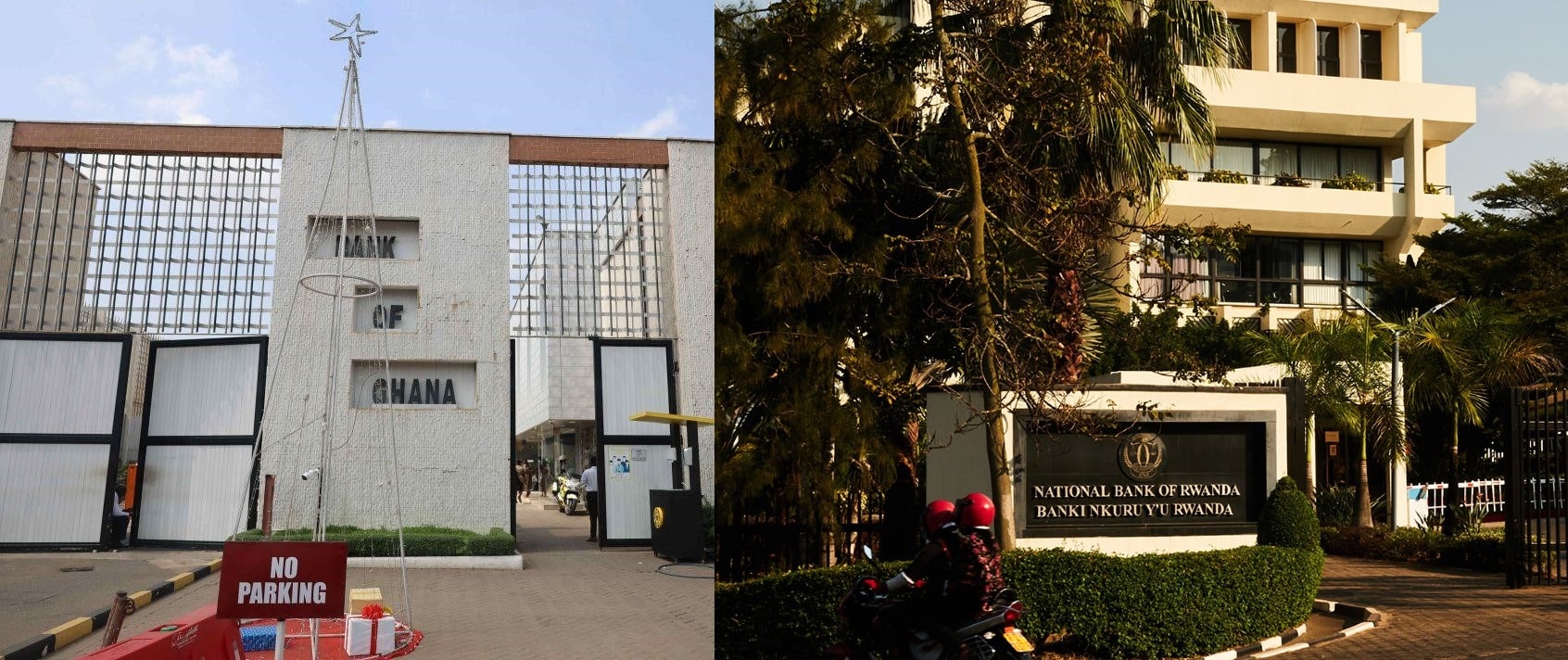
A new fintech passport between Ghana and Rwanda lets startups expand across both markets without relicensing — a real test of Africa’s push for borderless finance.

BUA Cement’s after-tax profit surged by 640.8% year-on-year in Q3 2025 — the highest growth among the top three cement makers. Dangote Cement followed with 149.8%, while Lafarge Africa posted 144.1%.
New data from Africa: The Big Deal shows that start-ups on the continent raised $2.65bn between January and October 2025, up 56% from $1.7bn in the same period last year.
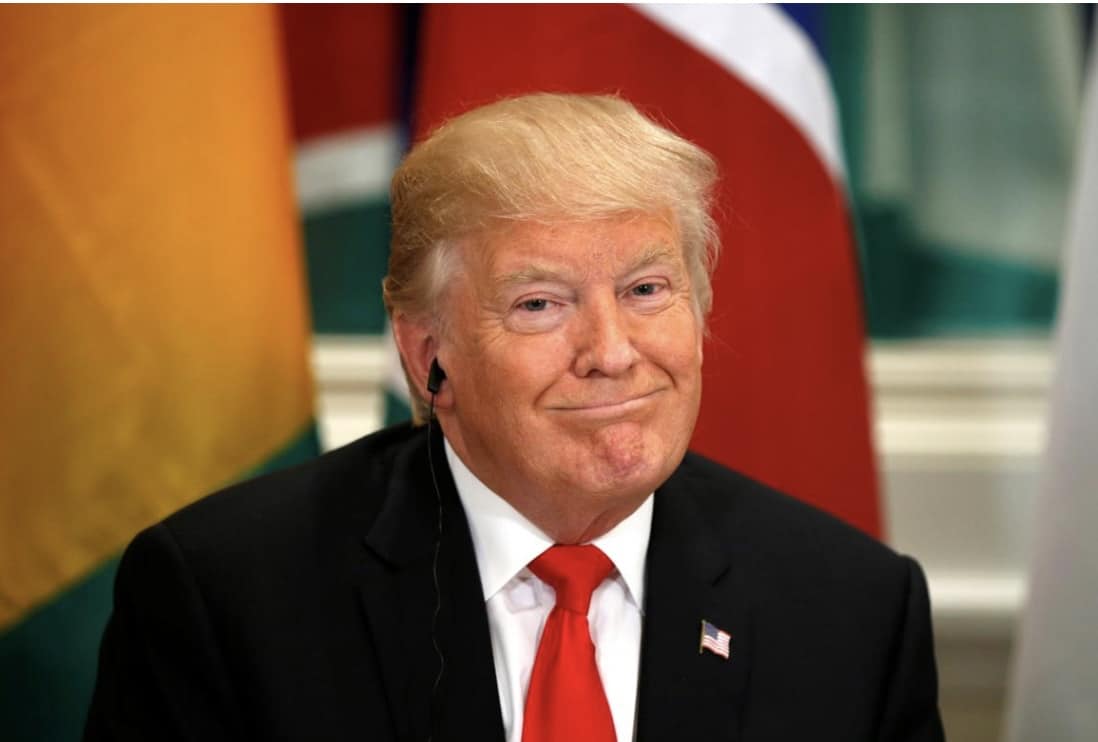
This comes at a time when President Bola Tinubu has introduced sweeping reforms since assuming office in May 2023 to boost investor confidence in Nigeria and achieve his $1trn GDP target by 2030.
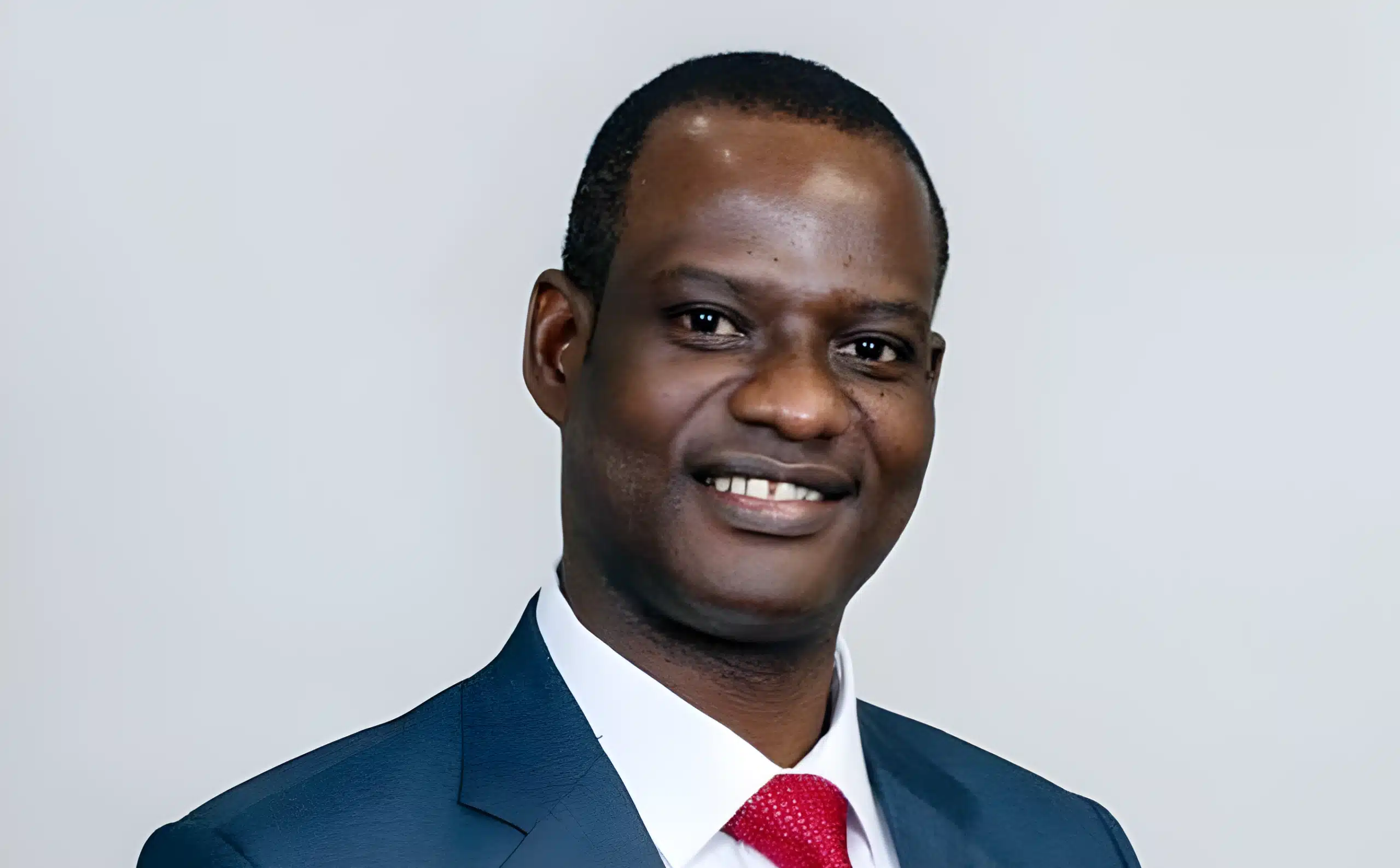
The exemptions and reliefs—announced by Taiwo Oyedele, Chairman of the Presidential Fiscal Policy and Tax Reforms Committee, on Monday—represent one of Nigeria’s most comprehensive efforts to simplify taxation, promote equity, and encourage compliance.
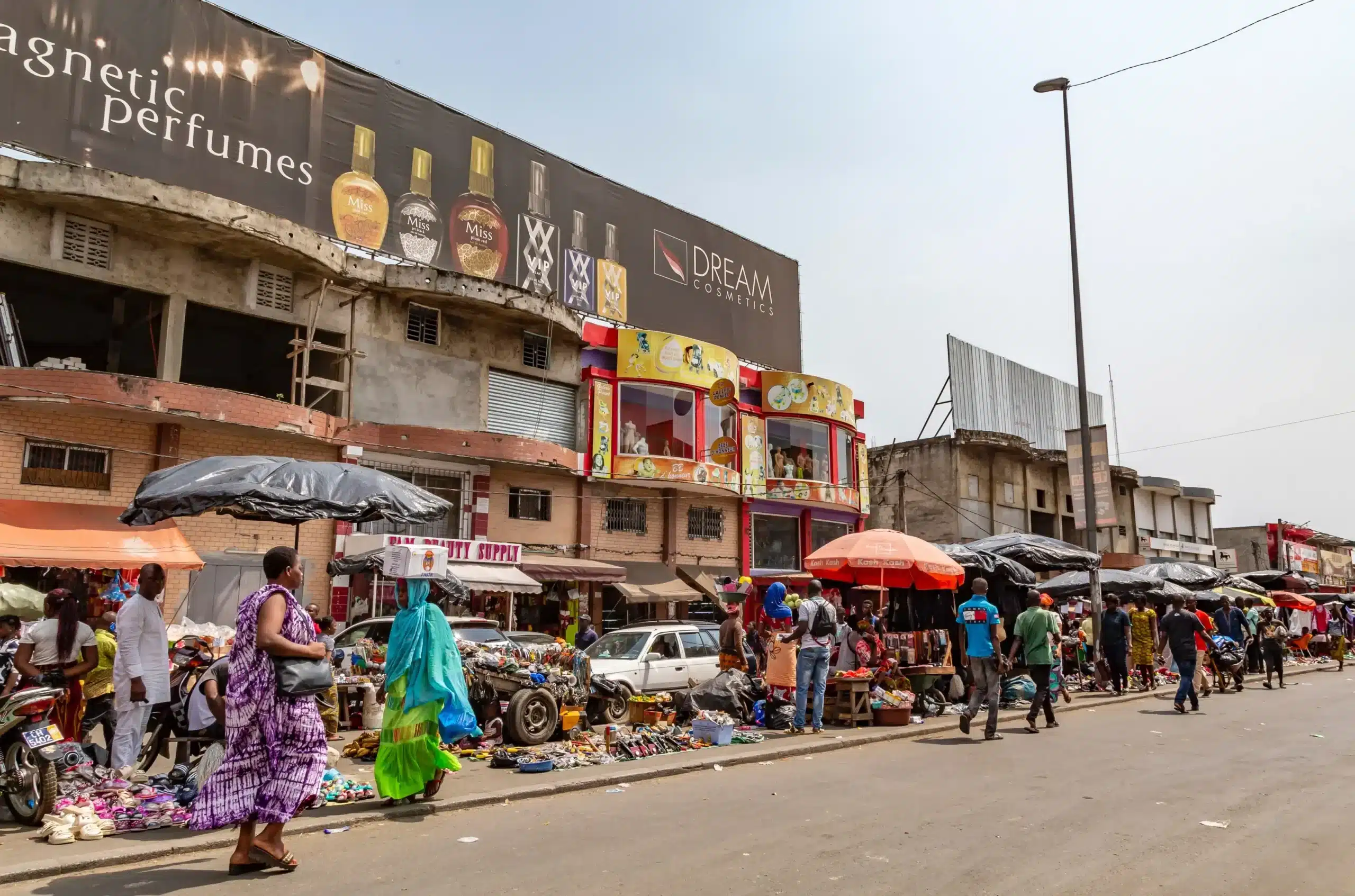
According to the latest ‘Where to Invest in Africa’ report by Rand Merchant Bank (RMB), the country climbed eight places — from 16th to eighth position — among 31 African economies assessed.
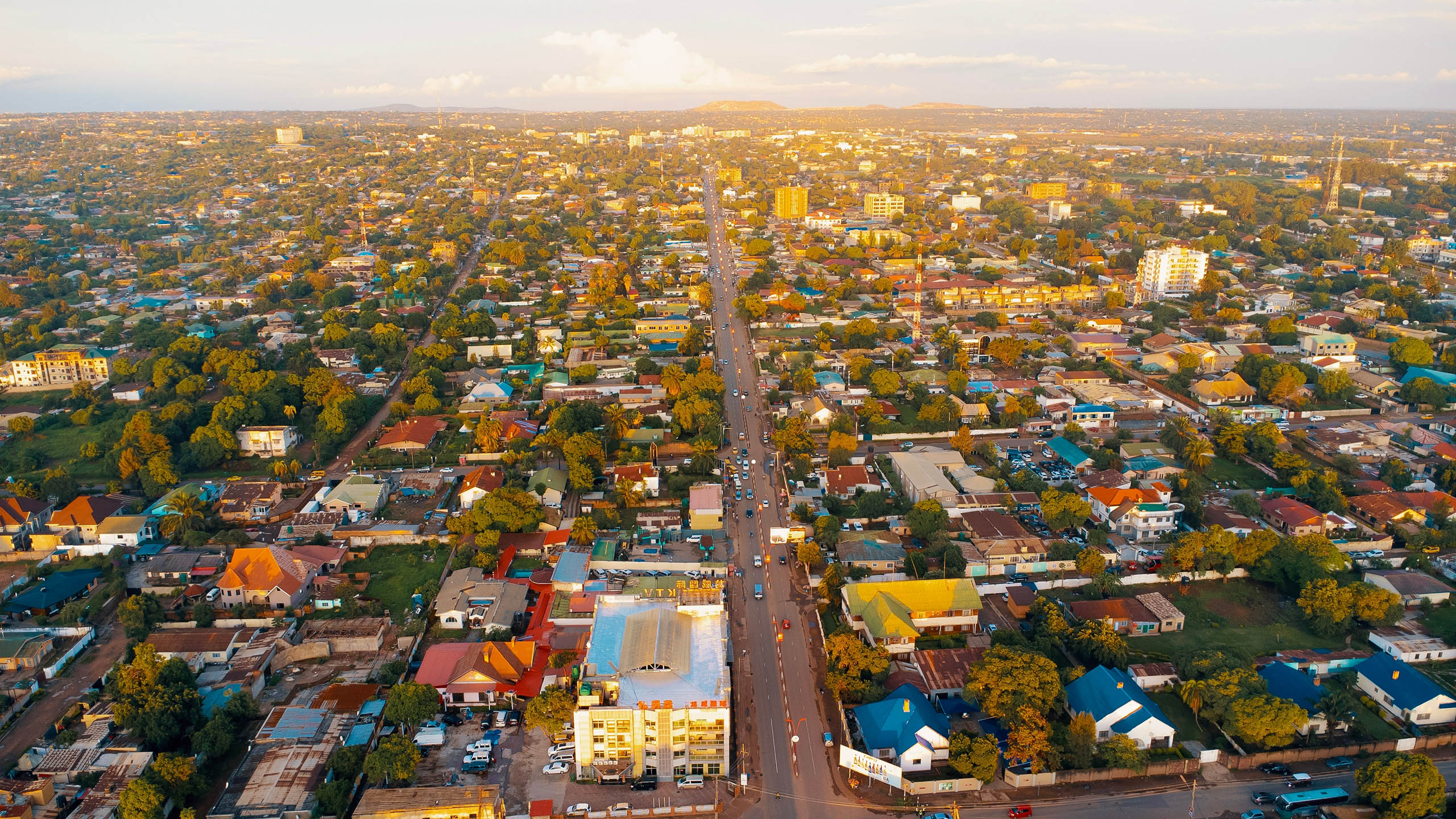
From Nigeria’s Access Holdings and FirstHoldCo to Togo’s Ecobank, Kenya’s Equity Group and KCB, and Tanzania’s CRDB Bank, regional lenders are deepening their footprint in the vast Central African nation — long viewed as too risky for large-scale banking operations.
The conglomerate completed the acquisition of a 100% equity stake in C.H.I. Limited on October 3, 2025, making the beverage and dairy firm a wholly owned subsidiary.
