Key Takeaways:
- South Africa’s central bank raised its repo rate by 25 basis points to 7.25%.
- The prime lending rate rises to 10.75% from 10.5%.
- The MPC cited renewed inflation risks, including higher fuel prices.
South Africa’s central bank has raised its benchmark interest rate by 25 basis points to 7.25%, tightening monetary policy as higher fuel prices threaten to keep inflation above its 3% target.
The South African Reserve Bank’s Monetary Policy Committee announced the decision on Wednesday, with all six members voting in favour of the increase.
The move raises the prime lending rate to 10.75% from 10.5%.
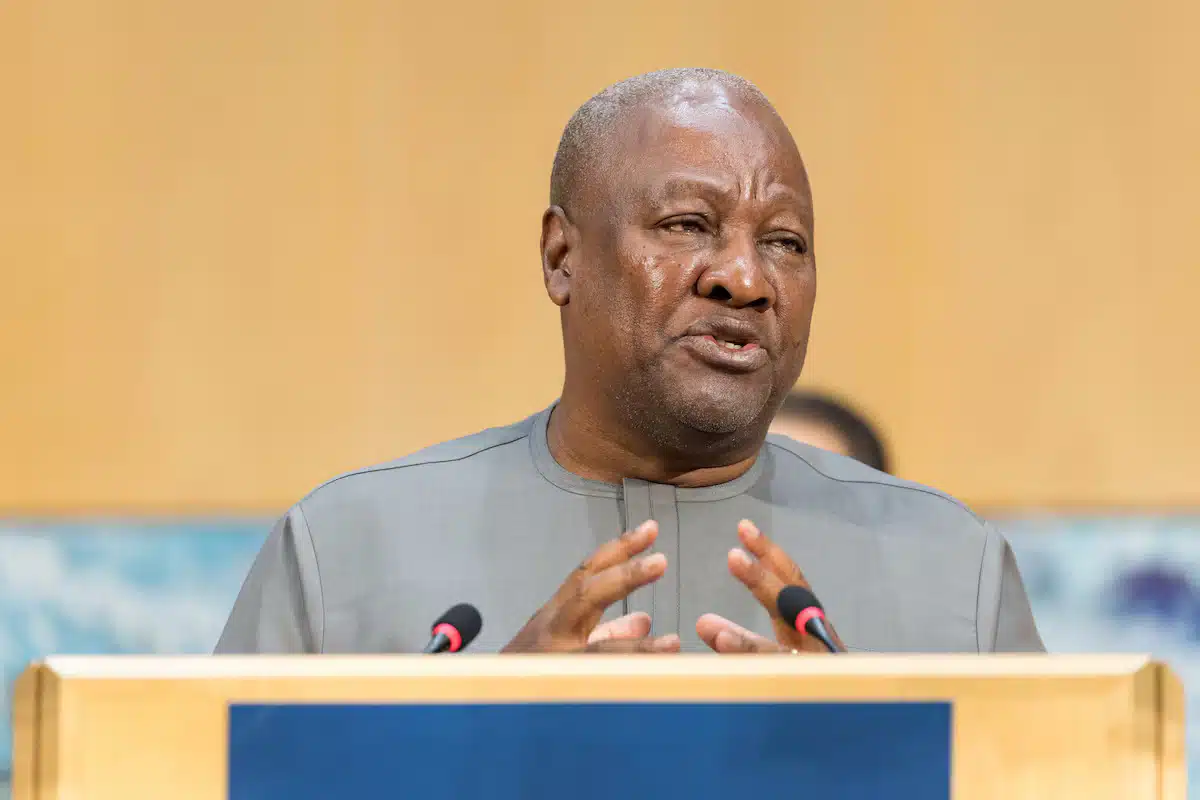
Reserve Bank Governor Lesetja Kganyago said the decision reflected renewed inflation risks after fuel prices came under pressure. “A few months back, it seemed that the fuel-price shock might be unwinding, but now it has intensified,” Kganyago said.
The decision comes on the same day Statistics South Africa reported that annual inflation rose to 4.4% in August from 4.3% in July.
The increase was below the 4.5% forecast in a Reuters poll, while core inflation eased to 4.1%.
Fuel prices add to inflation pressure
The Reserve Bank has been facing renewed pressure from higher oil and fuel prices, which can feed into transport costs and other parts of the economy.
The August inflation reading remained well above the central bank’s new 3% target, although the latest increase in consumer prices was smaller than economists had expected.
The rate decision also follows the MPC’s decision in July to keep the repo rate at 7%. Four members supported keeping rates unchanged at that meeting, while two preferred a 25-basis-point increase.
The committee had said the outlook remained uncertain and that the May rate increase needed time to work through the economy.
Since then, higher oil prices have increased concerns about the inflation outlook. Morgan Stanley had changed its call ahead of Wednesday’s meeting from a hold to a 25-basis-point increase, citing the risk that oil prices could delay inflation’s return to the 3% target.
Repo rate returns to 7.25%
The latest increase is the second rate hike by the Reserve Bank this year and returns the repo rate to levels last seen in June 2025.
Kganyago said the bank remains focused on returning inflation to its 3% target despite uncertainty around the global economic environment.
“We remain focused on our price-stability mandate,” he said.
The higher repo rate will increase borrowing costs for households and businesses through the rise in the prime lending rate. It also marks a shift from the pause adopted by the MPC in July as the central bank responds to renewed inflationary pressure.
The Reserve Bank had previously said its policy stance was restrictive enough to return inflation to target within two years.