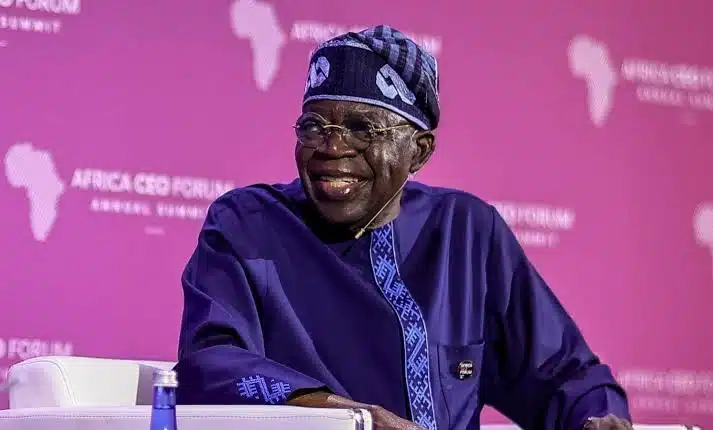

Nigerian President Bola Tinubu has asked the National Assembly — Nigeria’s bicameral federal legislature — to approve a fresh borrowing package of approximately $21.7 billion, underscoring the government’s continued dependence on debt to finance public expenditure and capital investment.
The request, reported by Reuters, covers a combination of external and domestic borrowing, though the precise breakdown between the two has not been detailed in available disclosures.
The scale of the ask places it among the most significant single borrowing requests the executive has put to parliament in recent memory.
Nigeria has faced intensifying fiscal pressure over the past two years, with debt servicing consuming a disproportionate share of government revenue.
The country’s debt-to-revenue ratio has been a persistent concern for analysts and multilateral lenders alike, with servicing costs at times absorbing the majority of federally retained revenue — leaving limited headroom for capital spending without recourse to additional borrowing.
The Tinubu administration has framed its borrowing programme as necessary to fund infrastructure development and social spending, priorities it has cited since taking office in May 2023. That administration inherited a fiscal position shaped by years of subsidised petrol prices — a policy Tinubu ended on his first day in office — and a managed exchange rate, both of which had suppressed government revenues in real terms.
Nigeria’s total public debt stock has grown steadily over the past decade, accelerating during the COVID-19 period and continuing to rise as the government has sought to plug revenue shortfalls. The Debt Management Office (DMO), the federal agency responsible for managing Nigeria’s borrowing, has previously indicated that new borrowing is tied to specific budget deficit financing rather than general expenditure.
Parliamentary approval is constitutionally required for external borrowing above certain thresholds, making the National Assembly’s response a key variable. Historically, the legislature has approved presidential borrowing requests, though debate over terms and end-use has occasionally delayed passage.
For investors and creditors watching Nigeria — Africa’s largest economy by gross domestic product — the borrowing request will renew scrutiny of the country’s debt sustainability trajectory.
Nigeria’s situation is not unique on the continent: several African sovereigns are navigating the tension between development financing needs and the cost of servicing existing obligations, particularly as global interest rates have remained elevated.
The approval process is ongoing. No timeline for a legislative decision has been confirmed.