

Nigeria’s mega refinery’s IPO ended on Thursday, 27th of October.
Africa’s biggest share sale has closed its books with applications from 120 countries, including all 54 African states.
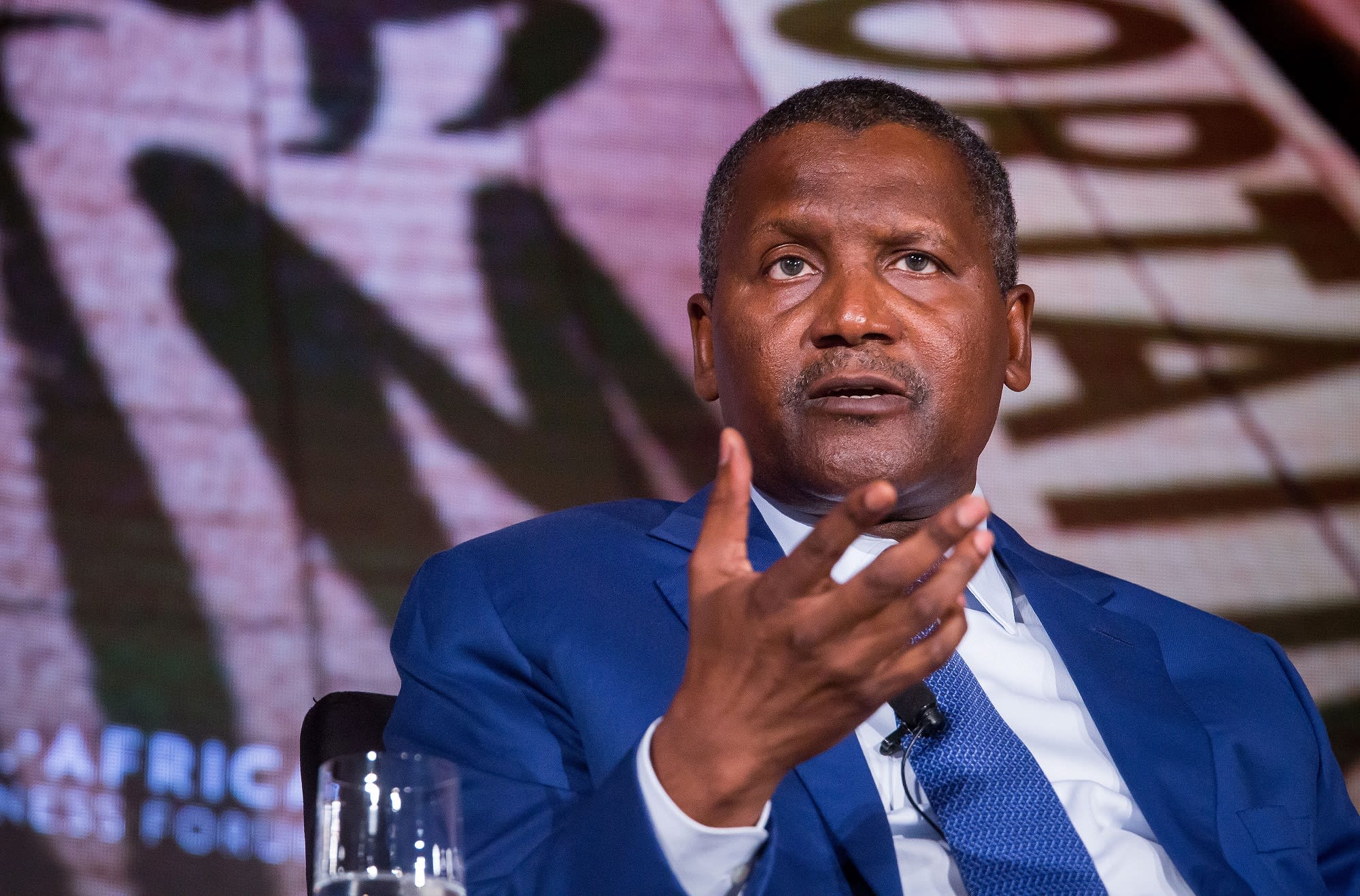
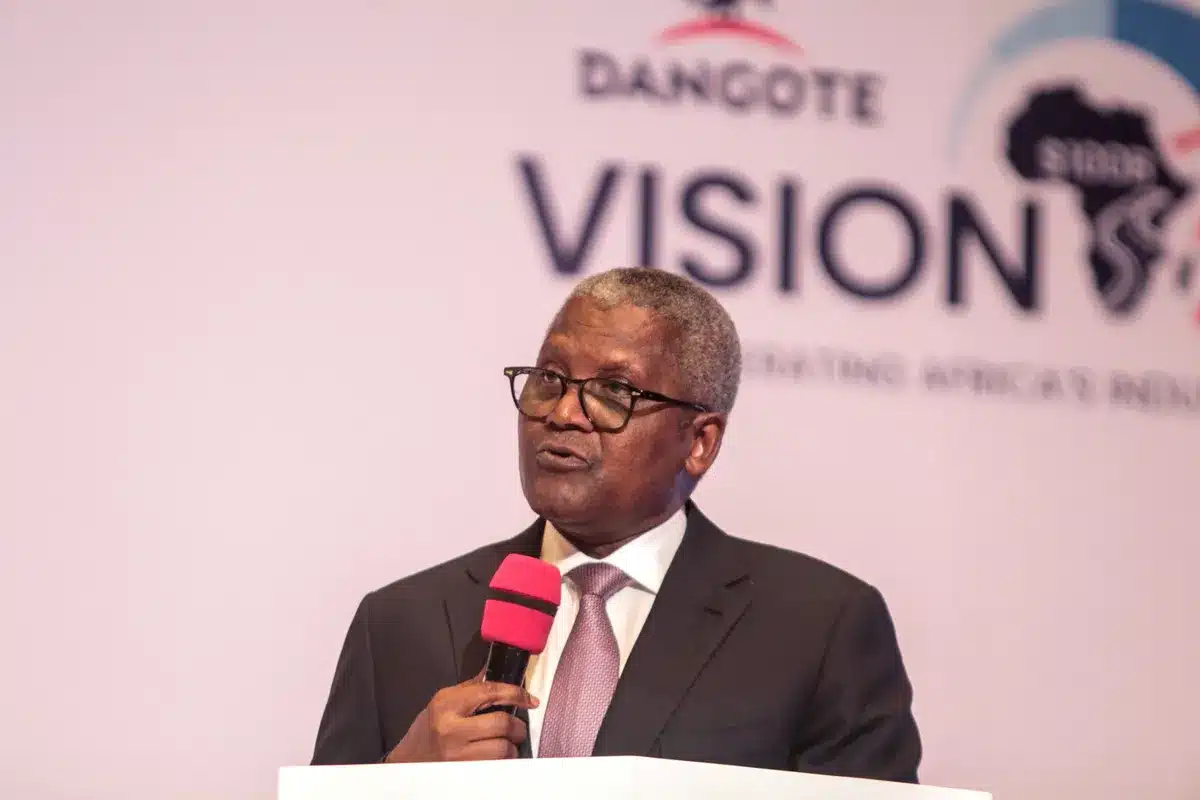
The company has not said how much it raised, but Aliko Dangote has told the public that demand beat the $1.6 billion target by “more than three, four times”.
The numbers tell a simple story. Nigerian and retail investors alone put up between $1.5 billion and $1.6 billion in fully funded commitments, according to people familiar with the process. This was enough to meet the target before a single foreign order was counted. Total demand has since been reported at about $4 billon or more.
The gap suggests that roughly $2.4 billion came from investors outside Nigeria.
Neither the company nor the exchange has confirmed this split, and some reports put Nigerian orders alone at 6.4 trillion naira, or about $4.78 billon.
The final breakdown will matter, and Nigerians will be watching for it.
Even so, the direction is clear. Foreign money did not trickle into this offer. It arrived in large amounts. Investors from every African country applied for the first time, and so did buyers from five other continents.
Getting that money in was not simple. Foreigners without a Nigerian bank account or a bank verification number cannot just click and buy. So the company built workarounds. There are nominee structures for Standard Bank Group, Egypt and Ethiopia.
Stock exchanges in Kenya and Botswana are selling global depository receipts. Uganda’s capital markets regulator approved access for local investors earlier this month.
Mr Dangote’s team also pushed the closing date back by two weeks, to October 27, so that these channels had time to work.
What officials and investors are saying
Mr Dangote has framed the sale as a continental moment. “This is a historic achievement for Africa,” he said in a statement. He added that the chance to own a stake in a major African industrial firm had reached investors in every country on the continent.
The boss of the Nigerian Exchange Group, Temi Popoola, sees a bigger prize. He told reporters that the offer could make the number of active investors in Nigeria three to five times larger.
Today about 5% of Nigerians, or around 12 million people, take part in capital markets. Only a few hundred thousand trade actively. Mr Popoola said selling through WhatsApp, point of sale machines and basic phones could let the exchange “leapfrog” years of outreach.
He also wants the sale to link Nigeria with other African markets. Depositary receipt arrangements with bourses from Egypt and Kenya to Botswana and Ethiopia are either in place or awaiting approval. In his words, Africa is being joined together by real solutions rather than speeches.
Retail platforms report the same surge. Richmond Bassey, who runs the Nigerian investment app Bamboo, said his team expected a wave of small investors but got “more like a tsunami”.

Shares were sold from as little as $4, and one source told Businessfront that more than 2 million people had subscribed through digital channels before the close.
Management has made its own case to buyers. It calls the refinery a platform for industrial growth, foreign exchange earnings and regional trade. That pitch has found an audience beyond Nigeria.
A squeeze for latecomers, and questions for later
Strong demand now creates a problem for the people who want in. The company is expected to use a 30% overallotment option, often called a greenshoe. This would lift the offer to about $2.1 billion and leave more room for overseas buyers.
Even then, foreign demand may exceed the shares on offer. Many applicants should expect to receive less than they asked for.
Allocation is due to begin next week. Trading on the Nigerian Exchange is planned for later in November.
The refinery has good news to show. It reported revenue of $22.5 billion and a profit of $4.73 billion for nine months. Higher crude prices linked to the Iran war have lifted its margins.
The plant, which began commercial operations in early 2024, can process 700,000 barrels a day. Mr Dangote wants to double that, which would make it the largest refinery in the world. Africa still imports more than 70% of its refined fuel, so the strategic case is real.
Still, the lesson of this IPO is already plain. Nigeria has shown that it can pull in global capital through its own market. If the exchange can turn one blockbuster into a wider habit of investing, the real prize will be larger than the $2 billion raised in these weeks.