

Nigeria’s foreign exchange reserves have risen to $55.25 billion, their highest level in 18 years, as stronger diaspora remittances and an improved external position boost the country’s dollar buffer.
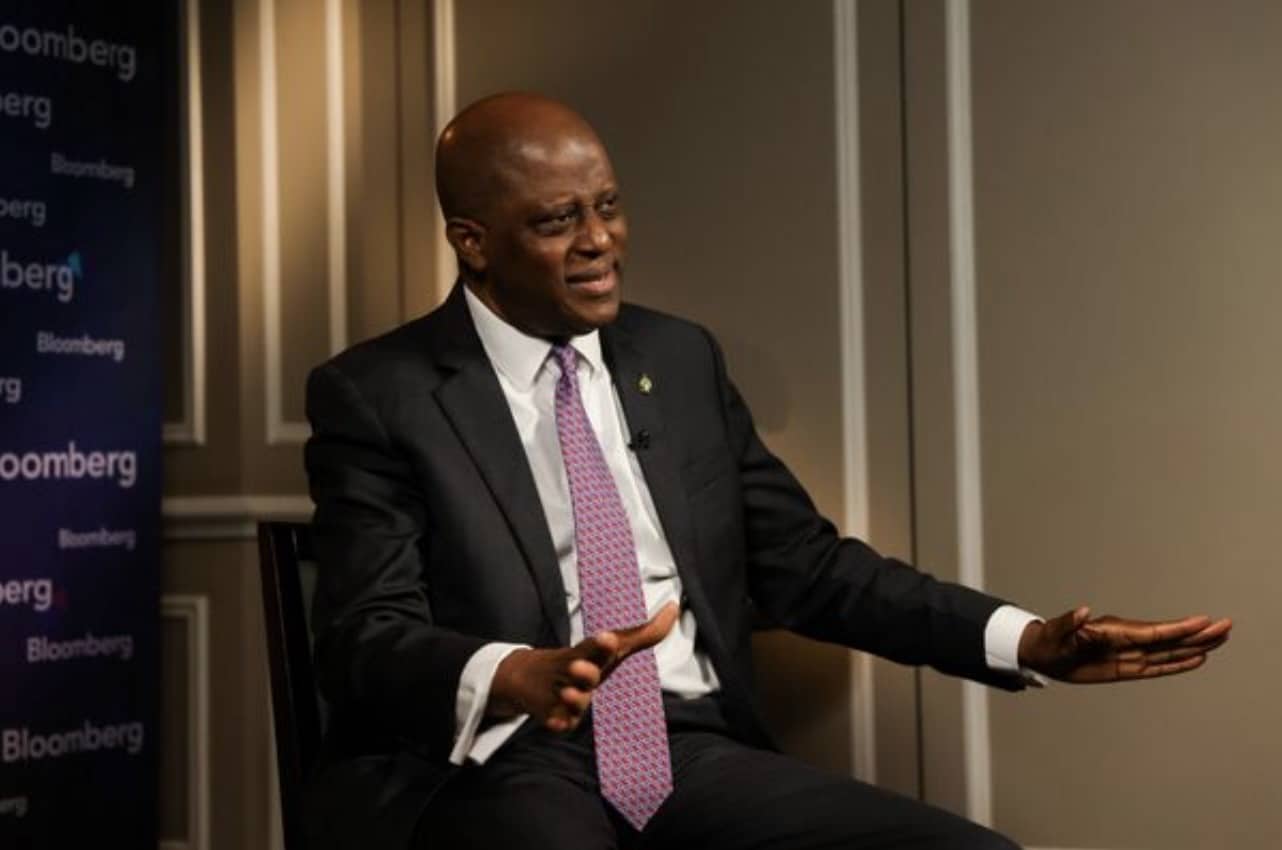
Olayemi Cardoso, governor of the Central Bank of Nigeria (CBN), disclosed the figure on Tuesday at the 307th Monetary Policy Committee (MPC) meeting, where the bank delivered a surprise 350-basis-point cut in its benchmark interest rate.
The reserves, which stood at $55.25 billion as of September 18, are now more than $20 billion above their end-2023 level, when the current administration came into office. They provide about 11.3 months of import cover.
The stronger reserve position marks a significant improvement in Nigeria’s external position after years of pressure on the foreign exchange market.
Cardoso said the improvement in FX availability had eased pressure on the naira and improved conditions across the economy.
“The numbers speak for themselves,” Cardoso said, noting that FX pressure had receded to the point where “very few people worry themselves about FX” because “they can now get it when you want.”
He also linked the improved FX stability to a return of investor confidence.
External accounts strengthen
The rise in reserves has come alongside an improvement in Nigeria’s external accounts.
The country recorded a balance of payments surplus of $3.51 billion in the second quarter of 2026, up from $2.38 billion in the first quarter. Its current-account surplus also rose to $7.54 billion from $4.49 billion, representing a 67.9% increase.
The wider current-account surplus, however, does not necessarily point to a broad-based improvement in domestic production.
Much of the improvement remains linked to petroleum earnings, while the manufacturing sector continues to run a large trade deficit. Manufacturing recorded a trade deficit of more than N9 trillion in the first half of 2026.
The stronger external position therefore reflects an improvement in the country’s overall foreign exchange position, but not yet a broad recovery in its productive base.
Remittances deepen FX sources
Cardoso said remittances has played a “very major role” in helping Nigeria diversify its FX sources.
When the CBN began its push to increase formal remittance inflows, monthly receipts were around $200 million. Its initial target was to double the figure.
Inflows subsequently rose to about $600 million, prompting the CBN to raise its target to $1 billion a month. By July, monthly inflows were approaching that level.
The central bank also revamped its Bank Verification Number requirements to accommodate Nigerians in the diaspora and required international money transfer operators to use specific settlement accounts to make remittance flows more transparent and seamless.
Cardoso, however, cautioned that remittances remain vulnerable to external shocks and can fluctuate from month to month. Still, the increase from about $200 million to almost $1 billion a month represents a significant expansion in one of Nigeria’s fastest-growing sources of foreign currency .
Rate cut reflects improved conditions
The stronger external position was one of several developments the MPC cited as it recalibrated monetary policy. The other was a gaining disinflation momentum.
Headline inflation fell for a third consecutive month to 15.39% in August, while food inflation declined to 19.57% and core inflation eased to 13.92%. The Composite Purchasing Managers’ Index also rose to 52.7 points, signalling continued expansion.
Against this backdrop, the MPC cut the Monetary Policy Rate to 23% from 26.5% marking the first reduction since February. The apex bank also recalibrated the interest-rate corridor to +50/-300 basis points around the MPR, but retained the cash reserve ratio at 45% for deposit money banks, 16% for merchant banks and 75% for non-bank public-sector deposits.
The size of the cut was more aggressive than some analysts had expected.
Tajudeen Ibrahim, director of research at Chapel Hill Denham, had argued before the meeting that the MPC should hold rates, citing elevated global borrowing costs and the risk that an early cut could weaken foreign portfolio inflows.
The Federal Reserve had earlier in the month raised its policy rate by 25 basis points, keeping the external rate environment relatively tight.
Nigeria’s central bank insists that its previous tightening had done its job, but stressed that the latest decision should not be interpreted as a broad shift towards monetary easing.
“We should not see this as an easing. This is a reset and a recalibration.”
The larger reserve cushion gives the CBN more room to manage FX pressures than it had two years ago. The key question is whether the gains in remittances and the current-account position can be sustained strongly enough to keep building that buffer.