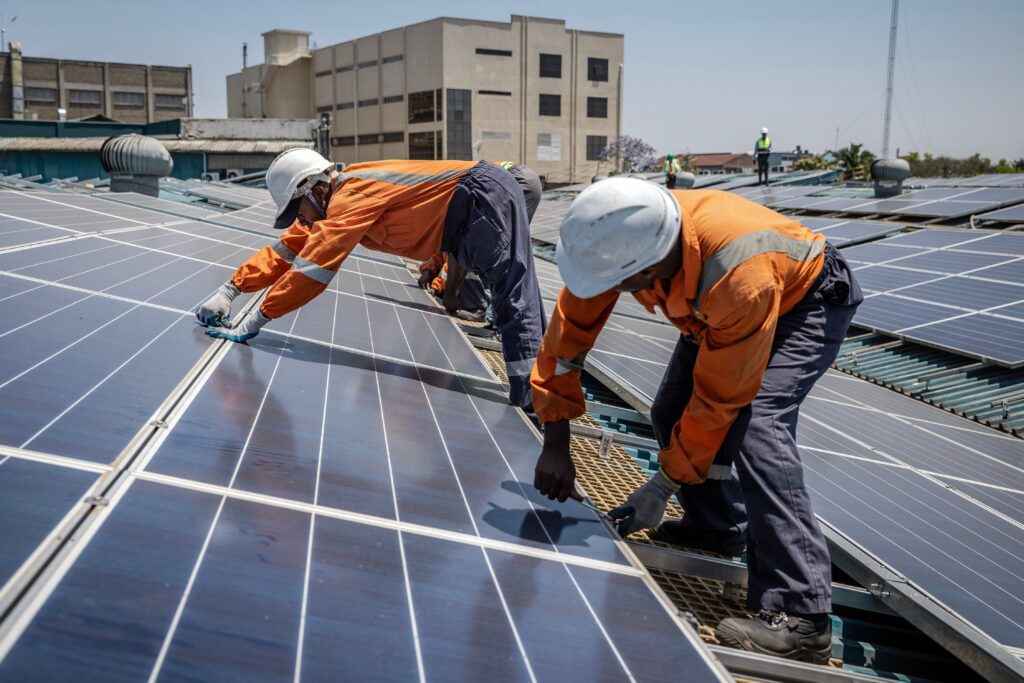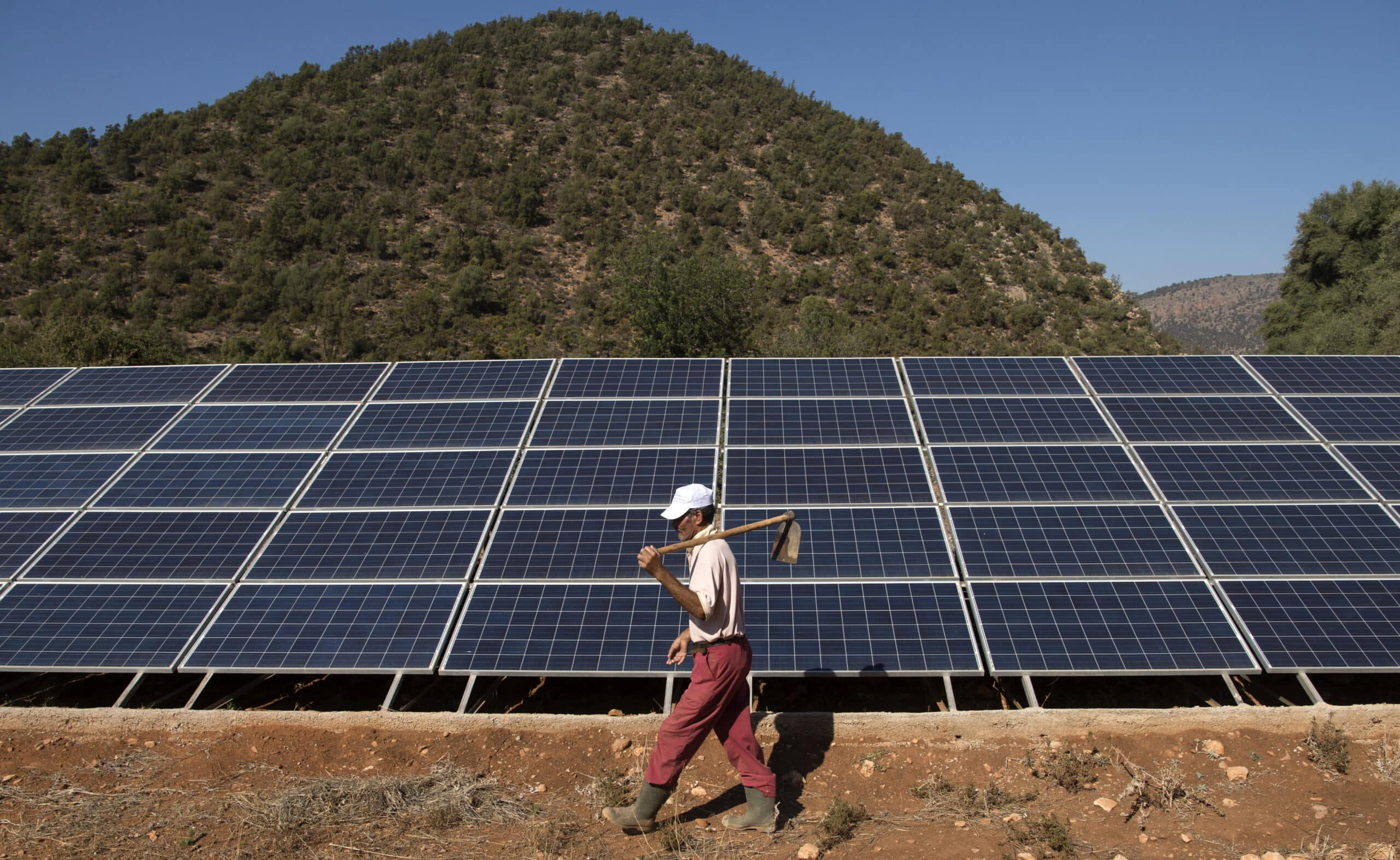


Zambia has surpassed its 2026 solar target a year early, with 1,027MW of solar now installed and total generation capacity rising to 4,722MW — up from 3,777MW in 2024 — as the government pursues an ambitious 10,000MW generation goal by 2031.
Vice President Mutale Nalumango announced the figures at the opening of the Energy Forum for Africa in Lusaka, delivering the address on behalf of President Hakainde Hichilema.
The milestone reflects a rapid acceleration in both utility-scale and government-led solar deployment across the country.
The most significant deal to emerge from the forum was a power purchase agreement signed between Axian and Africa GreenCo — a regional energy trading platform that buys power from independent producers and sells it to utilities and commercial off-takers — for the 200MW Kudu solar plant.
GreenCo will purchase Kudu’s estimated output of around 530GWh per year and sell it to utilities, mining companies, agricultural operators, and commercial businesses across the Southern African Power Pool (SAPP), the regional electricity grid linking 12 southern African countries.
Standard Bank and its Zambian subsidiary, Stanbic Bank Zambia, are providing financial and advisory support as Kudu moves towards financial close and construction. The plant will be Axian’s second solar asset in Zambia, following its acquisition of an 85.6% stake in the 54.3MWp Bangweulu plant — originally developed by Neoen as Zambia’s first utility-scale solar project in commercial operation.
Several other large-scale projects are also advancing. Globeleq is developing 250MW of solar paired with a 150MW/600MWh battery storage system. Copperbelt Energy Corporation’s (CEC) 136MW Itimpi Phase II came online earlier this year, and Nava commissioned a 100MW plant in September 2024.
The government has separately signed contracts with five contractor groups to deliver 312MW of solar under its constituency solar programme.
Energy data firm Ember estimated in August that Zambia’s solar installations would grow by 117% in 2024, placing the country among the fastest-growing solar markets on the continent. Ember projected a record 17GW of new solar capacity across Africa for the year, with Zimbabwe forecast to grow its own solar base by 282%.
The regional dimension of Zambia’s energy push was underscored at the forum by Zimbabwe’s Minister of Energy, July Moyo, who told delegates that a borderless regional energy system was both possible and necessary.
His comments came as the two countries develop an electricity interconnector between them — a project that could deepen power trade across the SAPP and help address chronic electricity deficits that have weighed on industrial output across southern Africa.
Zambia’s progress signals growing investor confidence in sub-Saharan Africa’s energy transition, with the country’s mix of utility-scale independent power producers, battery storage, and government-led rural electrification offering a model that other markets in the region are watching closely.