

Key Takeaways:
- Sapref revival alone is expected to cost about $7.15 billion.
- Mossel Bay will require at least another $1 billion to restart in phases.
- South Africa now relies on imports for about 61% of its petroleum needs.
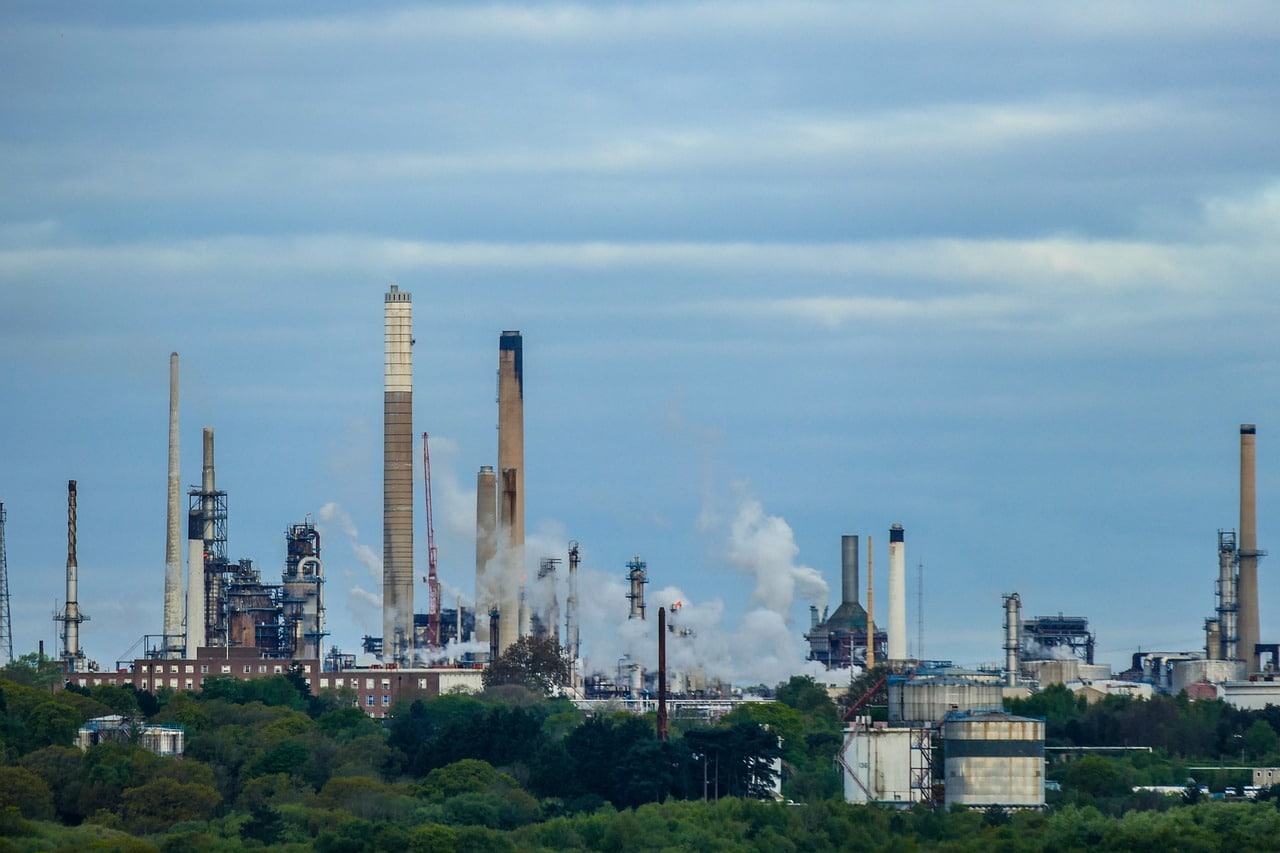
South Africa will need more than $8 billion to revive two mothballed state-owned refineries as the country seeks to restore domestic refining capacity and reduce its dependence on imported fuels.
The Central Energy Fund told lawmakers in Cape Town on Wednesday that reviving the 180,000-barrel-per-day Sapref refinery in Durban could cost about $7.15 billion, while the phased restart of the Mossel Bay gas-to-liquids refinery would require additional investment.
The CEF said a final investment decision on Sapref is targeted for 2027/28.
“South Africa cannot afford to lose sight of the strategic importance of domestic refining capacity,” CEF CEO Tshepo Mokoka said earlier this month, according to a statement from the state-owned fund.
He said the organisation was seeking to unlock economic value from existing infrastructure.
Sapref revival could cost $7.15 billion
The CEF acquired the flood-damaged Sapref refinery from BP and Shell in 2024 for R1 ($0.06). The refinery, which had a capacity of 180,000 barrels per day, has been idle since 2022 after operations were suspended following severe flooding in KwaZulu-Natal.
The CEF plans to initially use the site’s existing infrastructure to import and distribute liquefied petroleum gas and lease storage tanks to generate revenue while work on the refinery progresses.
Its longer-term plan is to develop a refinery capable of processing about 400,000 barrels per day, with a possible later expansion to between 400,000 and 650,000 barrels per day, subject to funding, regulatory approvals and other project milestones.
The CEF has not disclosed how the $7.15 billion investment would be financed. Reuters reported that banking and government sources were discussing potential financing from Afreximbank and other institutions.
Mossel Bay restart will happen in phases
The CEF is also considering the phased revival of the Mossel Bay gas-to-liquids refinery, which has been idle since 2020 because of insufficient domestic gas feedstock.
The refinery, operated by PetroSA and now part of the South African National Petroleum Company, would initially target production of about 18,000 barrels per day at an estimated cost of R5.8 billion ($358 million).
A second phase would increase production to 46,000 barrels per day and require another R8.5 billion ($525 million), bringing the two phases to about R14.3 billion ($884 million).
The refinery projects come as South Africa’s domestic refining capacity has fallen sharply. CEF data shows local refineries supplied about 78% of petroleum demand in 2019, compared with around 39% currently, meaning imports now account for roughly 61% of demand.
The government has also identified increased domestic refining and strategic fuel stocks as priorities as it seeks to reduce exposure to international supply disruptions.