

Key Takeaway:
- Namibia’s Petroleum Amendment Bill has passed its second reading
- Opposition lawmakers and analysts warn the bill could weaken oversight and accountability in the country’s emerging oil industry.
- The legislation will undergo a clause-by-clause review by parliamentary committees.
Namibia’s controversial Petroleum Amendment Bill has passed its second reading in parliament, advancing a proposed overhaul of the country’s petroleum sector despite concerns that it could concentrate regulatory power in the presidency.
The bill cleared the second reading late on Tuesday, a week after opposition lawmakers walked out of the debate over its provisions.
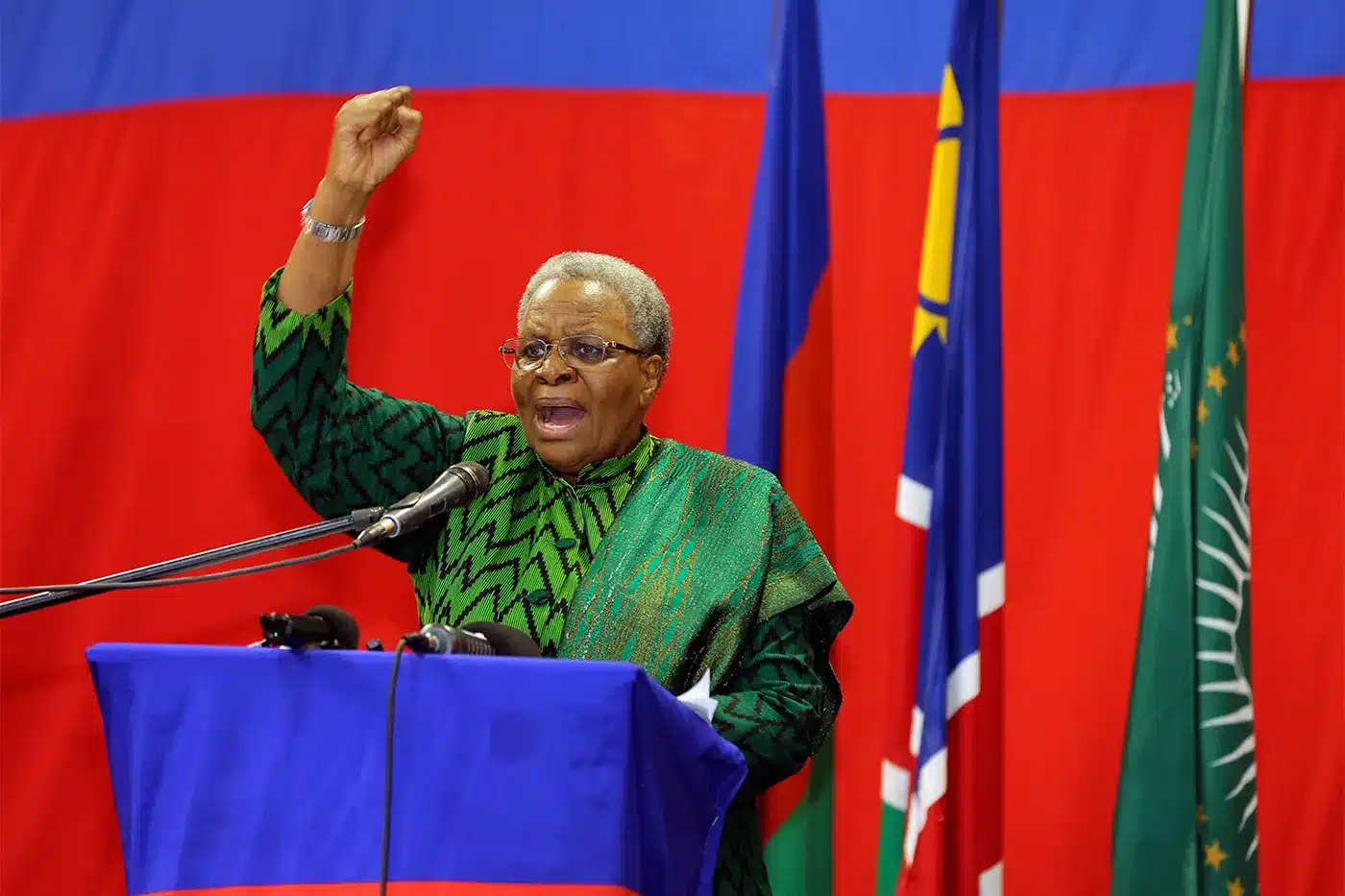
The legislation is a major test for President Netumbo Nandi-Ndaitwah, who has championed the reforms since taking office.
The presidency has defended the proposal, arguing that establishing a new petroleum regulatory authority within its office would speed up decision-making while maintaining appropriate checks and balances.
However, opposition parties and analysts have raised concerns about the implications for transparency, institutional independence and oversight of Namibia’s emerging oil industry.
“The decision to create a mini ministry of mines and energy in the presidency is a wrong move and undemocratic,” Immanuel Nashinge, parliamentary leader of the opposition Independent Patriots for Change, told Reuters after his party helped lead the walkout.
Opposition warns of excessive presidential control
The bill proposes creating a new regulatory authority within the presidency, shifting key petroleum-sector responsibilities towards the president’s office.
Critics argue that the arrangement could weaken independent oversight by placing regulatory functions closer to the executive, particularly as Namibia prepares to develop its offshore oil discoveries.
Independent political analyst Ndumba Kamwanyah said the country’s petroleum future should be guided by strong institutions and transparent decision-making.
“Namibia’s oil future must be built on transparency, accountability and strong institutions, not political control and rushed decisions,” Kamwanyah said.
Lawmakers have also questioned the procedural handling of the legislation, arguing that upstream leadership structures have been operating ahead of formal legislative backing.
The ruling party holds 51 of the National Assembly’s 96 seats, giving it a narrow majority. Analysts have also pointed to internal divisions within the party ahead of its elective conference next year as a potential complication for the bill’s passage.
Namibia prepares for first oil production
The legislation comes as Namibia seeks to turn major offshore discoveries into commercial production, with the country targeting its first oil output around 2030.
Discoveries by international energy companies have made Namibia one of the most closely watched exploration markets in Africa. The government is seeking to establish the regulatory framework needed to oversee exploration, development and future production.
The bill will now go to parliamentary committees for a clause-by-clause review before returning to the National Assembly for final approval.