

Key takeaways:
- Aliko Dangote has confirmed groundbreaking for the Lamu oil refinery in Kenya for September 30
- The $16 billion refinery will have a processing capacity of 700,000 barrels per day
- Kenya, Ethiopia and Rwanda have been offered a combined 30% equity stake in the project, worth about $1.5 billion
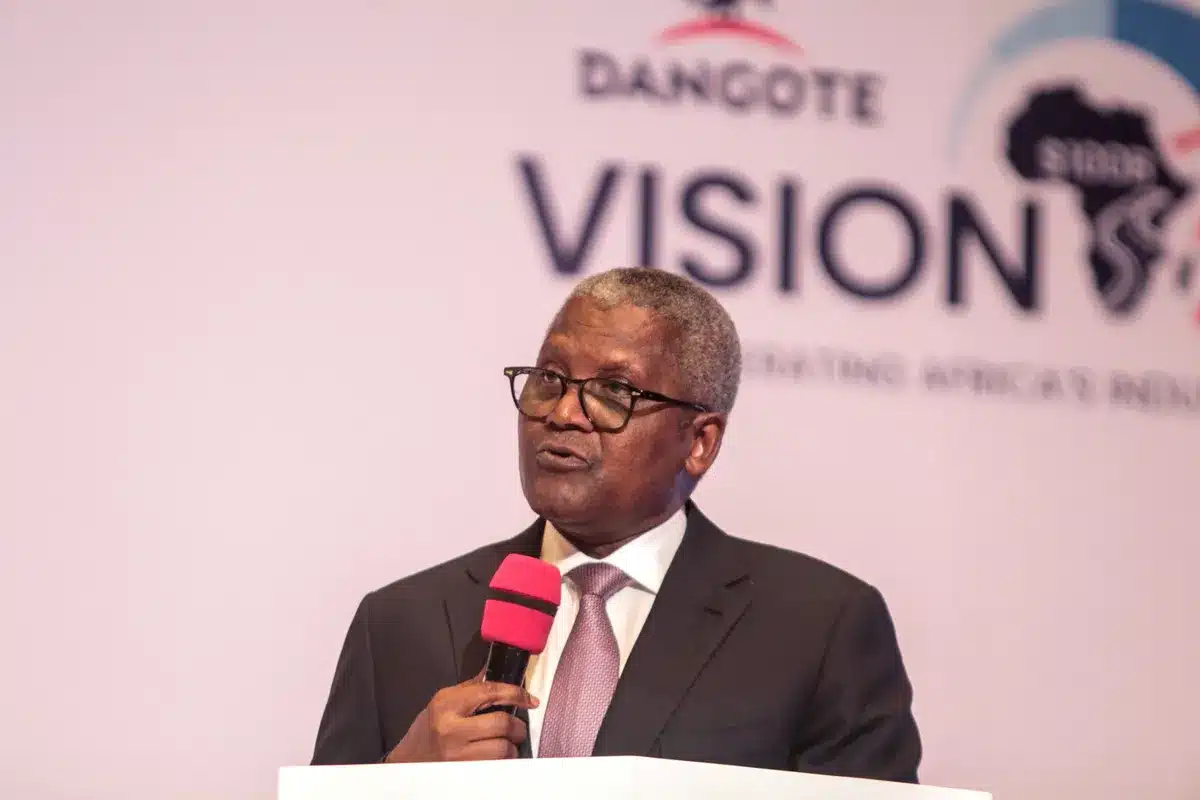
Aliko Dangote has confirmed that construction of his planned Lamu oil refinery in Kenya will break ground on September 30, 2026.
Dangote made the announcement while addressing investors and analysts during a visit to Botswana.
“We are launching it on September 30,” Dangote said, according to Reuters.
The date brings forward earlier timelines Dangote had floated, when he said construction would begin by October 2026.
Once completed, the refinery will have a processing capacity of 700,000 barrels of crude oil per day, making it the largest refinery in East Africa and the second-largest on the continent after Dangote’s Lagos refinery in Nigeria.
The facility is expected to supply refined petroleum products to Kenya and neighboring markets, including Uganda, Tanzania, South Sudan and the Democratic Republic of Congo.
How the project will be financed
The project’s cost has been revised down to approximately $16 billion, from an earlier estimate of $17 billion, reflecting efficiencies drawn from Dangote’s Lagos refinery build, faster construction timelines and lower financing costs.
According to Dangote, construction will be financed through a combination of debt and shareholder funds, with about 70% of the project, roughly KSh1.45 trillion ($11.2 billion), financed through debt.
The remaining 30%, about KSh621 billion ($4.8 billion), will be funded by shareholders, including Dangote himself.
East African governments offered a stake
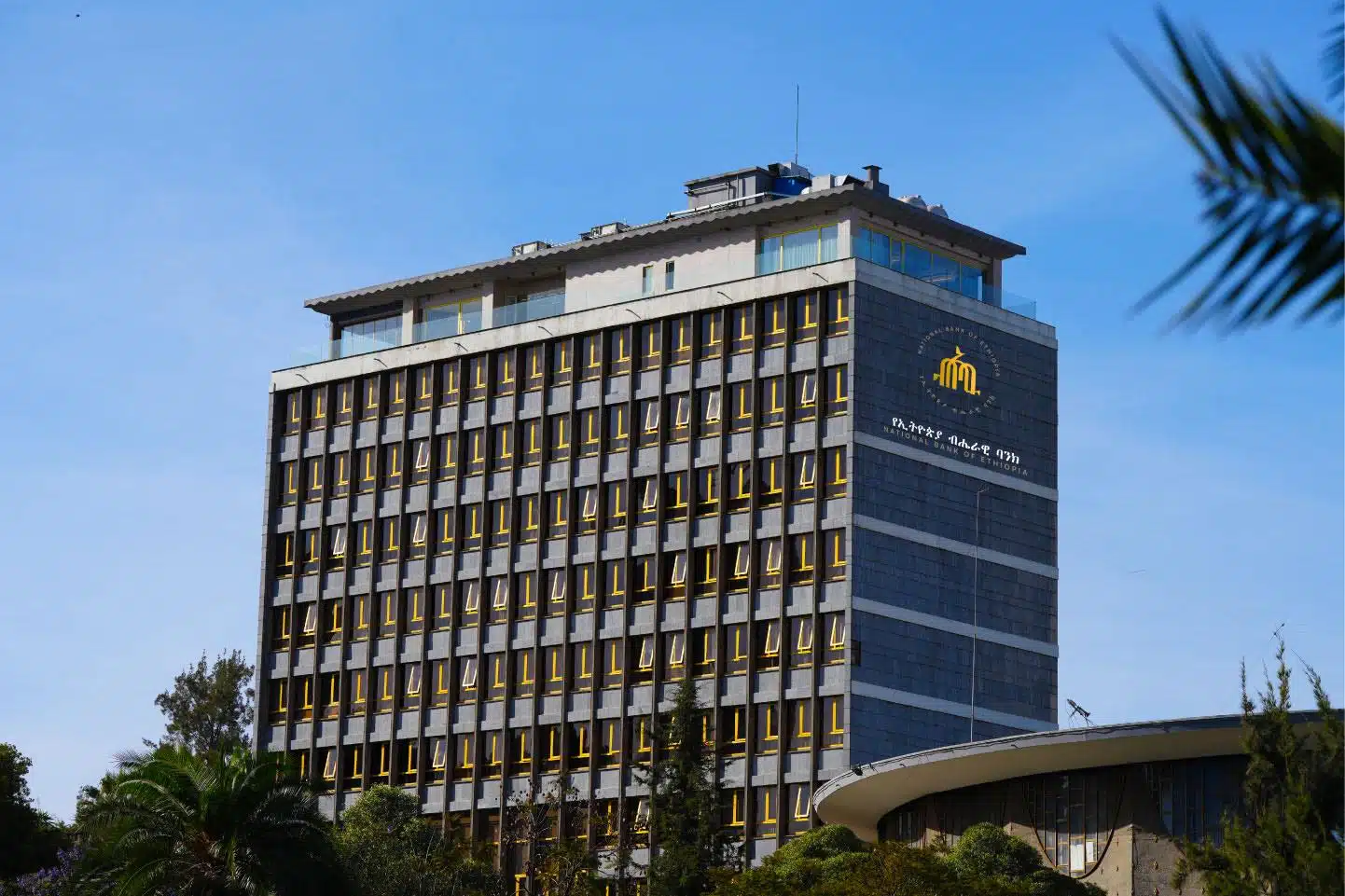
In addition, Dangote has offered Kenya, Ethiopia and Rwanda a combined 30% equity stake in the refinery, valued at roughly $1.5 billion.
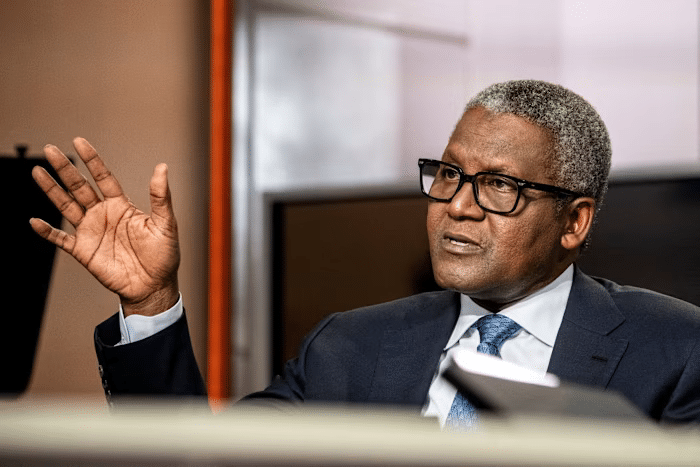
Kenya’s proposed share is 10%, worth approximately $500 million, according to David Ndii, economic adviser to President William Ruto, who disclosed the ownership structure at the Mwango Capital Markets Forum in Nairobi.
“The total for the region is about KSh194.2 billion ($1.5 billion),” Ndii said.
Kenya’s selection over Tanzania was confirmed in July after months of speculation the project might land in Tanga instead, a decision Ruto’s economic team has framed as a way to anchor the refinery to regional energy security.
Ndii has estimated the East African region could supply the refinery with more than 600,000 barrels of crude oil per day, with South Sudan expected to contribute about 350,000 barrels, Uganda 250,000 barrels and Kenya 120,000 barrels.
Kenya is also planning a wider industrial complex around the refinery, including a 1,000-megawatt power plant and a special economic zone, which President Ruto has said could create about 60,000 jobs and significantly boost Lamu County’s economy.