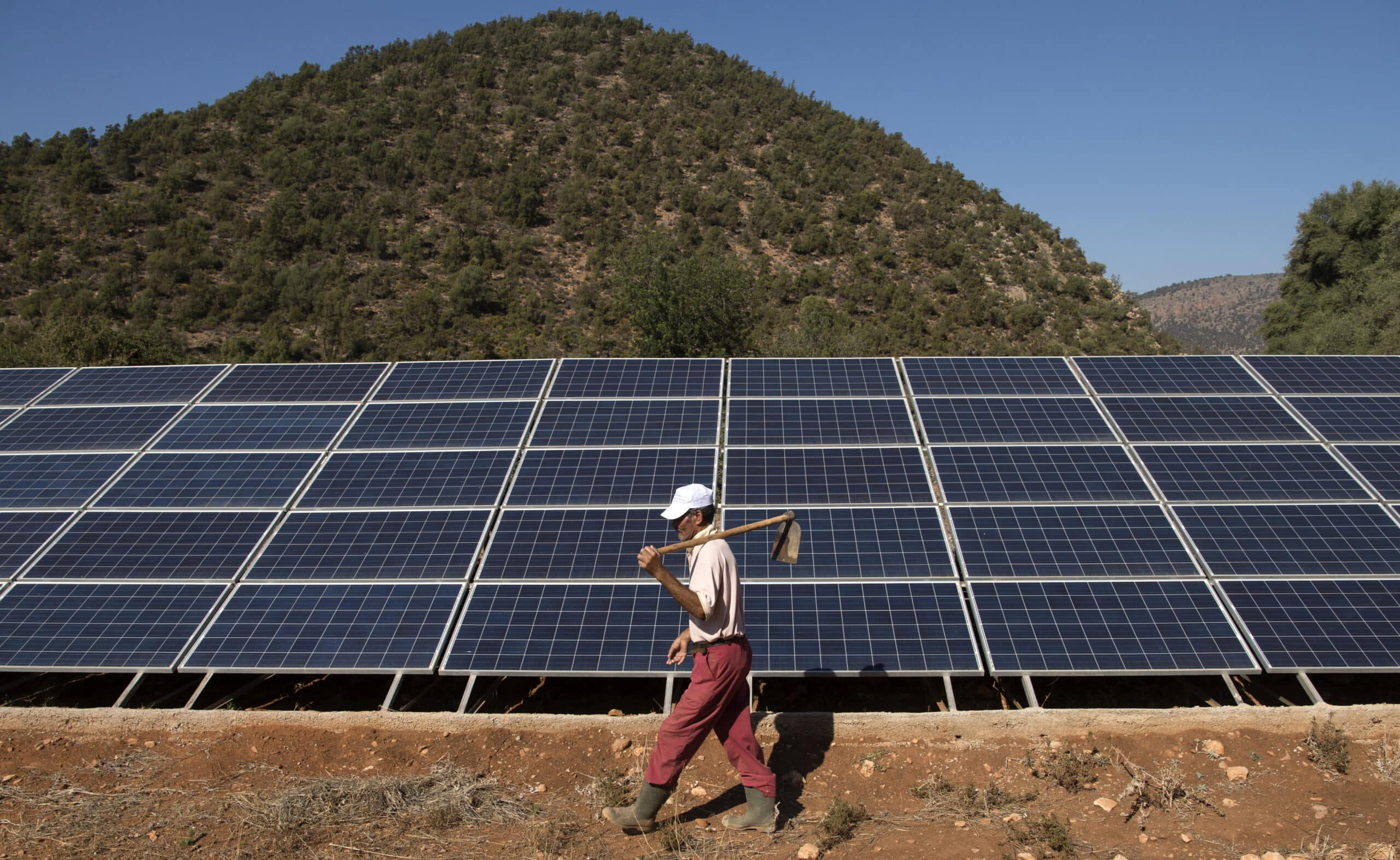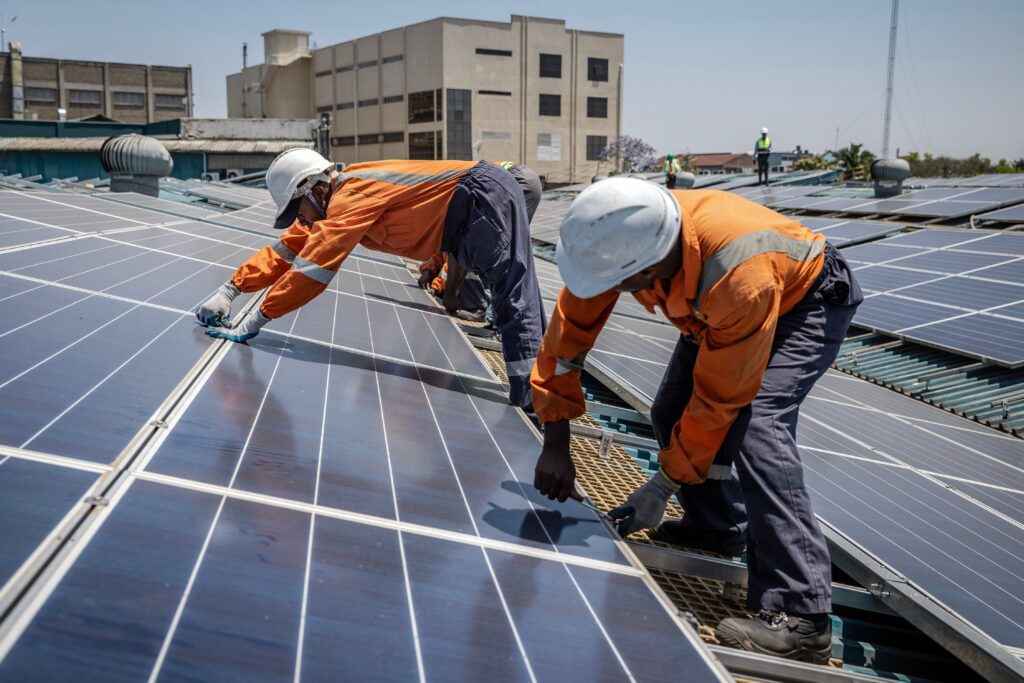

Côte d’Ivoire has shortlisted developers for two 100MW solar photovoltaic plants, each paired with 33MWh of battery storage, as the country moves to close the gap between its 45% renewables target by 2030 and a grid that currently runs on thermal power for roughly two thirds of its installed capacity.
The two sites — Dabakala in the north east and Niakaramandougou in the centre of the country — will each be awarded as 25-year independent power producer (IPP) concessions covering design, financing, construction, operation, and maintenance.
The concessions run through Ci-Energies, the state electricity utility, and the procurement was launched last year before advancing to shortlist stage, according to Africa Energy.
The scale of the ambition is thrown into relief by the starting point. The International Renewable Energy Agency (IRENA) counted just 40MW of installed solar capacity in Côte d’Ivoire at the end of 2024.
Thermal generation accounted for approximately 69% of the country’s 2,907MW of installed capacity as of 2023 — a grid profile that makes absorbing intermittent solar generation difficult without storage.
The 33MWh of battery storage specified at each site addresses that integration problem directly.
A predominantly thermal grid has limited tolerance for the midday surges that solar produces; battery systems capture that output and release it when demand rises after dark, smoothing the load curve and reducing curtailment risk that would otherwise undermine the economics of new solar investment.
The procurement sits within the Pacte National Énergie, the government’s overarching framework for reaching 45% renewables — including hydropower — in the national electricity mix by 2030.
The framework also encompasses Côte d’Ivoire’s ambition to position itself as a power exporter to neighbouring countries, giving the grid stability question a regional dimension: reliable, dispatchable renewable capacity is a prerequisite for cross-border supply agreements.
West Africa’s power interconnection landscape makes that export ambition credible.
Côte d’Ivoire already supplies electricity to several neighbours through the West African Power Pool (WAPP), the regional body coordinating grid integration across the Economic Community of West African States (ECOWAS).
Adding dispatchable solar-plus-storage capacity strengthens the country’s ability to honour export commitments regardless of time of day or weather conditions.
For developers shortlisted on the two concessions, the 25-year contract horizon and the involvement of Ci-Energies as the offtake counterparty provide the long-term revenue visibility that project finance for utility-scale renewables typically requires.
The move to award stage will be closely watched as a signal of how quickly Côte d’Ivoire can translate procurement ambition into contracted capacity.