

The African Development Bank (AfDB) is committing up to $66 million to the first phase of Egypt’s Dandara solar project, joining the European Investment Bank (EIB) and the European Bank for Reconstruction and Development (EBRD) in a trilateral development finance arrangement for one of Africa’s largest renewable energy builds.
Egypt has signed a preliminary financing agreement with Norwegian solar developer Scatec for the $650 million Dandara project, located in Nagaa Hammadi in southern Egypt.
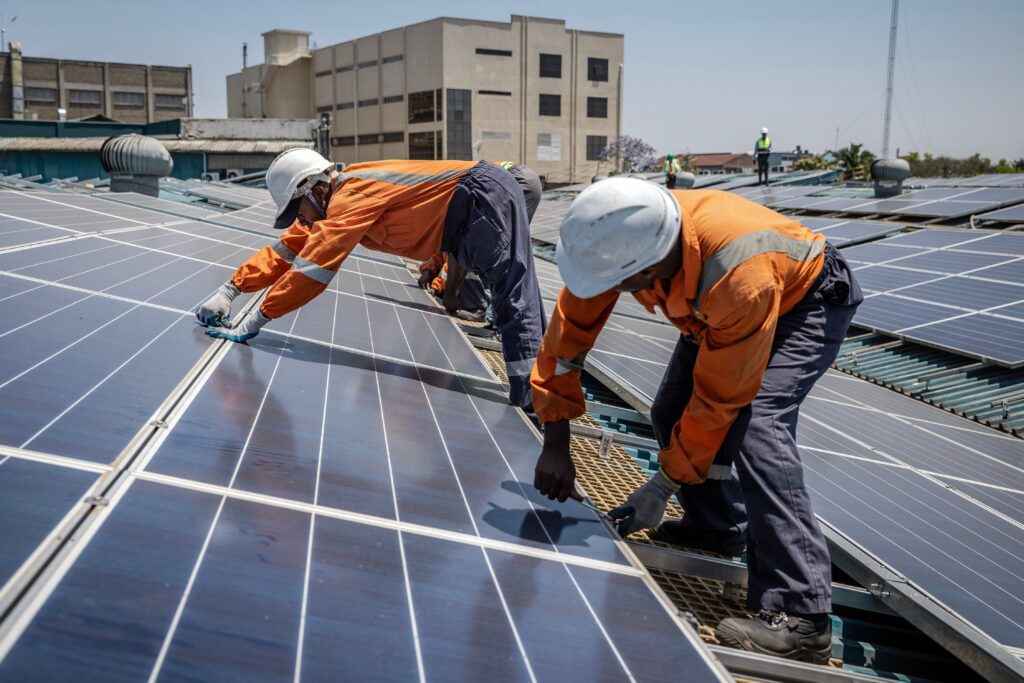
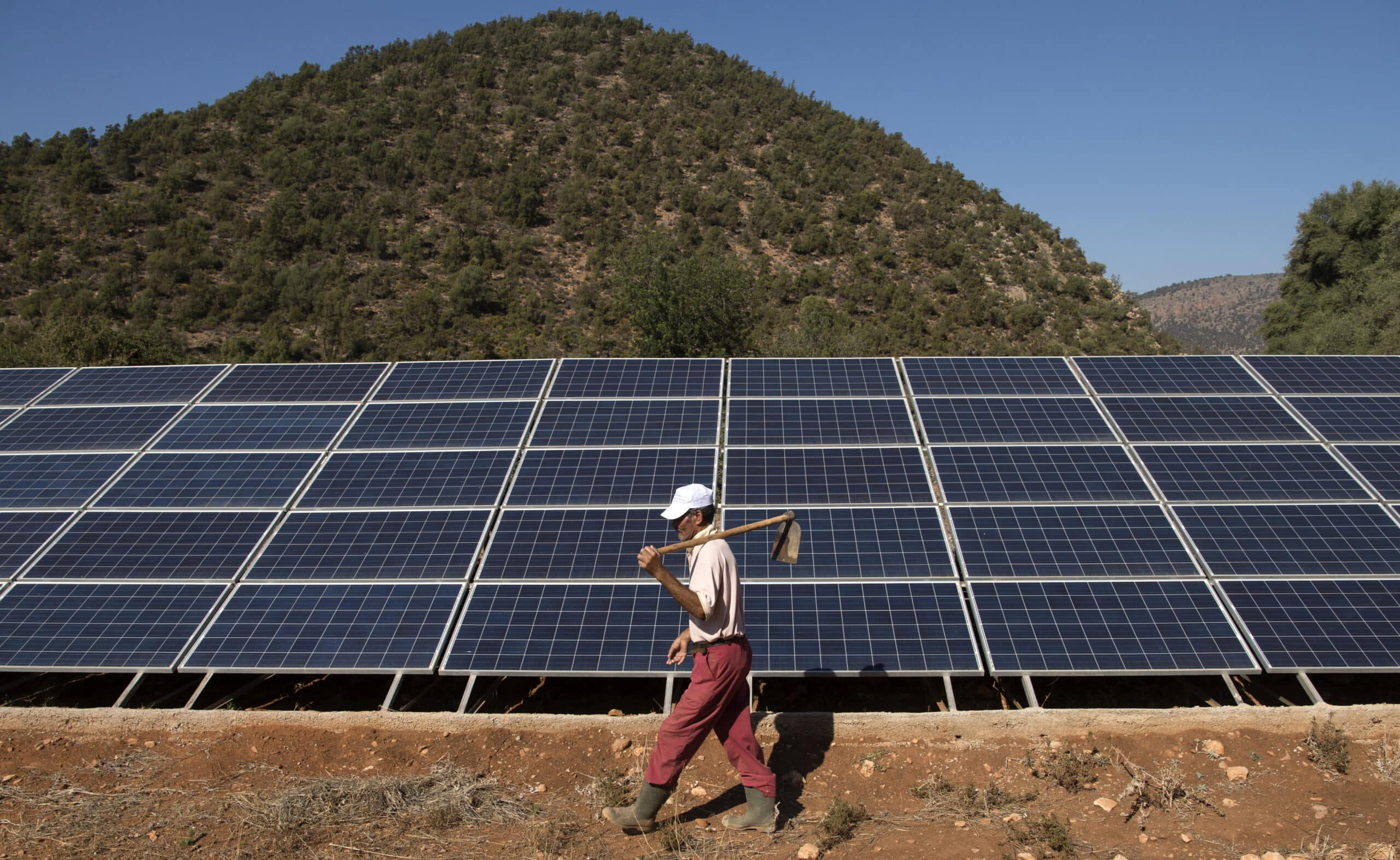
The project will combine 1 GW of solar generation capacity with 200 MWh of battery storage, developed across two phases — each delivering 500 MW of solar and 100 MWh of storage.
The AfDB approved its financing package in July, structured as $46 million from the bank’s ordinary capital resources and $20 million in concessional funding from the Climate Investment Funds’ Clean Technology Fund (CTF) — a multilateral mechanism that channels concessional finance to accelerate clean energy deployment in emerging markets.
The total estimated cost of the first 500 MW phase exceeds $290 million.
Separate agreements cover grid connection and an equity contribution to the project company from the National Bank of Egypt, Egypt’s largest state-owned commercial bank.
The preliminary agreement signals progress toward financial close and full implementation arrangements, though it does not constitute final commitment.
The project is designed to supply roughly one-third of the electricity requirements of Egypt Aluminium, the country’s sole primary aluminium producer. Power will be sold under a long-term take-or-pay power purchase agreement — a structure that guarantees the seller a minimum revenue stream regardless of actual offtake, reducing lender risk on large infrastructure projects.
The commercial rationale extends beyond energy supply. By reducing the carbon intensity of aluminium production, the project is intended to help Egyptian exports comply with tightening environmental standards in international markets, including the European Union’s Carbon Border Adjustment Mechanism, which imposes levies on carbon-intensive imports.
The financing structure illustrates a broader trend in African renewable energy development: large-scale projects increasingly require coordinated capital from multiple multilateral development banks alongside concessional climate funds and domestic financial institutions. For investors tracking development finance flows into African infrastructure, the Dandara deal represents a template for how complex, capital-intensive projects are being assembled across the continent.
The AfDB, headquartered in Abidjan, Côte d’Ivoire, has positioned energy access and transition as a central pillar of its lending strategy, with a particular focus on scaling solar capacity across North and Sub-Saharan Africa.