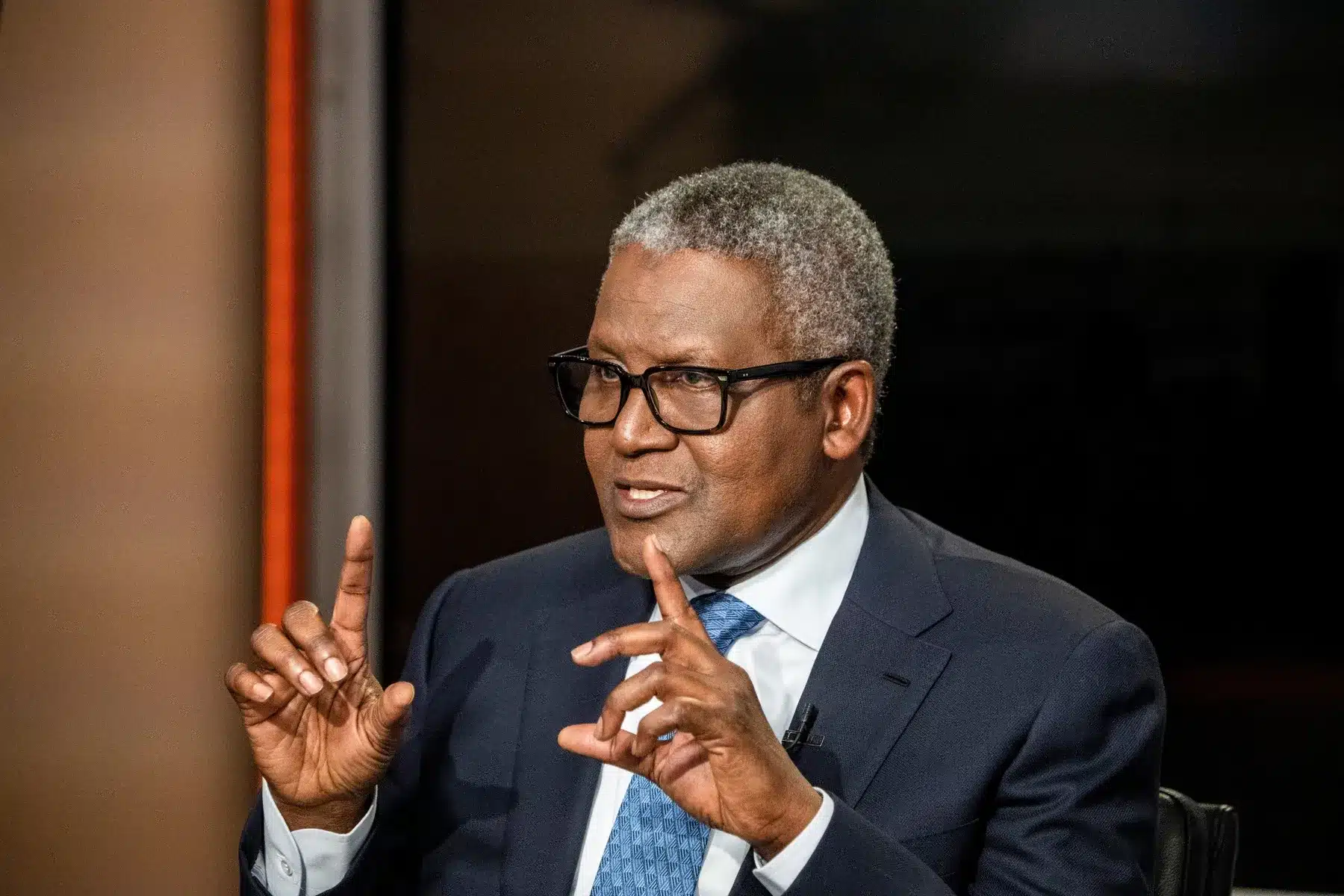
Ugandan President Yoweri Museveni has reopened an old dispute over how his country buys fuel from Kenya, accusing officials of allowing petroleum products to pass through middlemen before reaching Uganda.
Museveni said he only learnt around 2019 that Uganda was buying petroleum products through Kenyan intermediaries. He said the late Kenyan politician Cyrus Jirongo alerted him to the arrangement, prompting him to ask Uganda’s then energy minister, Irene Muloni, to investigate it.
The issue resurfaced after Uganda changed its procurement model and began buying fuel directly from Vitol, a global energy trader, through the Uganda National Oil Company (UNOC). Museveni said the new arrangement reduced the premiums Uganda paid on imported fuel.
His comments have now put Kenya’s fuel import system back under scrutiny. Kenya has defended its Government-to-Government (G-to-G) arrangement, saying it licensed private companies to handle local supply logistics rather than inserting brokers into the deal.
The dispute matters because Uganda has spent years trying to reduce its dependence on Kenyan companies without being able to move away from Kenya itself. Most of its imported fuel still enters through Mombasa and moves inland through Kenyan infrastructure.
The question is therefore bigger than whether Uganda paid too much for fuel. It is about who controls the supply chain and who gets paid along the way.
How Uganda’s fuel problem started
Uganda’s dependence on Kenya goes beyond the companies that supplied its fuel. As a landlocked country, it relies heavily on the Mombasa route to bring petroleum products into the country.

Ugandan oil retailers mostly relied on Kenyan affiliates to source their supplies. That became a problem when Kampala wanted more control over procurement and the prices it paid for imported fuel.
The government began looking for a way to take control of the purchasing side of the business.
That eventually led to an agreement with Vitol in 2023. UNOC became responsible for bulk imports, allowing Uganda to deal directly with an international supplier rather than relying on Kenyan companies to source the products.
Museveni has now provided figures to explain why Uganda wanted the change.
Under the old arrangement, he said the premium on diesel was $118 per metric tonne. It fell to $83 under the Vitol deal. The premium on petrol dropped from $97.50 to $61.50, while aviation fuel fell from $114.25 to $79.25.
Bakre Lateef, an oil and gas analyst, says Uganda’s decision to move bulk fuel procurement to UNOC was aimed at giving the country greater control over the price it pays for imported petroleum products.
“The issue is not simply that there was a middleman. The question is what that intermediary was adding to the cost of the fuel and whether Uganda was getting value for what it paid. If the country can negotiate directly with a bulk supplier at a lower premium, then removing unnecessary layers from the transaction can reduce the cost of procurement,” Bakre told Businessfront.
The figures support Uganda’s argument, although the premiums cited by Museveni have not been independently broken down in the public record.
Uganda changed the buyer, not the route
Uganda’s new arrangement with Vitol still depended on Mombasa and the Kenya Pipeline Company (KPC). That became a source of tension in 2024, when Kenya initially resisted UNOC’s attempt to import petroleum products directly through the Kenyan system.
The dispute was eventually resolved after talks between Museveni and Kenyan President William Ruto. Kenya agreed to allow UNOC to import directly through Mombasa and use KPC to transport the fuel into Uganda.
The agreement changed the role of Kenyan companies in Uganda’s fuel trade. UNOC could now handle bulk procurement directly, while Kenyan infrastructure would still be used to move the products into Uganda.
Uganda was not trying to stop using Kenya. It was trying to stop depending on Kenyan companies to buy its fuel.
That gave the country greater control over procurement while leaving Kenya with an important role in transporting the fuel.
Kenya says its G-to-G system is different
Kenya has pushed back against the suggestion that its current G-to-G fuel arrangement should be described as a middleman system.
Kenya introduced the G-to-G model in 2023 during a period of severe dollar shortages and pressure on fuel supplies. The government negotiated with Gulf suppliers for refined petroleum products on extended credit terms, reducing the immediate foreign exchange burden of fuel imports.
The model still involves Kenyan oil marketing companies. But Kenya’s Energy and Petroleum Cabinet Secretary Opiyo Wandayi has argued that these companies were selected to handle local supply and logistics after the international suppliers chose licensed Kenyan firms as their local counterparties.
Kenya says that is different from the older procurement arrangement Museveni was referring to. President Ruto has also defended the G-to-G model.
But Kenya’s fuel-import system has itself come under scrutiny this year. Businessfront reported on the petrol import scandal involving a shipment brought into Kenya outside the G-to-G framework, raising questions over the circumstances surrounding the import and the companies involved.
The case is separate from the procurement arrangement Museveni described. It does, however, add another layer of scrutiny to Kenya’s fuel import system and the role of private companies within it.
The two cases should not be treated as the same dispute, even if they do put the structure of fuel procurement in Kenya under renewed attention.
Why Kenya still matters to Uganda
Uganda has changed who it buys fuel from, but it has not changed the route that brings most of that fuel into the country. The country still relies heavily on Kenya’s port and pipeline infrastructure to access imported petroleum products.
About 95% of Uganda’s petroleum imports, nearly 2.96 billion litres a year, move through Kenya via the Port of Mombasa and the KPC pipeline system, according to UNOC. That makes the Kenyan corridor difficult to bypass, even when Uganda buys its fuel directly from an international supplier.

But the dependence runs both ways. Uganda accounts for about 65% of the petroleum volumes transported to regional markets through KPC. UNOC says those volumes contribute nearly 35% of KPC’s revenues.
That gives Uganda considerable weight in Kenya’s regional fuel business. Uganda needs the Kenyan corridor to move its fuel, while KPC relies heavily on Uganda’s demand to support its transit business.
This is the central tension in Uganda’s strategy. The country wants more control over how it buys fuel without losing access to the infrastructure it still needs to bring that fuel into its market.
The 2024 agreement between UNOC and KPC reflected that compromise. Kenya allowed Uganda to import fuel directly while continuing to provide the port and pipeline infrastructure needed to move the products into Uganda. In 2026, UNOC also acquired a 20.15% stake in KPC, giving Uganda a direct financial interest in part of the infrastructure on which its fuel supply depends.
There are alternative routes through Tanzania, and Uganda has continued to develop them. But replacing the Kenyan corridor at the same scale would require time and investment.
For now, Uganda’s strategy is less about leaving Kenya than changing the terms of its dependence. It wants greater control over the purchase of its fuel, while Kenya remains a critical part of the route that gets that fuel to market.
The two countries may disagree over who should handle the purchase. But the numbers show why neither can easily walk away from the relationship.