
In September 2024, the Kribi gas power plant on Cameroon’s Atlantic coast stopped producing electricity.
Globeleq, the British company that controls it, said it was owed a large sum in unpaid invoices by Eneo, the national distributor. A power plant must buy fuel, pay staff and maintain its engines whether or not its customer settles the bill. Without payment Kribi could not do these things, and it stayed shut for almost five months.
It restarted in February 2025 after the government agreed a deal and made a partial payment. The episode showed that Cameroon had generating capacity on paper but a weak system for paying for it. Kribi and its sister plant at Dibamba supply more than a fifth of the capacity on the Southern Interconnected Grid. That grid serves Douala, Yaoundé and the industrial port area around Kribi.
The trouble returned in June 2026. Both plants withdrew their capacity from the grid after the bank accounts of Globeleq’s local subsidiaries were frozen over alleged unpaid taxes.
Gaston Eloundou Essomba, the minister of water and energy, said the withdrawal contributed to power cuts that affected about 40% of users in the Littoral and West regions. The plants resumed work after the government intervened.
The tax dispute was tied to a second argument over money that the distributor, now renamed Socadel, owes to the plants. Each side could point to a debt owed by the other.

Globeleq has now been in Cameroon for eleven years and is preparing to leave. The government, which already holds a minority share in both plants, is negotiating to buy the rest.
The plants work when they are paid. Twice in two years they stopped because the money did not reach them. The sale is meant to settle who owns them, but it leaves open the harder matter of who pays for the fuel, the repairs and the wages each month.
Can a government that has struggled to pay private operators run the plants better itself?
Where the money stops
The cash problem in Cameroon’s electricty sits at the end of a chain. Households and firms pay Socadel for electricity. Socadel pays the plants. The plants pay for fuel and maintenance.
When customers pay late or tariffs sit below the cost of supply, the distributor has less to hand on. The plants at the end of the chain feel the shortage first, and thermal plants cannot wait long because their costs arrive every day.
The government has spent two years moving back into the sector. It paid for the 51% stake in Eneo that was held by Actis, a British investment fund, and renamed the company Socadel.
In July 2025 it used its preemption rights to block the sale of the thermal plants to another buyer. It now wants Globeleq’s 56% stakes in the companies that run Kribi and Dibamba. The talks put a price of about CFA80 billion ($136 million) on them, though no final terms have been agreed.
The state’s hope is that ownership will bring lower costs. Socadel buys power from the two plants under contracts that cost it a great deal each month. A restructuring plan prepared by the energy ministry suggests that these contracts could be renegotiated once the state sits on both sides of the table. Officials think they could cut the monthly bill by more than a third.
The saving remains a forecast. Cheaper contracts help only if the money to pay them exists, and the state would still need a dependable way to fund electricity purchases. It must also settle with Globeleq on old debts and unpaid taxes, and these have not been tallied in public.
There is a political complication too. Reports in the local press say that the finance minister and the secretary general at the presidency have put forward competing plans for how to carry out the purchase. Disagreement at the top of government makes a smooth takeover harder. It also suggests that the sale may be as much about control as about economics.
Globeleq has been plain about its own view. It has moved its Cameroonian assets into a category reserved for investments it is ready to sell. Its assets in East and Southern Africa stay in the category it intends to hold for the long term.
One company official admitted that conditions in the sector had “significantly worsened” over the past five years. The firm has judged that it cannot rely on being paid.
The skills that cost money to keep
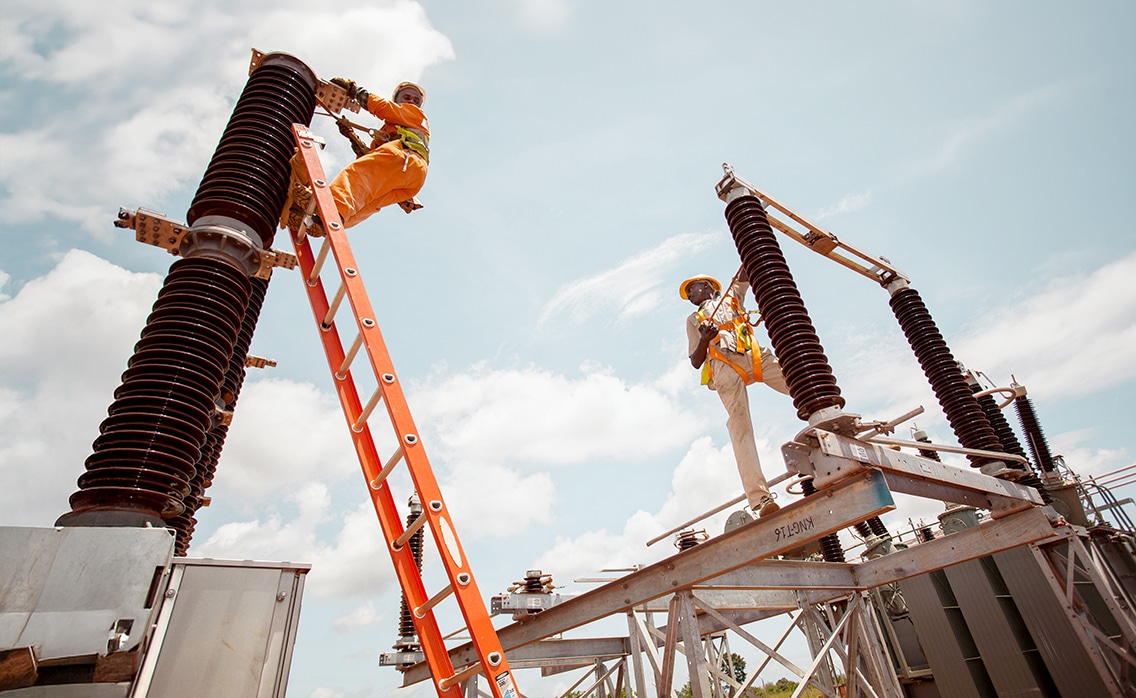
Buying shares is the easy part. Running a thermal plant is harder. Kribi burns natural gas and Dibamba burns heavy fuel oil. Both need a steady fuel supply, regular maintenance and skilled engineers. Both operate in a hot and humid coastal climate that is hard on machinery.
Daniel Biya, a renewable energy analyst, told Businessfront that ownership alone settles very little. “Running a thermal plant is not about owning turbines; it is about keeping them running,” he said.
“Globeleq understood how to manage gas supply, how to maintain engines in a humid coastal environment, and how to keep a plant available when the hydro dams are low. If that expertise leaves without a real replacement, the plants will still be there, but the power will not be.”
His last point deserves attention. Cameroon depends heavily on hydropower, and rivers run low in the dry season. Thermal plants cover the shortfall when the dams cannot.
The new Nachtigal hydropower station has added a good deal of capacity, but it does not remove the need for plants that can run on demand. A plant that fails at the wrong time can leave a city dark even when the country has enough capacity on paper.
Skills and cash are linked. Good engineers expect to be paid on time. Spare parts have to be bought before an engine fails and not after. Operators elsewhere have shown how quickly a plant deteriorates when money for maintenance runs short. If the state takes over the plants without a funded plan for fuel and repairs, it may inherit the debts and the breakdowns together.
What the rest of Africa shows
Cameroon is not alone. Across the continent state utilities struggle to pay the private firms that sell them power. Ghana has repeatedly faced warnings from independent producers about unpaid bills. Kenya has long argued over the terms of its contracts with private generators. In many countries the distributor charges households less than the electricity costs to produce, so it can never collect enough to pay its suppliers.
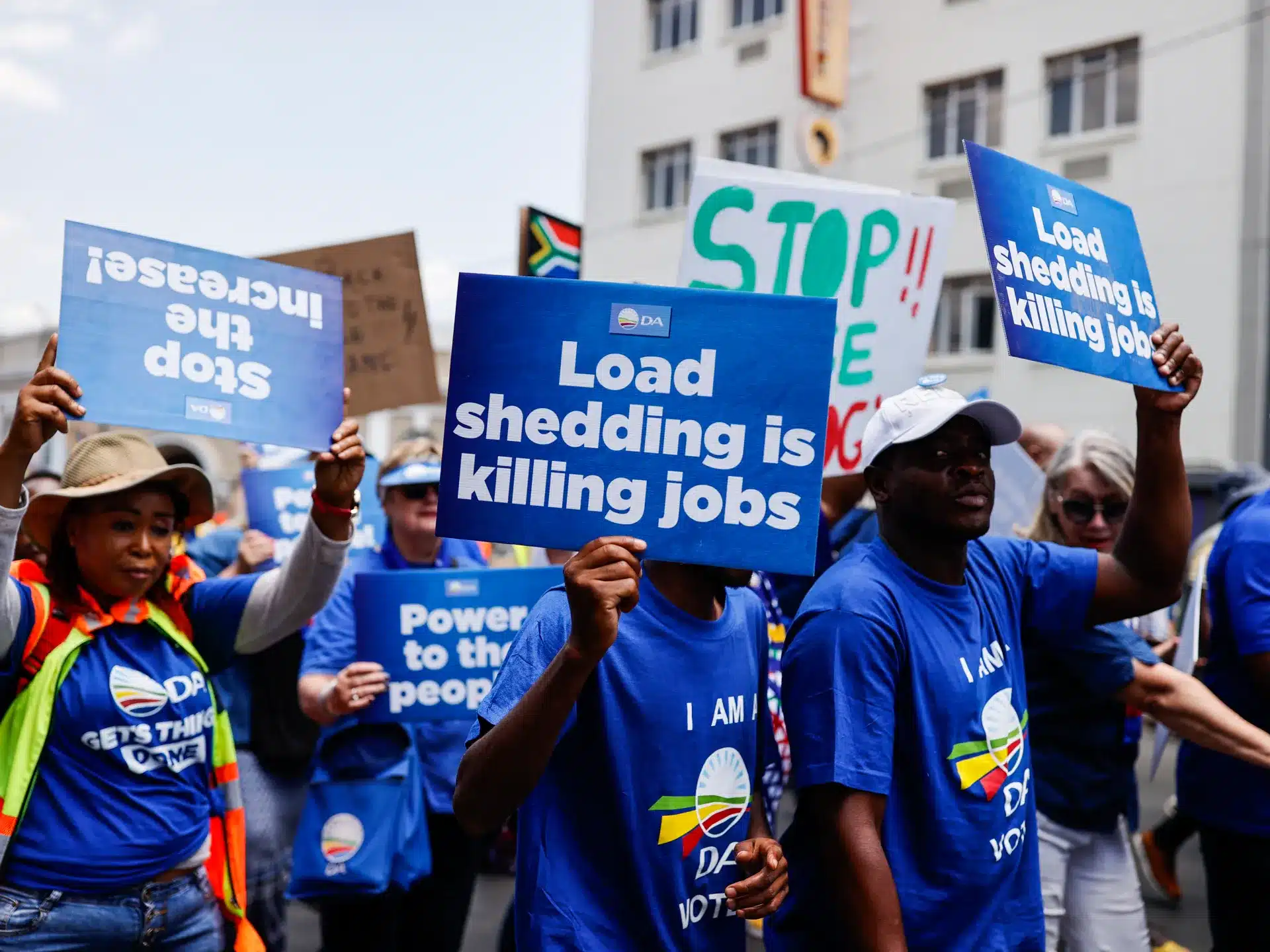
South Africa shows what happens when a state utility fails. Eskom’s ageing coal plants have broken down for years, and blackouts have hurt the economy. Businesses there responded by buying power from private solar developers and installing their own systems.
Nigeria went further down the same road. Its firms and households rely so heavily on diesel generators that their combined capacity is far larger than what the grid can deliver reliably.
Cameroon’s businesses face the same temptation. Every outage gives a factory owner in Douala a reason to buy a generator or a set of solar panels. Solar is often the better choice because it costs less to run than diesel. That suits individual firms. It also pulls the best paying customers away from the grid, and the utility is left with the poorest ones and the largest bills.
The exit of Globeleq matters for another reason. Investors who build solar farms and wind parks watch how governments treat the firms that came before them. A developer weighing a project in Cameroon will notice that two plants were switched off over payment disputes within two years.
It will also notice that the owner chose to sell. Such signals raise the price of capital for every future project, including renewable ones. Namibia has taken a different course. It has opened its market to private sellers of power and now sees its utility as a platform for trading. Others still bury private developers in paperwork.
Cameroon has a chance to show that a state owner can behave differently. That would require a payment system that works, a clear plan for fuel and maintenance, and rules that treat private investors fairly.
Without a way to fund the plants every month, the purchase of Globeleq’s stakes will change who owns them and leave the cash crunch where it was.