

Top stories
News
Top stories
While the country’s trade imbalance persisted, the scale of the deficit narrowed significantly. The 2025 shortfall marks a roughly 60% improvement compared with the $5.76 billion (CFA 3.2 trillion) gap recorded in 2024.
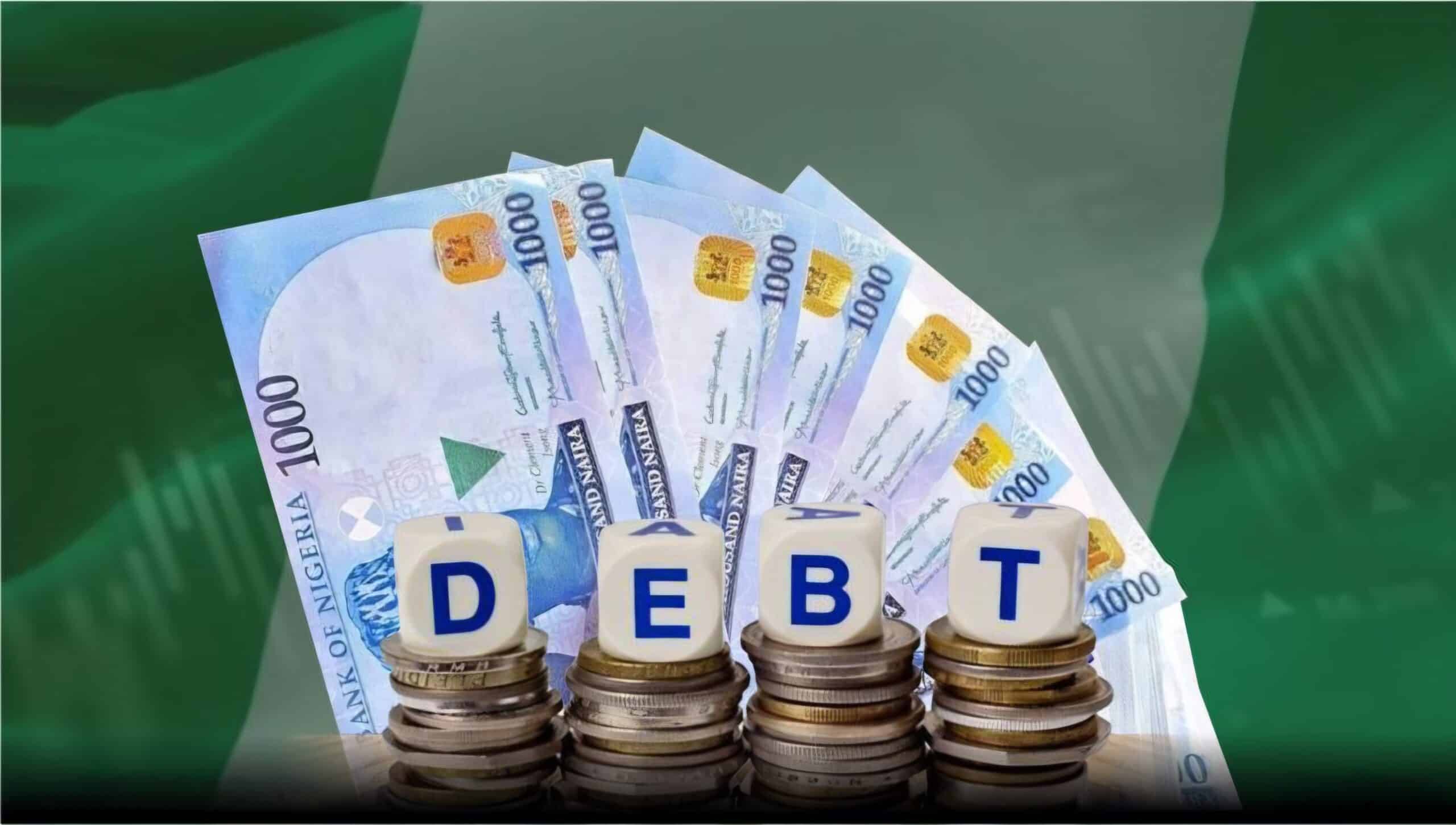
The DMO report shows that domestic loans now account for ₦81.82 trillion ($55.48 billion), or 53.37% of Nigeria’s total debt stock, slightly outpacing external obligations of ₦71.48 trillion ($48.46 billion) or 46.63%.
Bank of Zambia records show the minimum paid-up capital requirement was first introduced in January 2012, giving the British bank a 14-year window to reach compliance.
The latest adjustment represents the largest single hike since August 2023 and brings cumulative tightening to 75 basis points since the bank adopted a more hawkish stance in September 2025.

The IPO involves the sale of 11.81 billion ordinary shares at KSh 9 per share, representing a 65% stake in the pipeline operator. The government aims to raise KSh 106.3 billion, equivalent to roughly $825 million, while retaining a strategic minority stake of 35%.
The historic transaction attracted bids exceeding $619 million from more than 30 institutional investors, underscoring strong demand for instruments designed to shield banks and taxpayers during periods of financial stress.
The total package is split in two: a $61 million disbursement under the Extended Credit Facility, alongside a $30 million commitment from the Resilience and Sustainability Facility, which supports investments aimed at strengthening climate resilience in Niger.
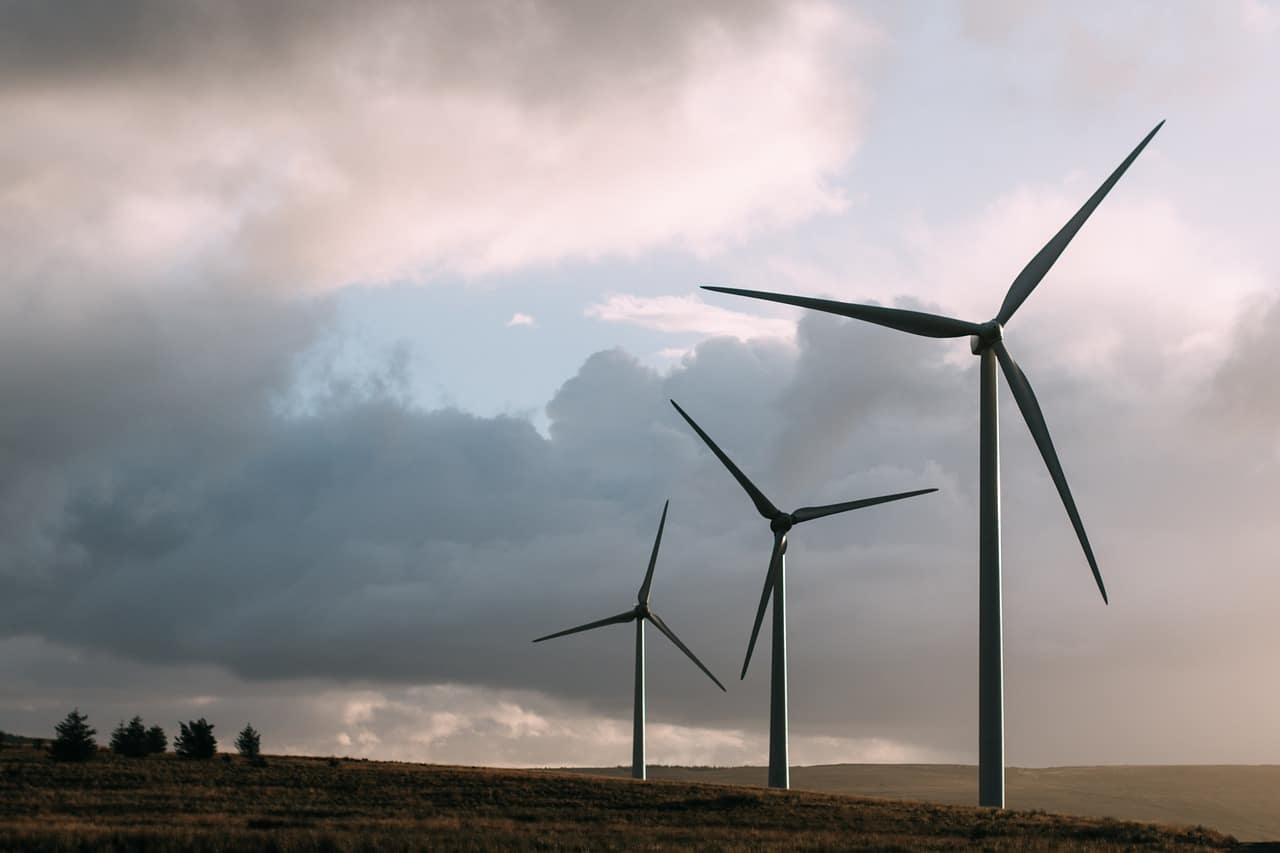
International Finance Corporation (IFC) has signed a $150 million financing agreement with Banque Misr to expand green lending and support micro, small and medium enterprises (MSMEs) in Egypt.
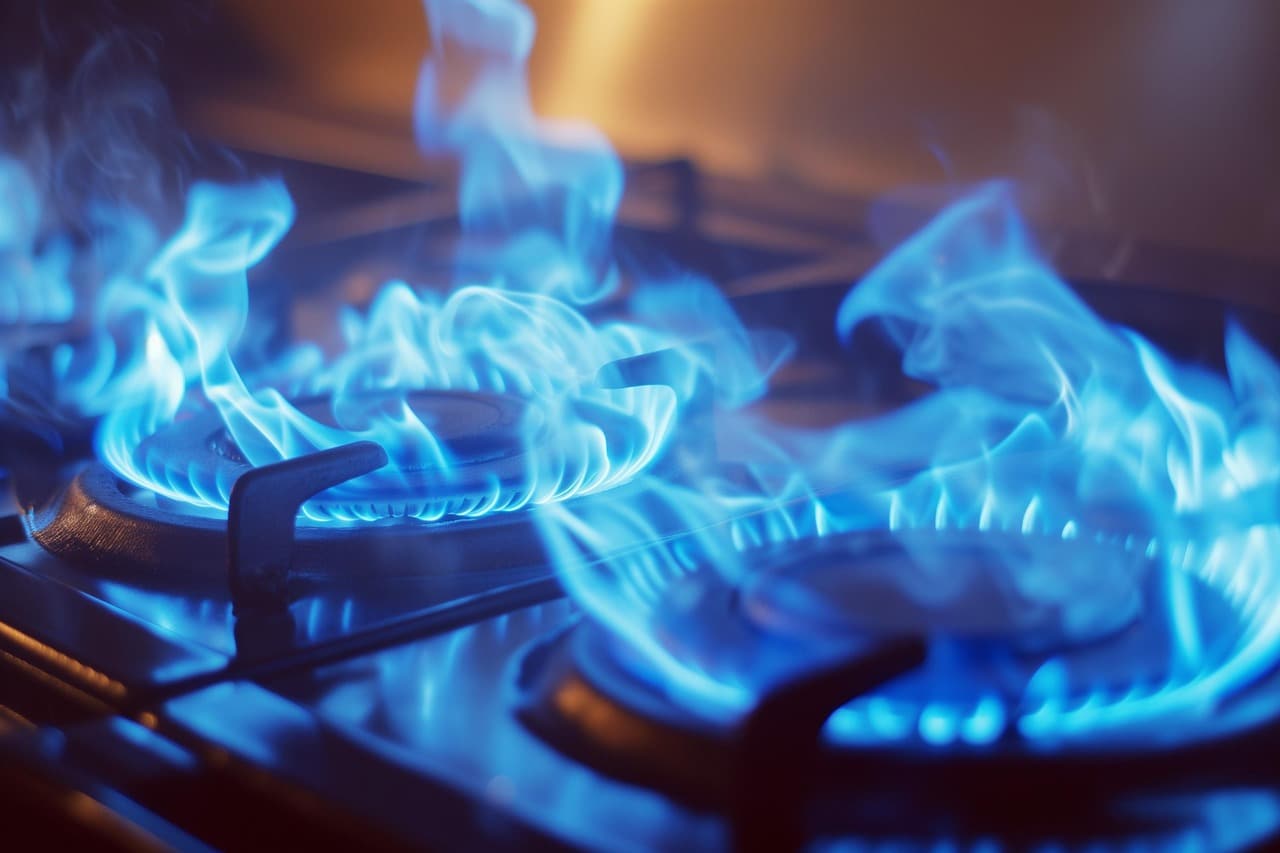
The Government of the United Republic of Tanzania has launched Phase One of its $9.95 million (TZS 25.8 billion) clean cooking programme targeting 453 public institutions nationwide.
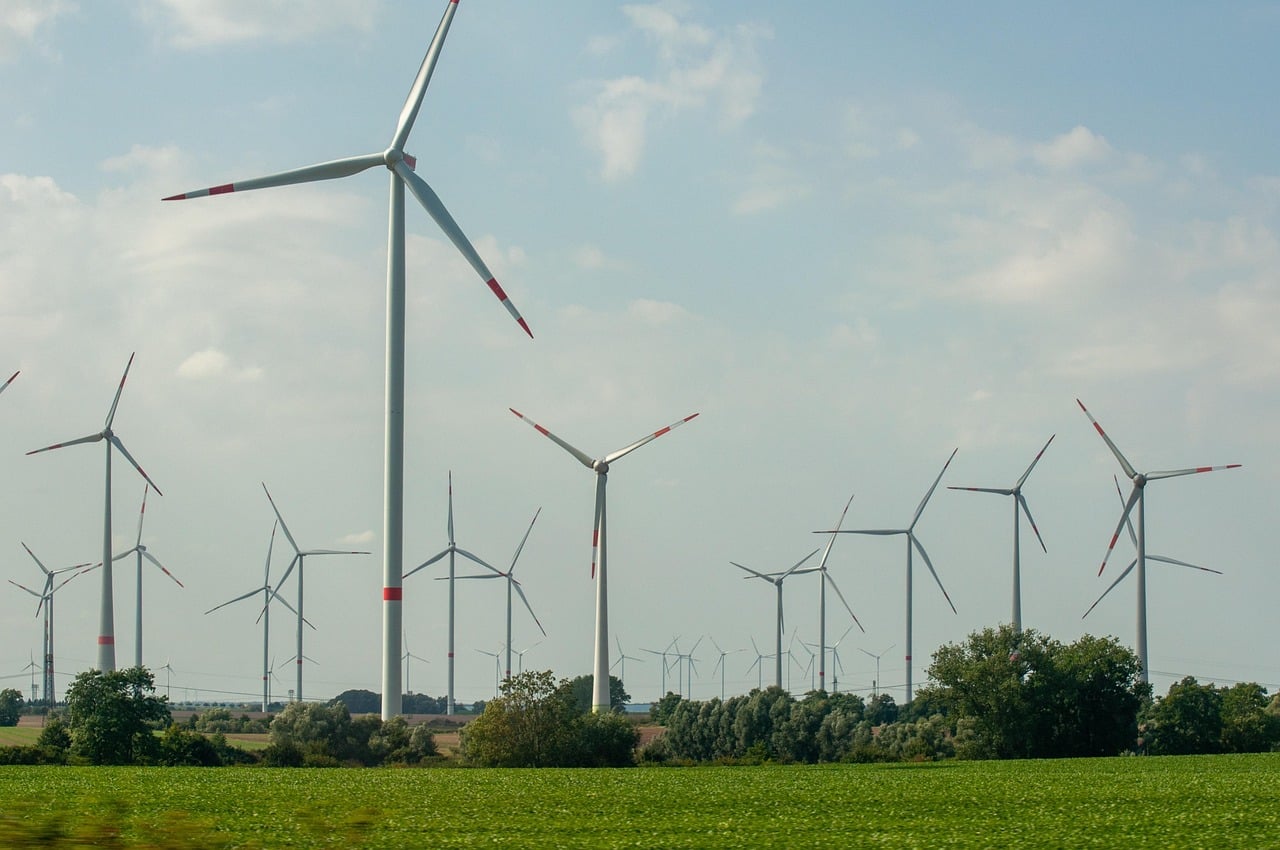
The United Arab Emirates (UAE) has announced a $4.5 billion commitment to finance more than 60 clean energy projects across Africa.
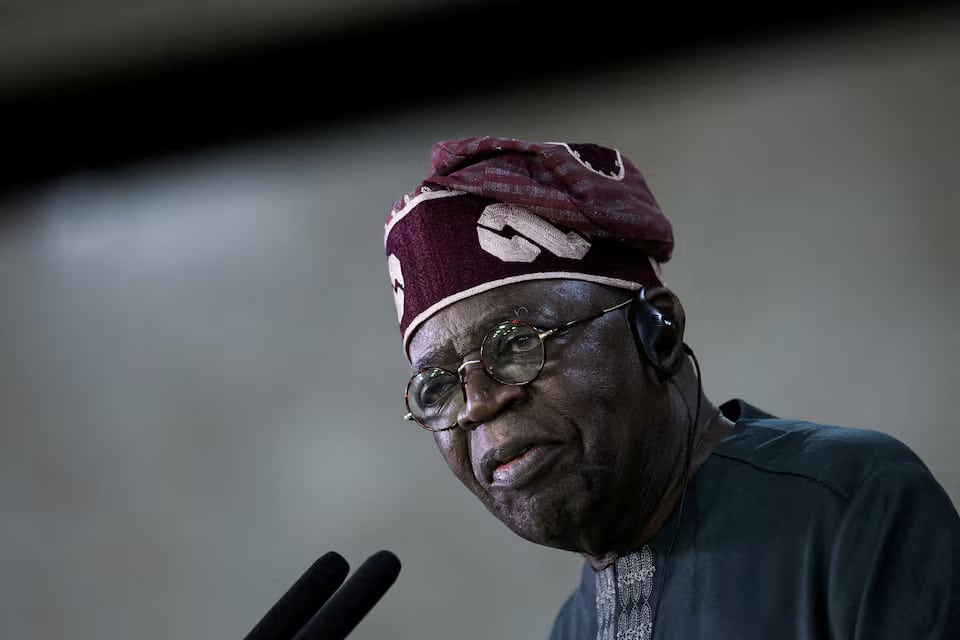
Nigeria, has stopped its state-owned oil firm, NNPC Limited, from collecting and retaining oil and gas revenues, directing that all proceeds be paid into the federation account.
After the fourth review of Burkina Faso’s Extended Credit Facility (ECF) Arrangement, IMF made a disbursement of about US$33 million. Approved (RSF) arrangement of about US$124.3 million.
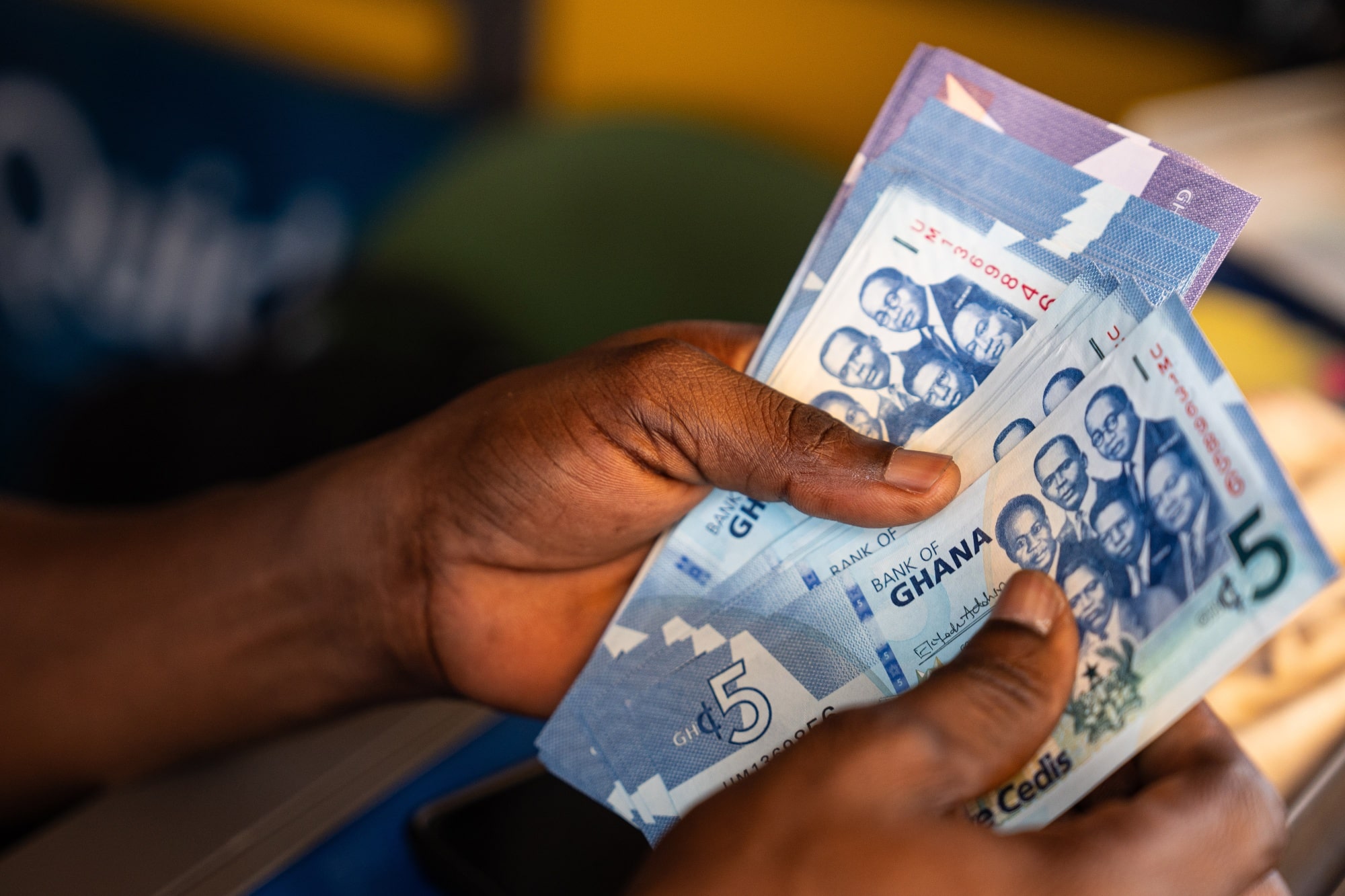
Ghana announced the successful distribution of $ 909 million interest payment to DDEP bond holders. The move is expected to renew investor confidence in Ghana’s fiscal capacity as the country prepares to re-enter the domestic bond market.
Although South African consumers saw a slight reprieve in January as the annual inflation rate edged down to 3.5%, Inflation has slowed less than expected leading to speculation among traders that the Central Bank might not resume interest rate cutting by March 2026.
The widely expected move mirrors recent developments in South Africa, where monetary policy decisions continue to shape Namibia’s outlook.
Senegal secures funding to repay $485m Eurobond dues, sparking a bond rally but raising concerns over rising short-term borrowing risks.
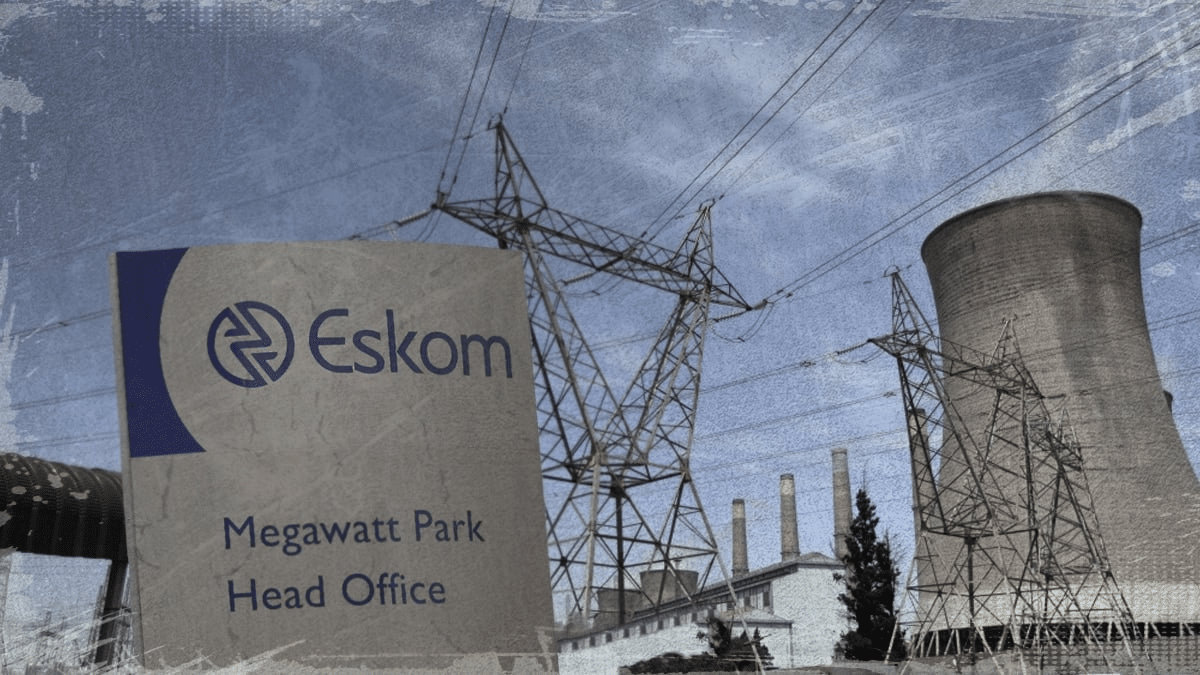
Electricity traders in South Africa have called on the government to publish a clear timeline and define the final structure for the separation of the transmission business from Eskom.
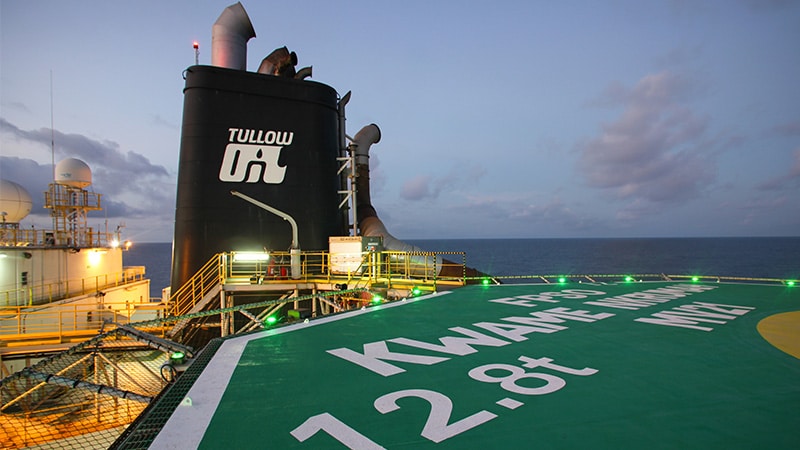
Kenya is seeking KSh 23.1 billion ($179 million) in taxes from Tullow Oil following a dispute over the company’s exit from the country’s upstream sector.
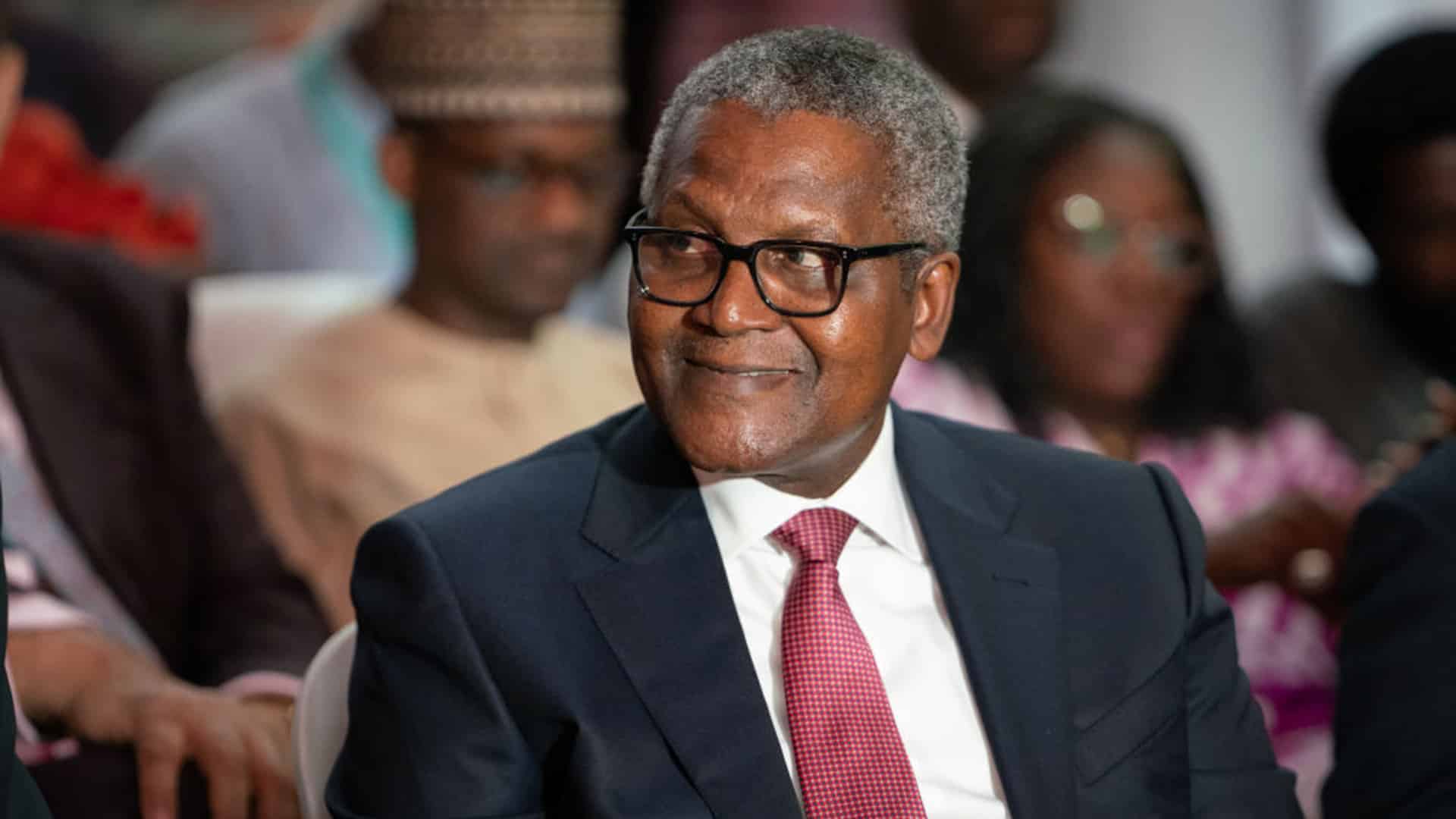
Dangote has sealed a $400 million equipment agreement with China’s Xuzhou Construction Machinery Group to accelerate expansion of its oil refinery towards a planned 1.4 million barrels per day (bdp).
The updated demographic data places GDP per capita at about $1,207 in 2023 and roughly $1,281 in 2024. In 2025, sustained economic growth, estimated at 6%, and a gradual easing in population growth pushed the indicator beyond $1,300.
