

Top stories
Insights
Top stories
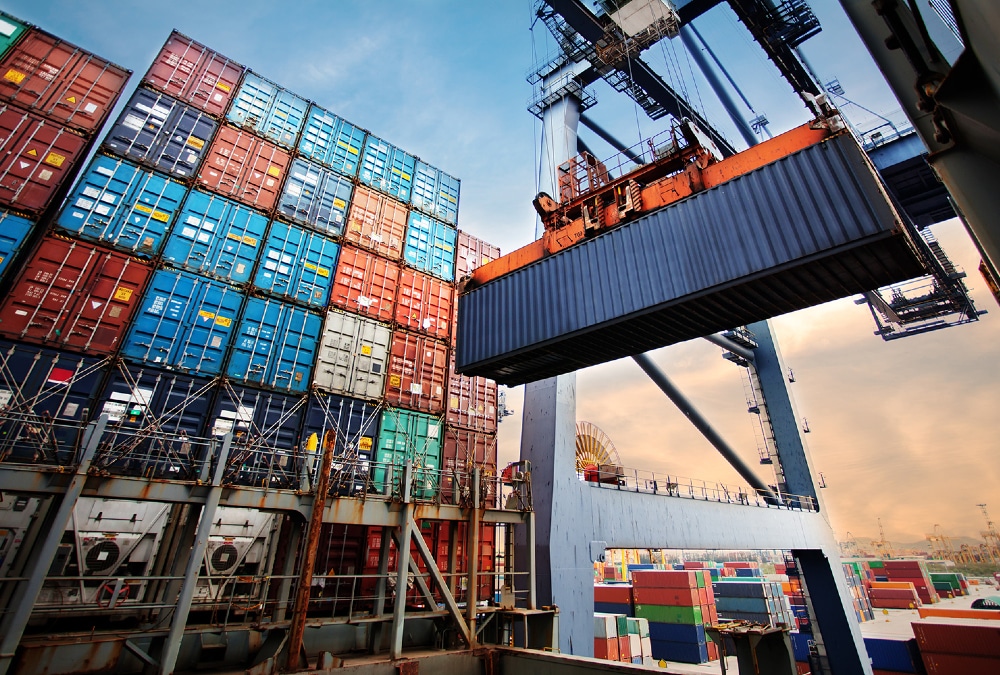
In the first six months of 2025, Nigeria’s trade with African countries totalled $3.13bn (₦4.82trn). While this marks an improvement from the pandemic slump — $2.86bn (₦963.62bn) in H1 2020 and $2.47bn (₦963.64bn) in H1 2021 — it is still 30.6% below H1 2019 levels.
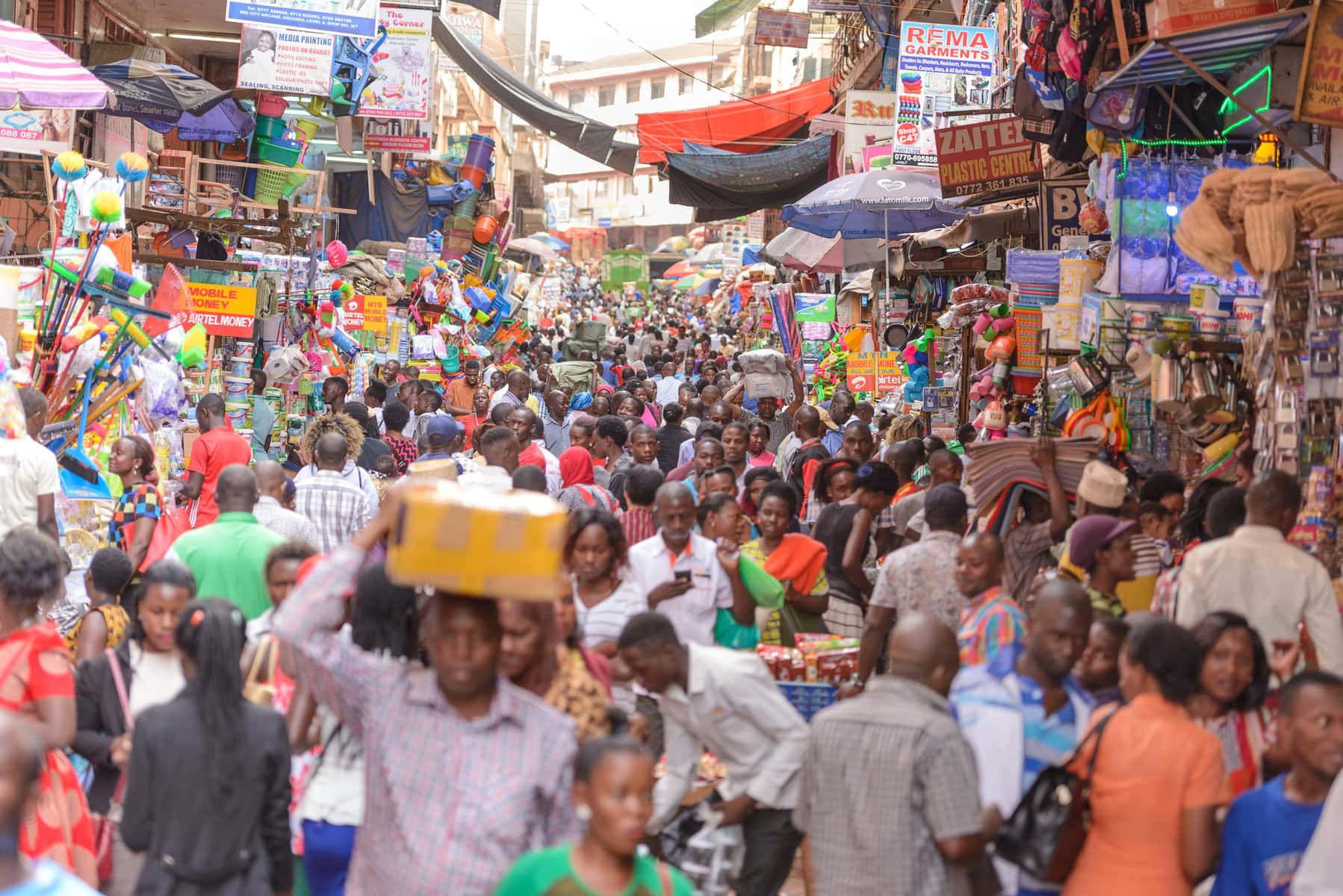
While four markets — Uganda, Nigeria, Zambia, and Kenya — recorded growth, others, such as Ghana, Egypt, Mozambique, and South Africa, either stagnated or contracted under inflationary and structural pressures.
Banks from Ethiopia recorded the most representation among Africa’s top 10 biggest risers in 2025, as the ongoing deregulation of the banking industry and increased competition within the financial services sector boosted their rankings.

In the first eight months of 2025, Nigeria witnessed impressive oil and gas revenues of N10.737 trillion ($7.36 billion). In this article, we take a closer look at the five leading contributors that have boosted Nigeria’s oil revenues
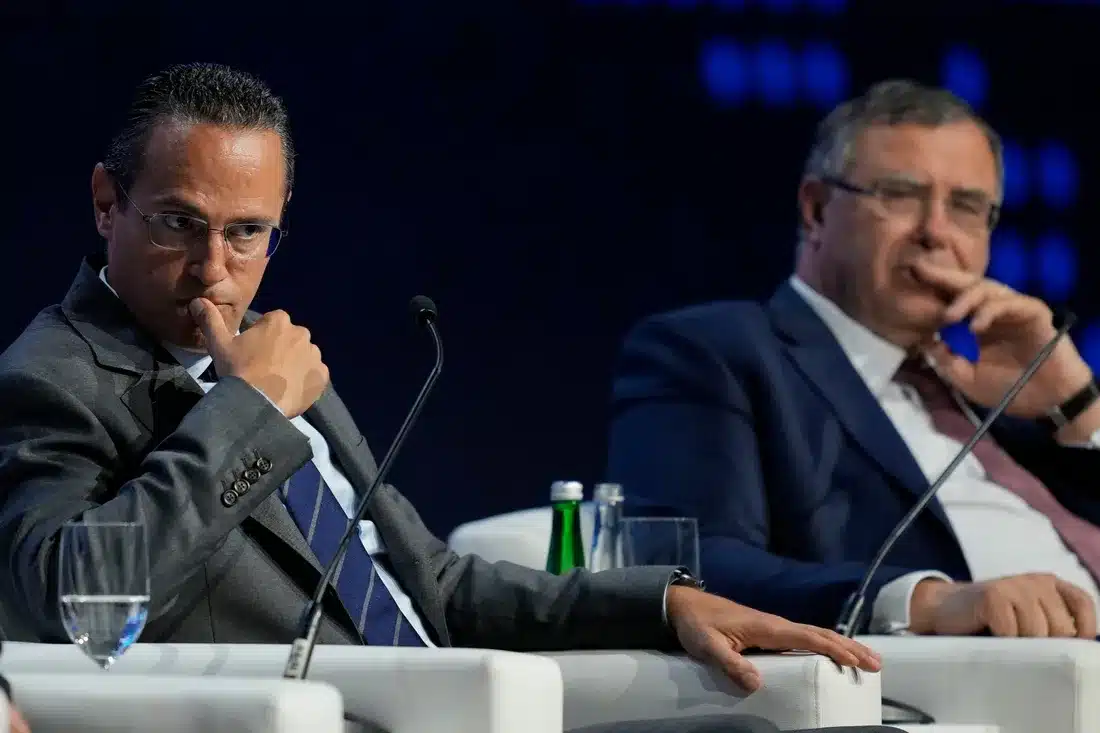
Oil majors Shell Plc and TotalEnergies have faced repeated opposition from environmental groups in South Africa. Still, the supermajors appear committed to the long game, viewing the country as a potential regional hub for their broader projects across the continent.
GTCO’s challenges mirror broader macroeconomic trends across Africa, where high inflation, rising interest rates, and currency volatility have eroded bank margins and dampened consumer spending.
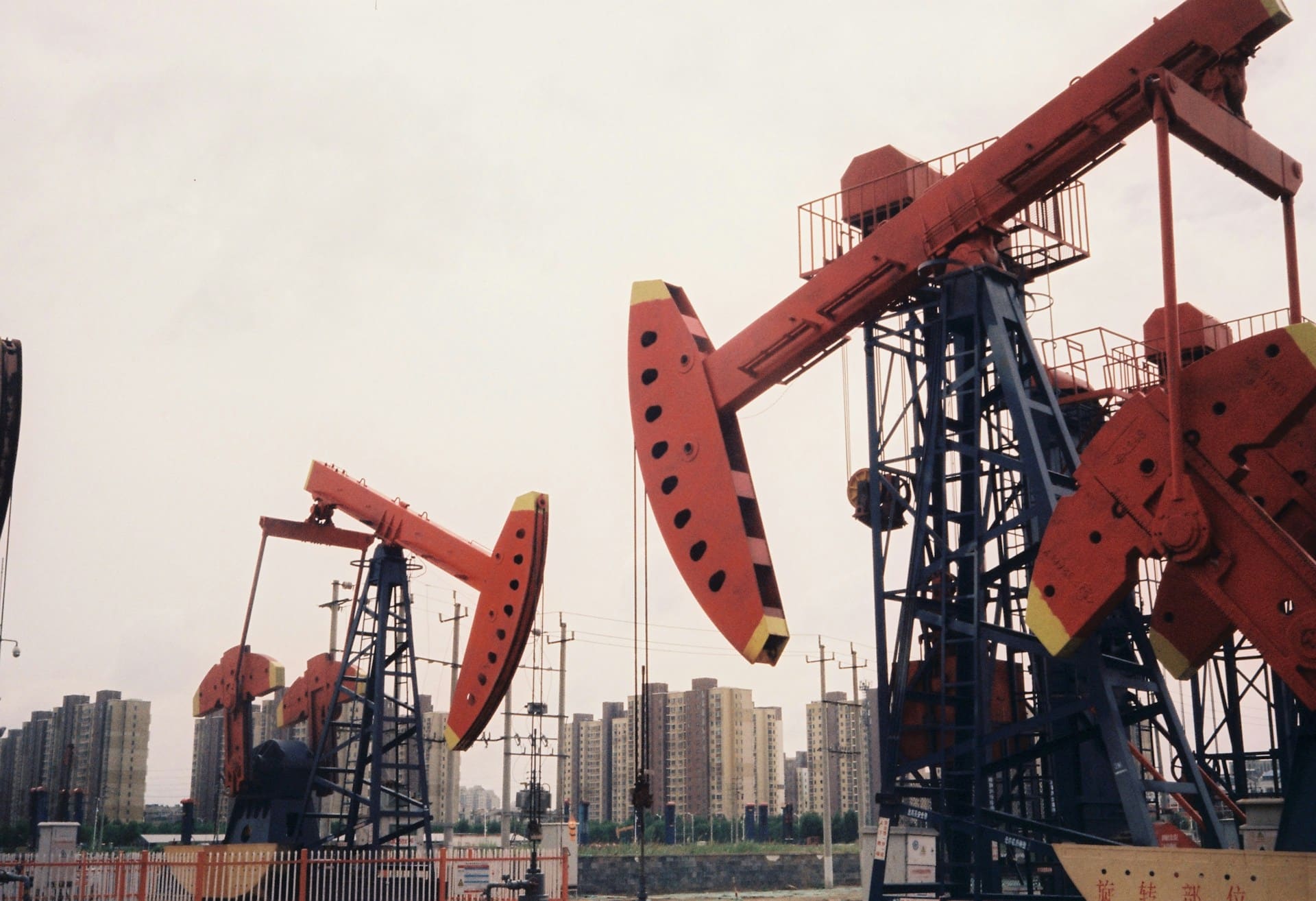
Nigeria, a long-standing member of OPEC, has recently recorded a steady rise in oil production. Although its quota from the group remains modest, the West African nation may soon need to push for a higher output limit.
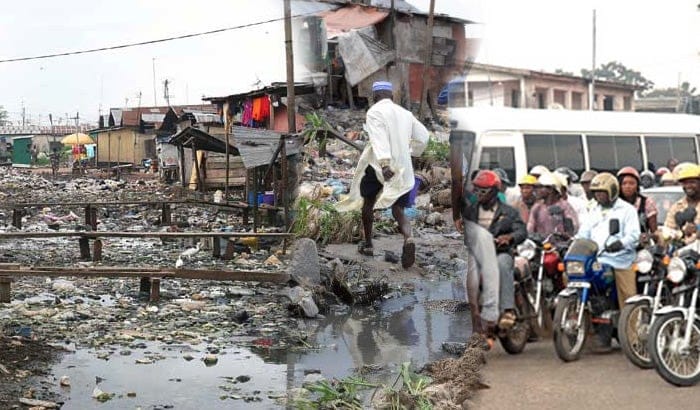
Nigeria’s long-running struggle with mass poverty could ease slightly in 2027—the next election year—marking the first improvement in nearly a decade, according to the World Bank.

Senegal’s push into oil and gas reflects a familiar paradox across Africa: abundant crude resources but little to no refining capacity. The newcomer to the oil scene has yet to process its own crude.
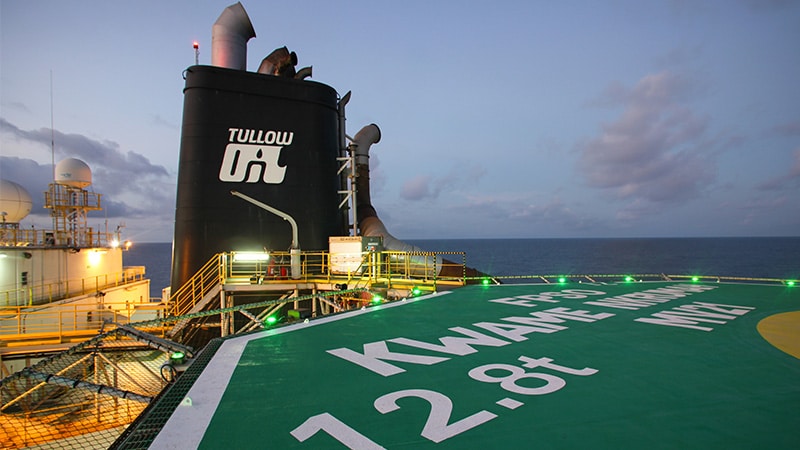
Ghana’s government received $148.7 million in corporate income taxes (CIT) from upstream oil and gas companies in the first half of 2025, a steep 59% decline compared to the $358.8 million collected during the same period in 2024.
The sharp drop underscores the growing strain on a region already battling limited fiscal space, rising debt, and slowing economic momentum.

Businessfront Over 50 honours Nigerian companies that have sustained excellence for 50+ years, showcasing stewardship, governance, and lasting economic impact.
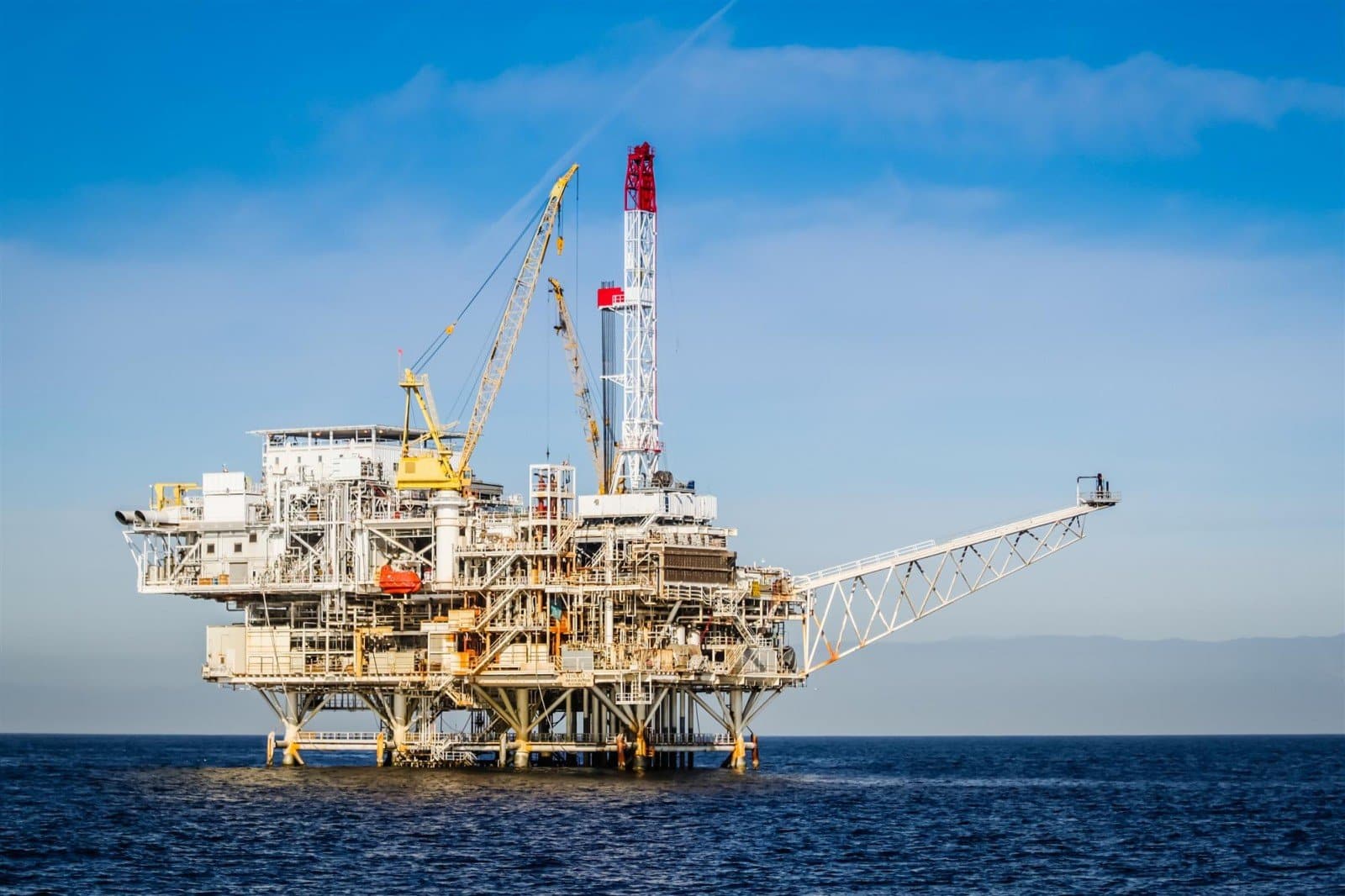
Nigeria’s post-PIA era has been marked by a wave of divestments, with IOCs offloading onshore assets to local independents. The regulation has also spurred greater participation by indigenous firms in oil and gas investments.
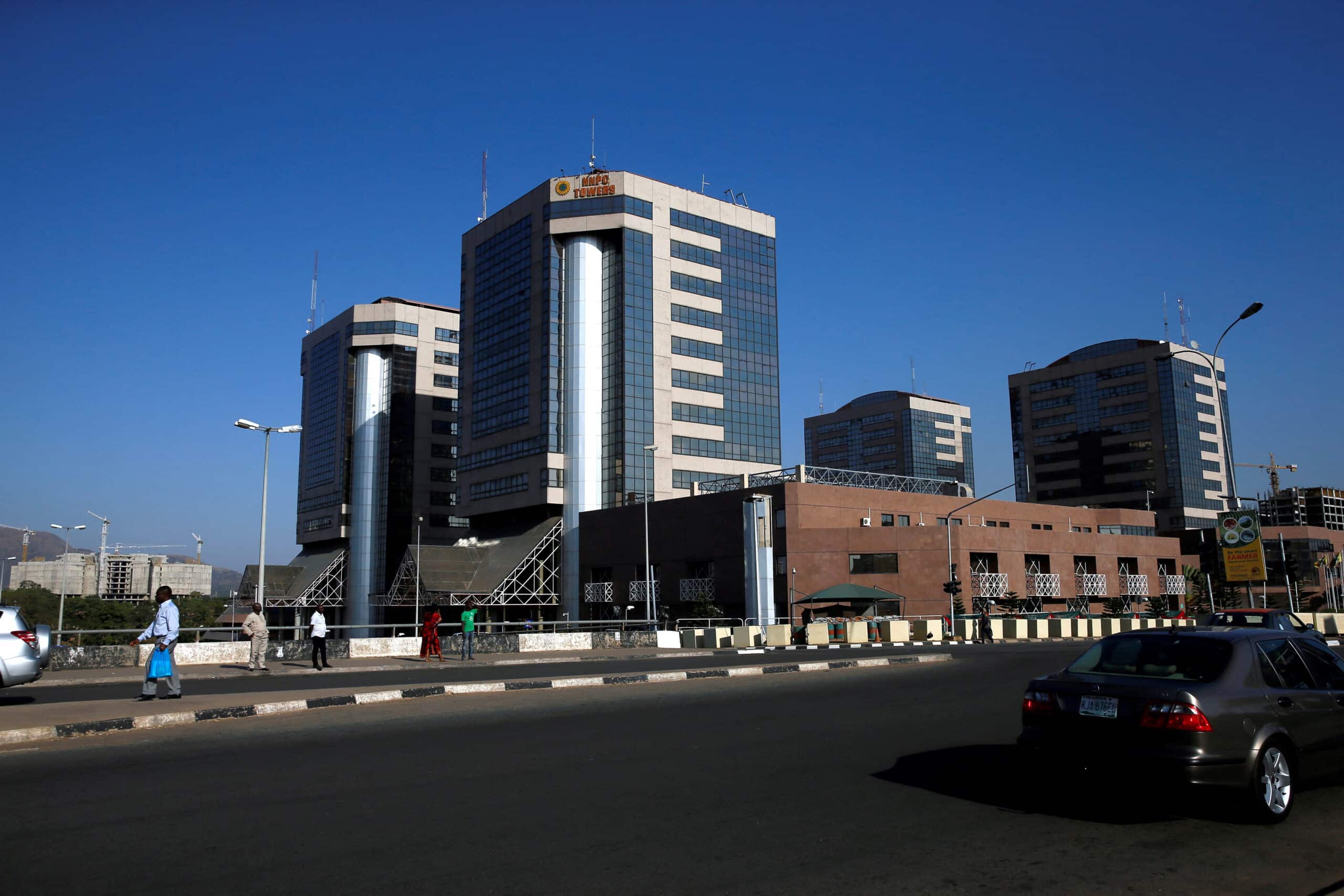
Nigeria’s state-owned oil company, NNPCL, disbursed N424 billion ($283 million) to the federation account as part of its production sharing agreement obligations, amid rising oil revenue collections.

Moniepoint’s UK expansion lays bare the real cost of global ambition for African payment firms — from million-pound compliance spend to the regulatory discipline global scale deman
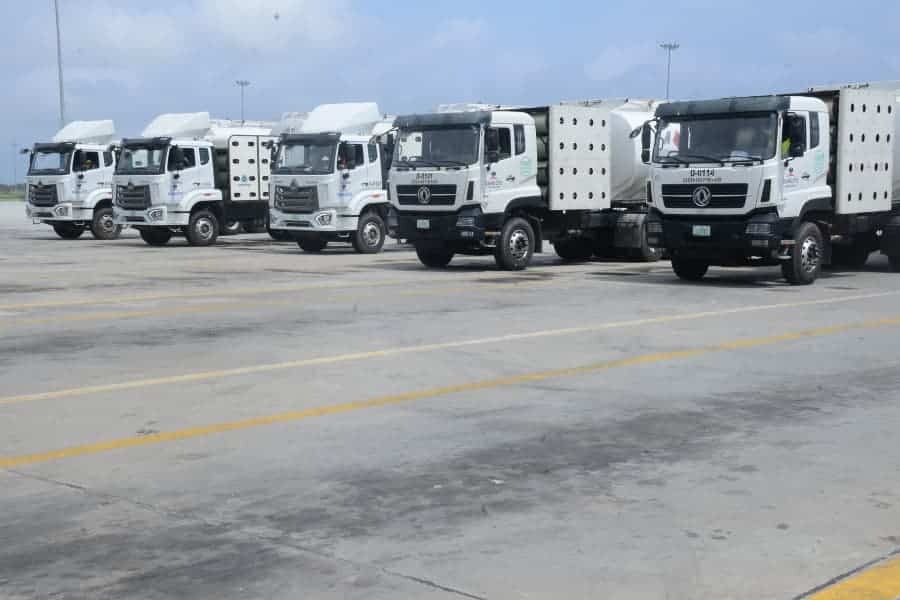
Dangote’s plan to import 4,000 CNG trucks aims to ease petroleum product distribution, but it also raises concerns about the country’s fragile and congested road network.
Africa is often celebrated as one of the world’s most dynamic fintech frontiers. Yet despite this remarkable dynamism, Africa remains a marginal player in the global fintech market.

Foreign direct investment (FDI) in sub-Saharan Africa hit $70 billion between 2022 and 2025, with the energy sector leading the growth, a new McKinsey Global Institute report shows.
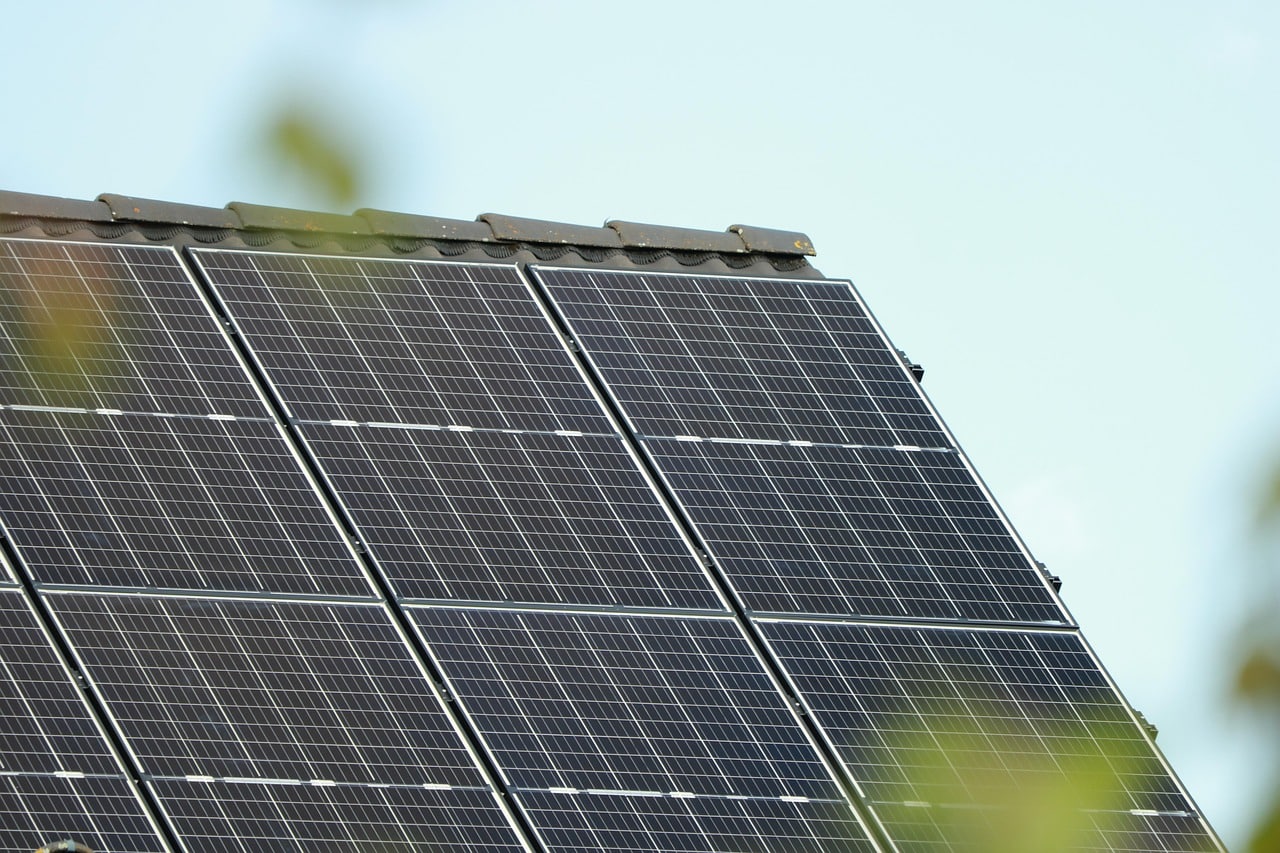
A $3.2 million solar project in Africa’s most populous nation is drawing global attention, spurring more than $7.8 billion in investments. Nigeria’s approach is now seen as a model for other emerging renewable markets across the continent.
Africa’s trade finance shortfall won’t be fixed by banks alone — embedded finance and digital liquidity platforms hold the key to inclusive, cross-border trade growth.
