

Top stories
Insights
Top stories
Access Holdings Plc, Nigeria’s biggest banking group by assets, will pay $109.6m (₦179.1bn) to complete the acquisition of National Bank of Kenya (NBK) from KCB Group Plc, according to its latest financial report.

Access Holdings reported a 23.3% decline in after tax profit to ₦215.9bn ($139.1m) in the first half of 2025, from ₦281.3bn ($187.2m) a year earlier, according to its half-year financial statement released on Friday.
Nigeria, South Africa, Mozambique and Burkina Faso have exited the FATF grey list, marking a breakthrough for Africa’s financial credibility and a reset in the continent’s risk premium.
Angola, one of Africa’s biggest hydrocarbons producers, generated $6.29 billion from crude oil exports in the third quarter of 2025, selling 90.95 million barrels at an average price of $69.16 per barrel.
The removal of petrol subsidy in Nigeria reflects a deep sense of broken trust and the end of an unspoken agreement between citizens and their government. Without subsidy, Nigerians no longer have a say in how much they pay for fuel.
Of the $382.3bn disbursed across the economy, oil took 35.7% — more than the combined allocations to five key non-oil sectors, according to data from the central bank

After one year of production, Senegal’s oil revenue has been promising. However, the increasing volatile markets and other internal factors now pose a threat to the West African’s petrodollar, a new report shows
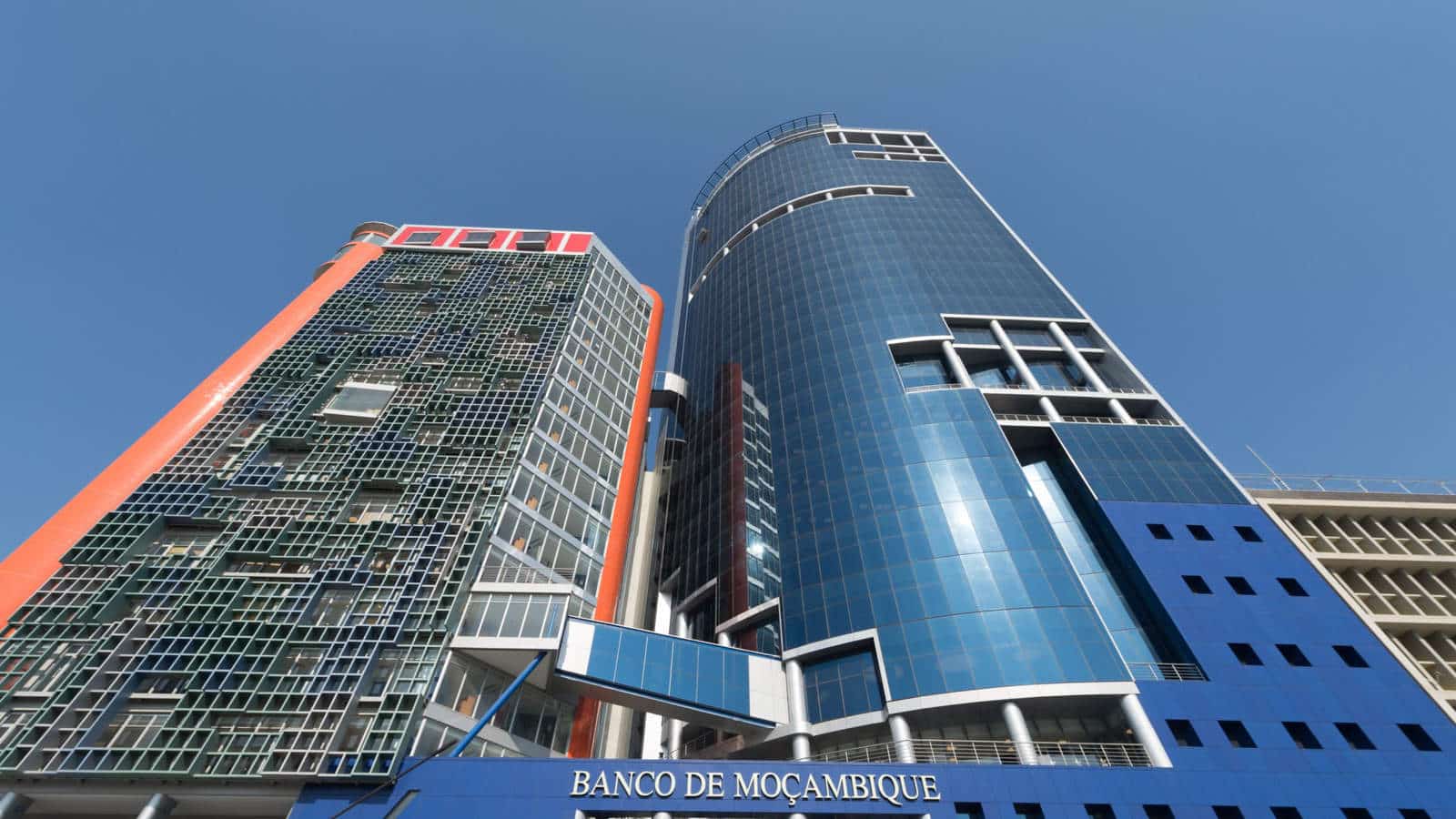
Figures from the Bank of Mozambique show reserves rose by 1.25% month-on-month from $3.99bn in July, covering more than three months of estimated import needs for goods and services.
Across the continent, currency weakness has continued to shape inflation dynamics, import costs, and investor sentiment. For instance, a weaker naira increases import bills and inflationary pressures while signaling economic fragility and lower investor confidence.

The National Pension Commission (PenCom) in September announced that the new regulation applies to Nigerians living and working abroad, as well as employees of foreign companies and international organisations in Nigeria not covered by the Pension Reform Act (PRA) of 2014.
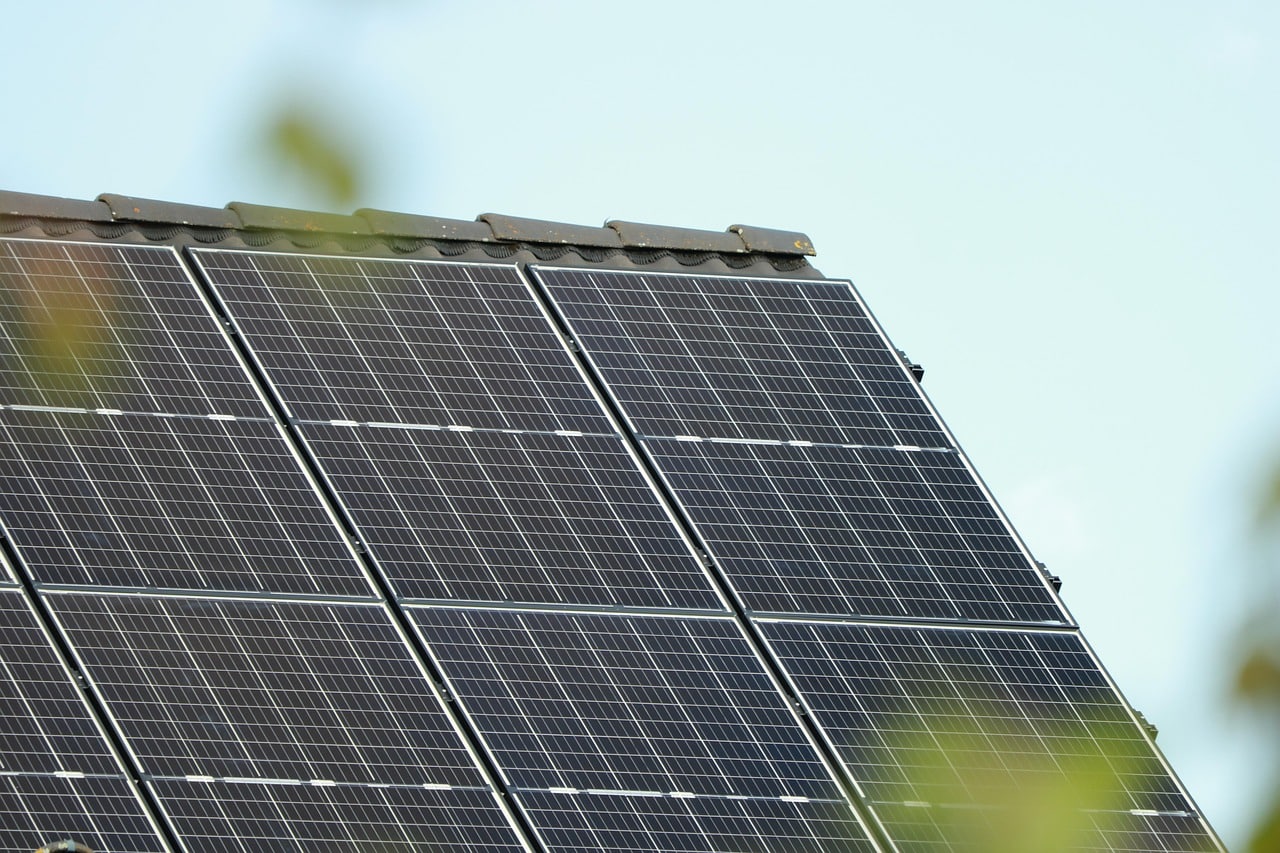
The rise of solar manufacturing in Nigeria — what the first solar panel export to Ghana really means
Nigeria has reached a new achievement in its clean energy journey as the country begins exporting locally manufactured solar panels to Ghana.
The average cost of preparing a pot of jollof rice for a Ghanaian family of five rose in September 2025, despite the country being among Africa’s five strongest currencies that month, according to a new jollof Index.
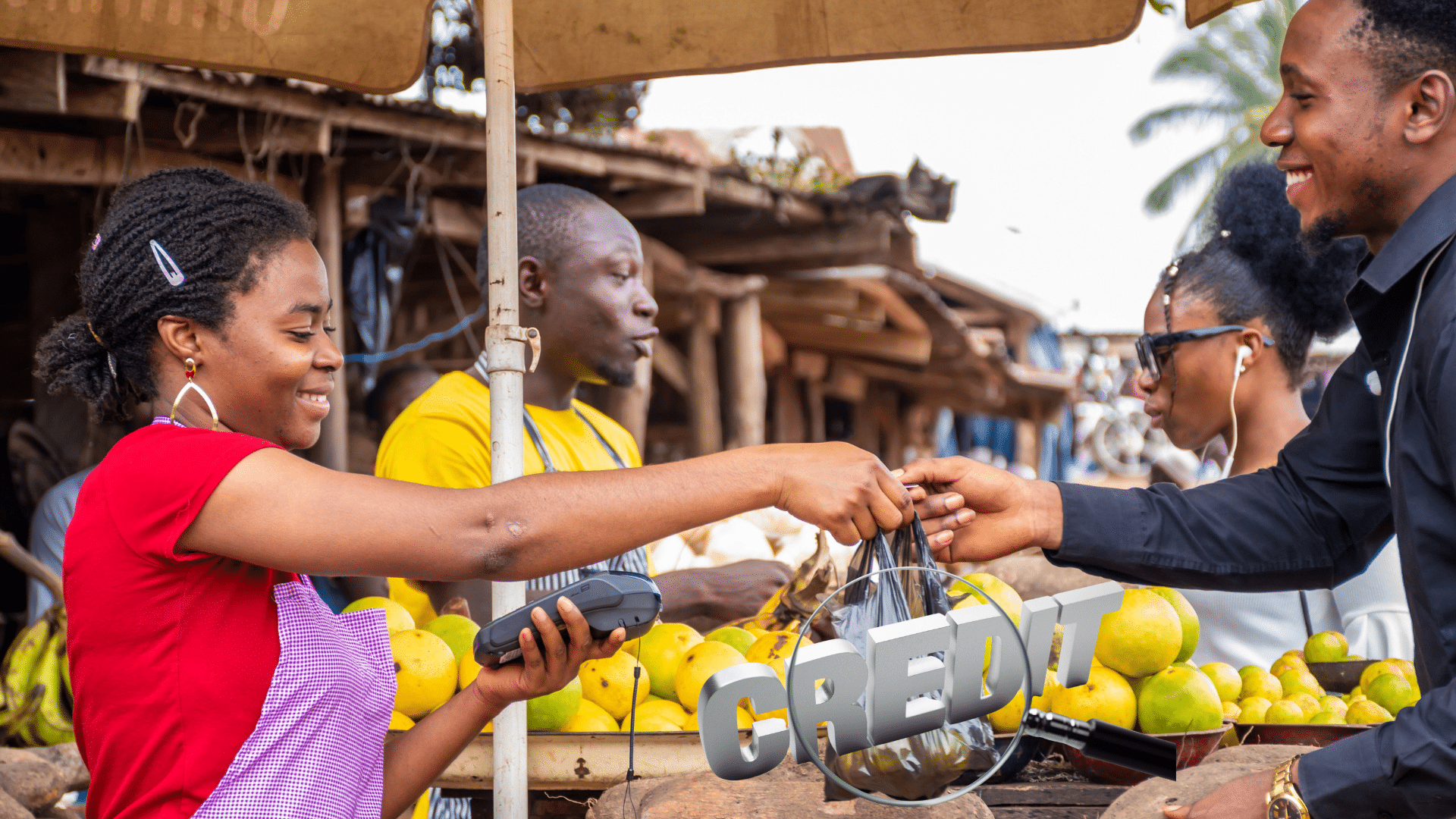
Cash-based merchants are driving digital transfers, but there’s an opportunity to drive credit. The tell tale signs are there.
Following a tough start to 2025, investor sentiment toward Kenya’s banking sector has turned sharply positive, with analysts projecting a strong second half driven by improving credit growth, stabilising net interest margins, and resilient capital positions.
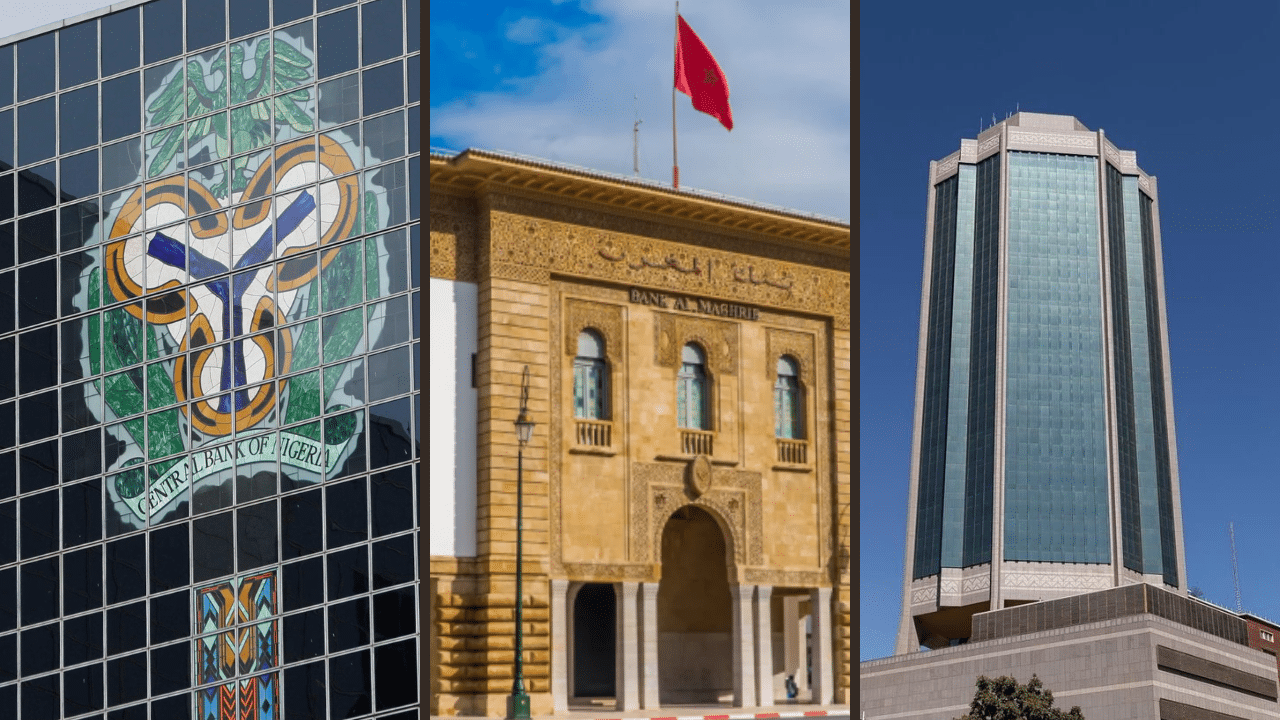
Inflation, currency volatility, and debt stress continue to shape Africa’s monetary path in 2025, prompting tighter policies in fragile economies and gradual easing where stability has improved.
Despite the headline-making buyout, Stears data shows that smaller deals dominated activity, signaling deepening investor appetite for mid-tier and early-stage opportunities.
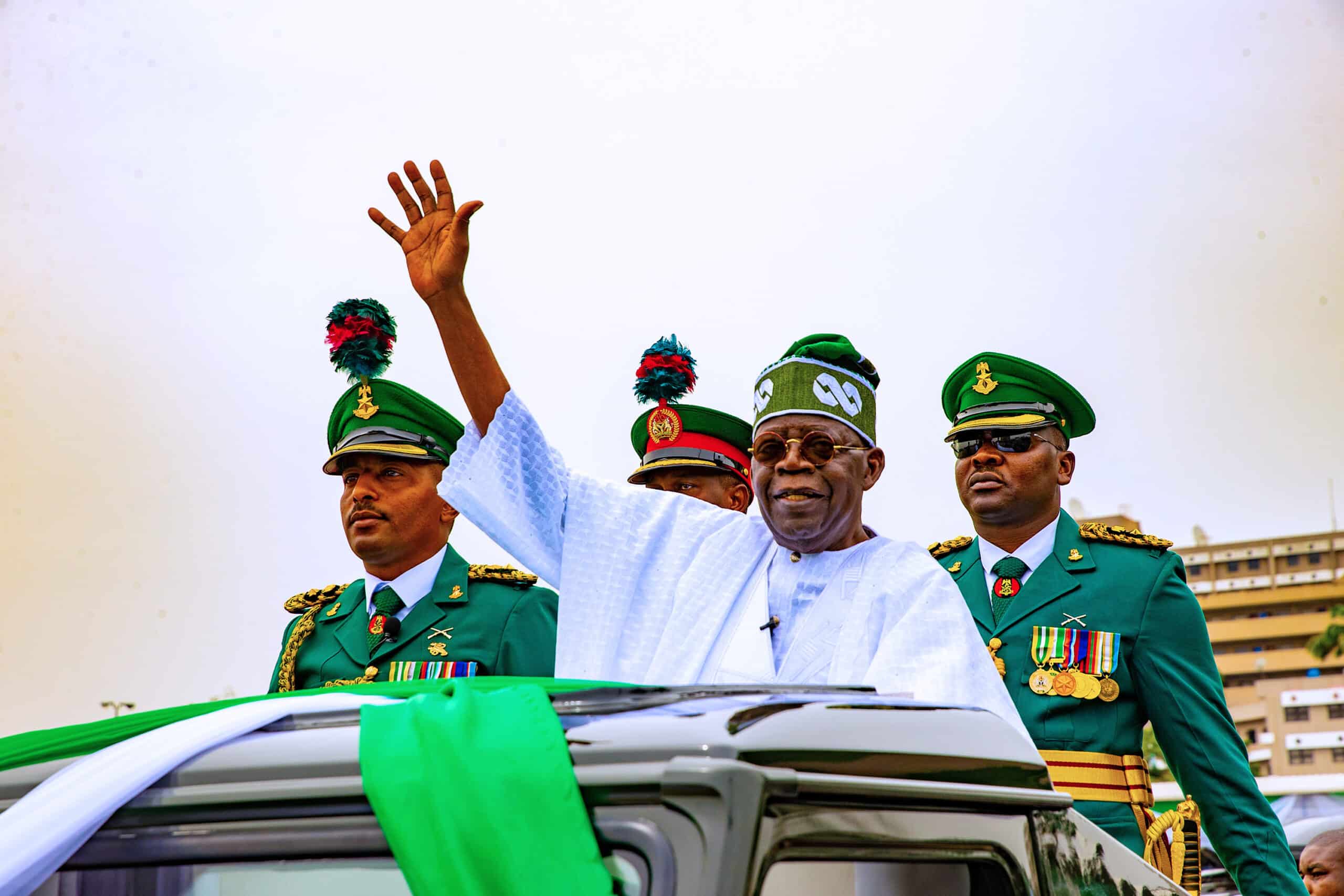
Nigeria’s electricity debt has surged dramatically over the years, plunging the sector into crisis. Now, the government is introducing a refinancing plan aimed at addressing the mounting debt. This story unpacks the details of that plan.
The shift in market sentiment comes as yields on government securities continue to fall, narrowing the risk premium between fixed income and equities.
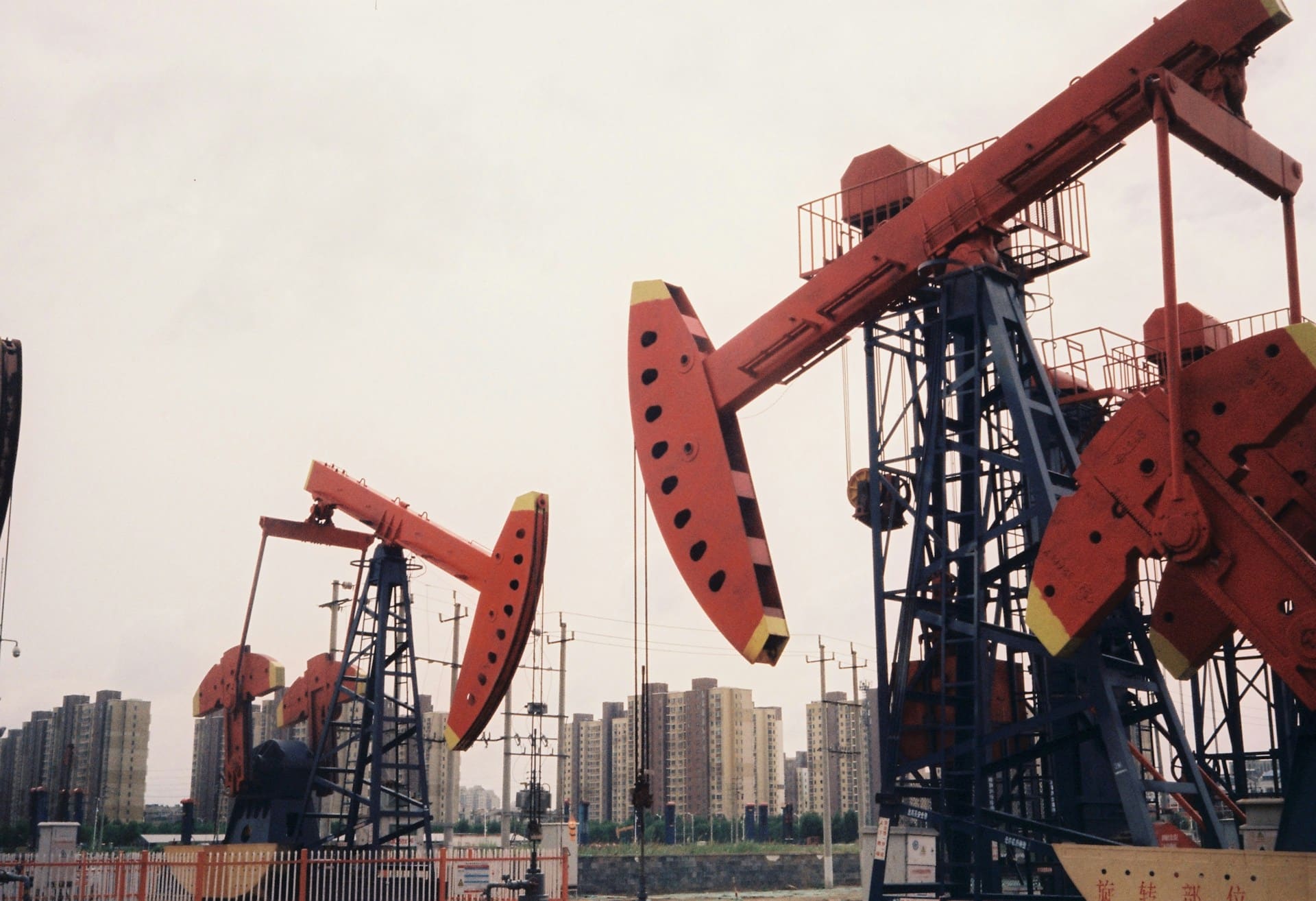
African producers in the Organization of the Petroleum Exporting Countries (OPEC) witnessed stable oil production output in the third quarter (Q3) of 2025.
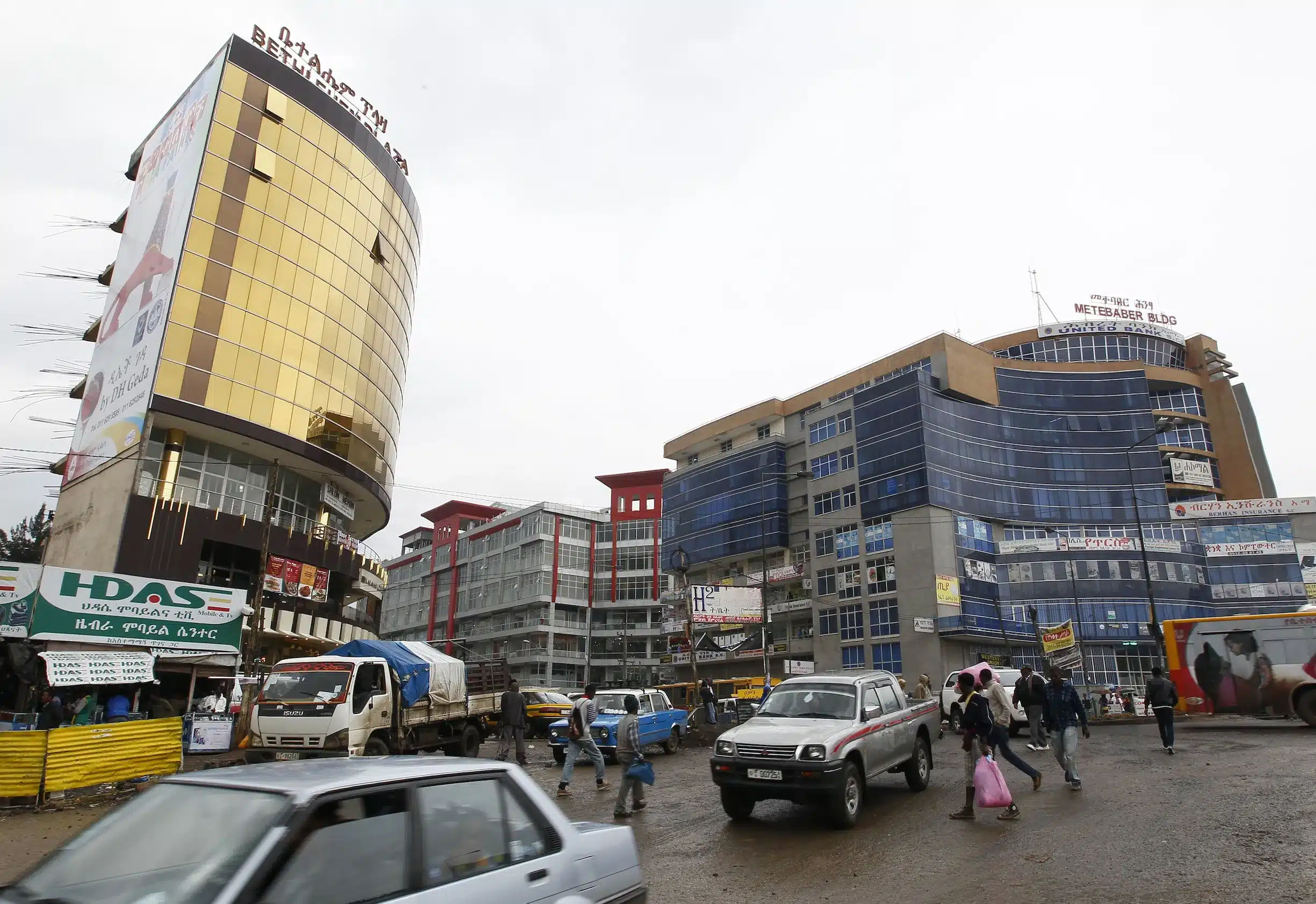
Five of the seven economies surveyed saw their currencies strengthen in the first nine months of 2025, reflecting softer dollar prices, improved access to external funding and tight monetary policy.
